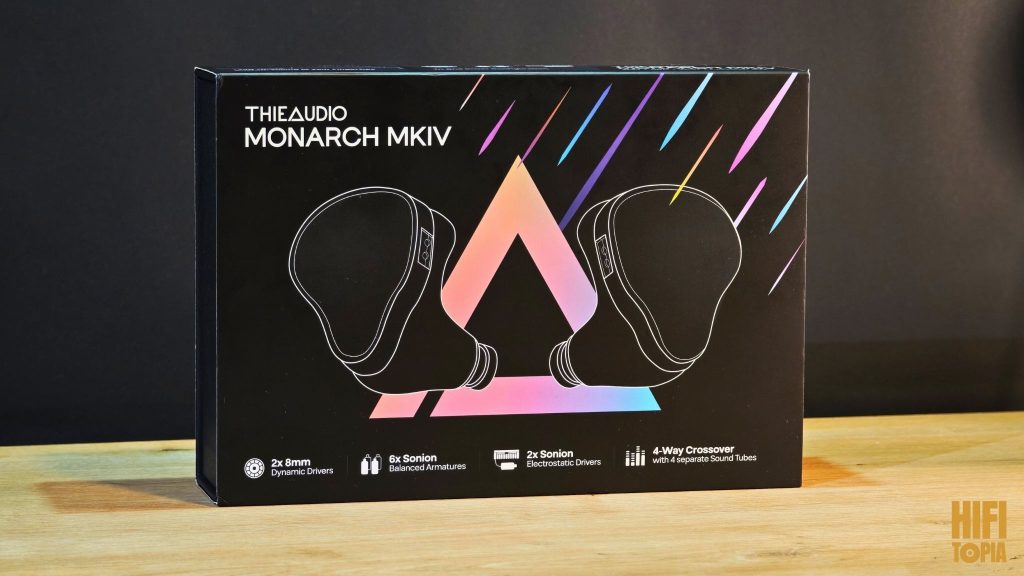
**Crossover: 4-way crossover with 4 sound tubes+2 ultra-high frequency drivers+4 high frequency drivers+2 mid frequency drivers+2 low frequency drivers
**Frequency Response: 10Hz – 44kHz
**Impedance: 10/9 ohms (±1 ohm) @1kHz
**Sensitivity: 100dB ±1dB @1kHz
**Total Harmonic Distortion (THD): <1% @1kHz
Total Score
Introduction
MERRY CHRISTMAS! Dear Hifitopia followers, I hope the new year will be a wonderful audiophile year for you. As we set sail for new horizons, I hope the year we left behind was productive and good for all of you. May the new year bring peace and success to us all.
Today, we’re reviewing that one product many of you have been eagerly awaiting, flooding my inbox and the official Hifitopia Instagram account with messages. Here it is: this year’s highly anticipated release: the Thieaudio Monarch MK4.
Let’s see how good the MK4 is, the one that’s turned the hype train into a roller coaster.
Before I started writing my review, I spent about 200 hours with the Thieaudio Monarch MK4. I purchased the product myself. For those interested in buying it, the purchase link is right below the criteria list!
Design & Build
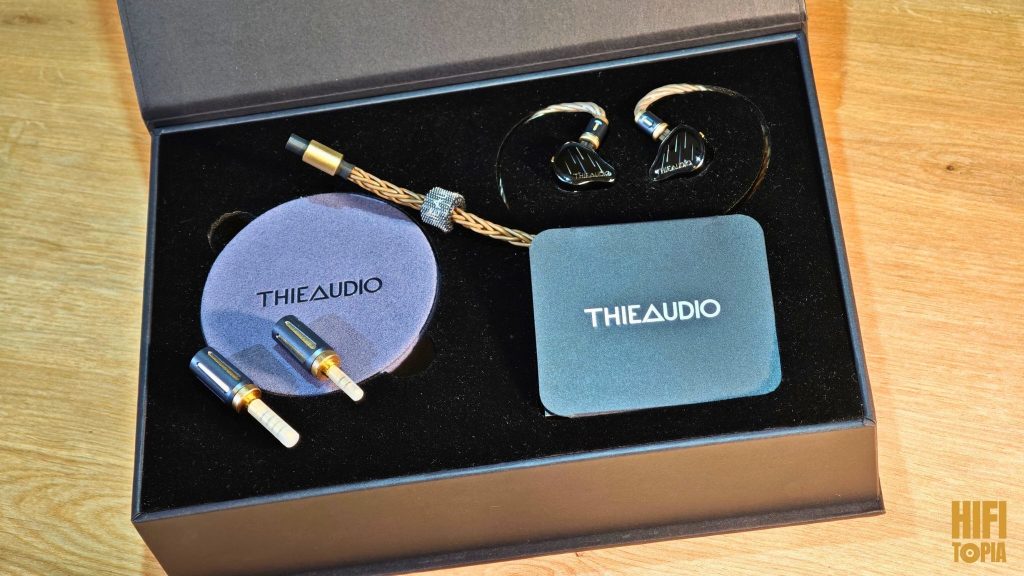
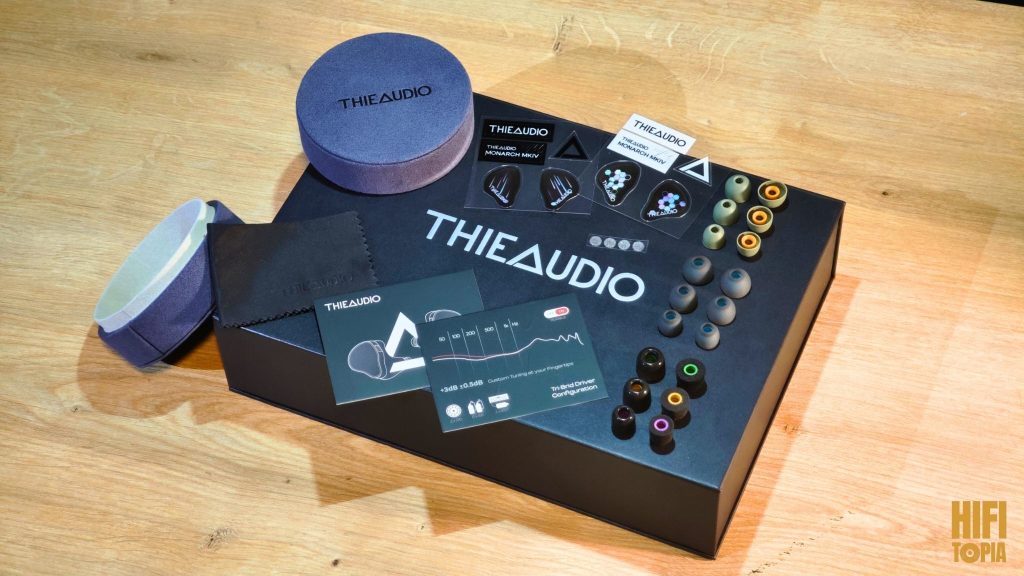
The Thieuadio Monarch MK4 comes with a very rich box content and the right components. The overall material quality of the accessories included in the box is satisfactory. Here is the complete box content:
- THIEAUDIO Monarch MKIV In-Ear Monitors
- New THIEAUDIO Upgrade Cable
- 3 Sets of THIEAUDIO Ear Tips (S/M/L)
- Cable Tie
- Cleaning Cloth
- User Manual & After-Sales Service Card
- Thank You Card
- THIEAUDIO Monarch MKIV Stickers
- Extra nozzle filters
Shells & Cable
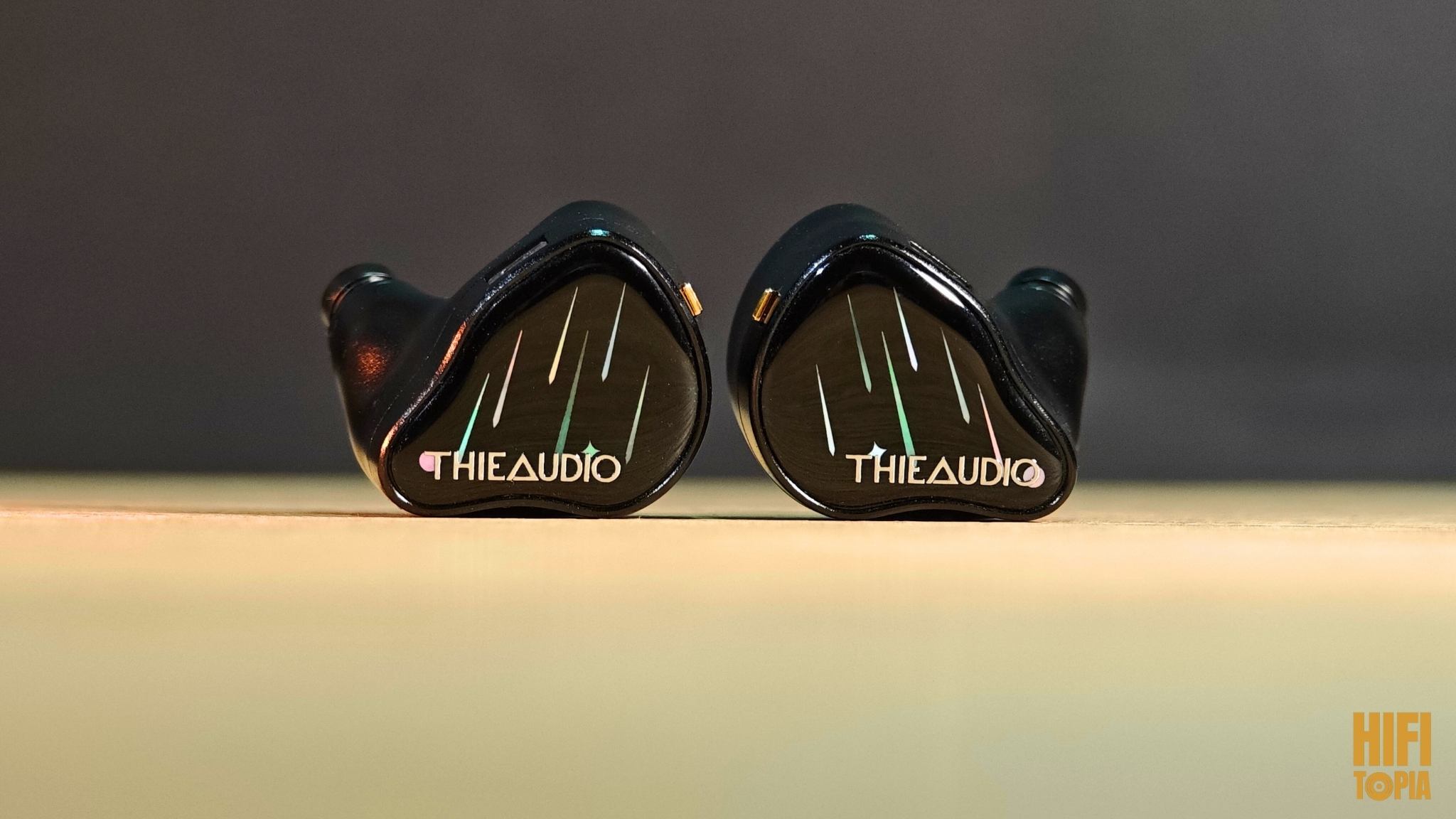
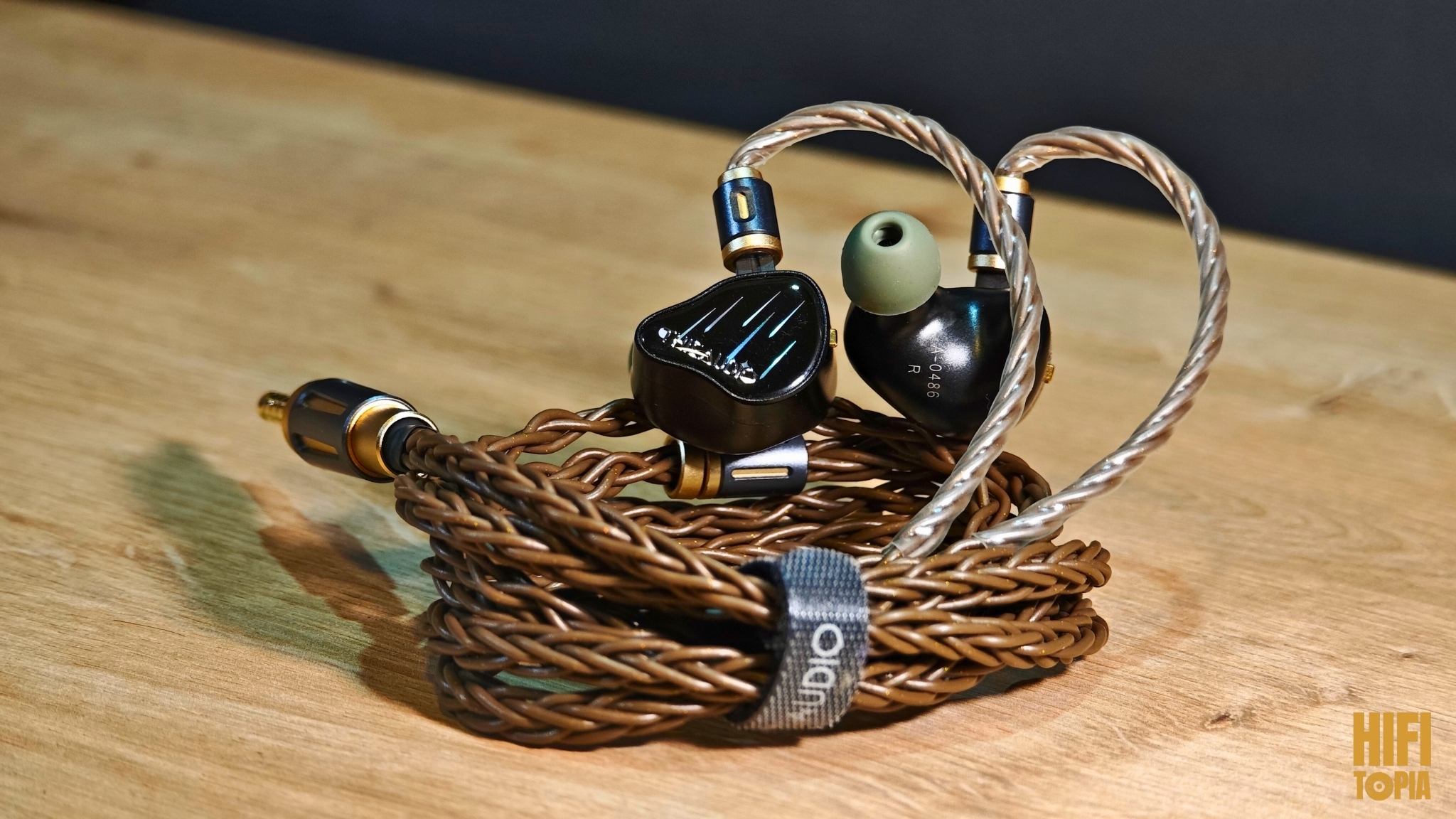
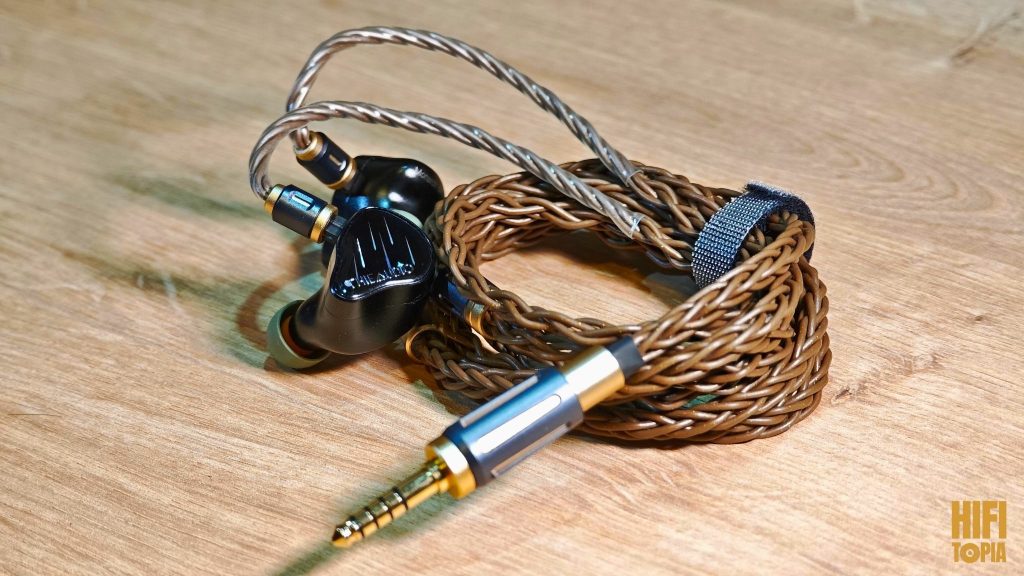
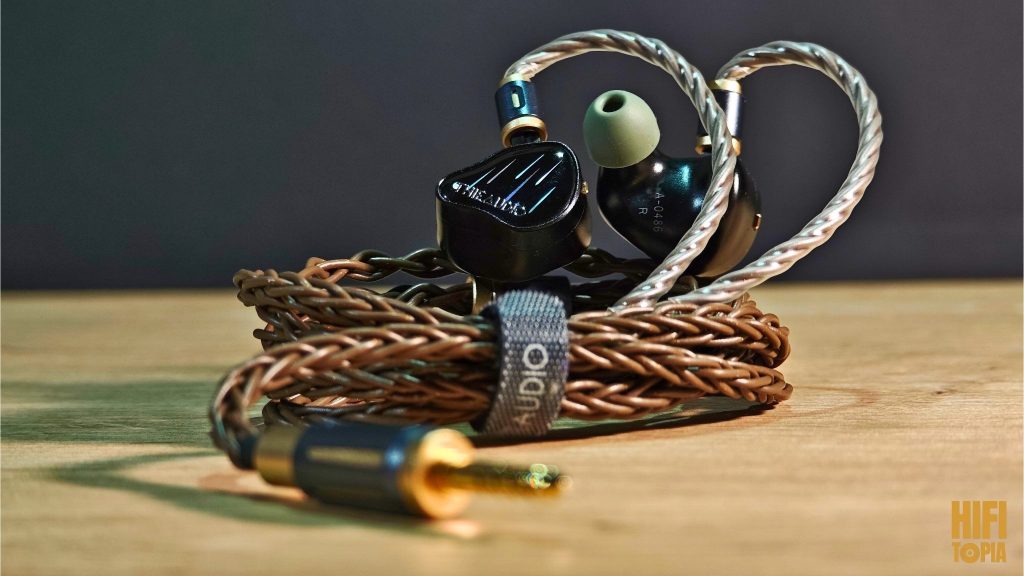
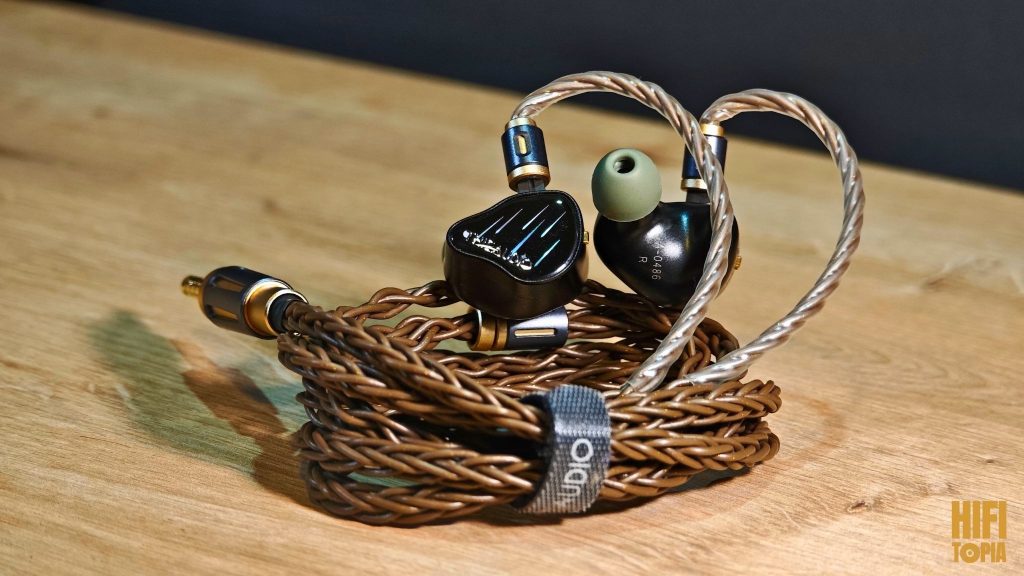
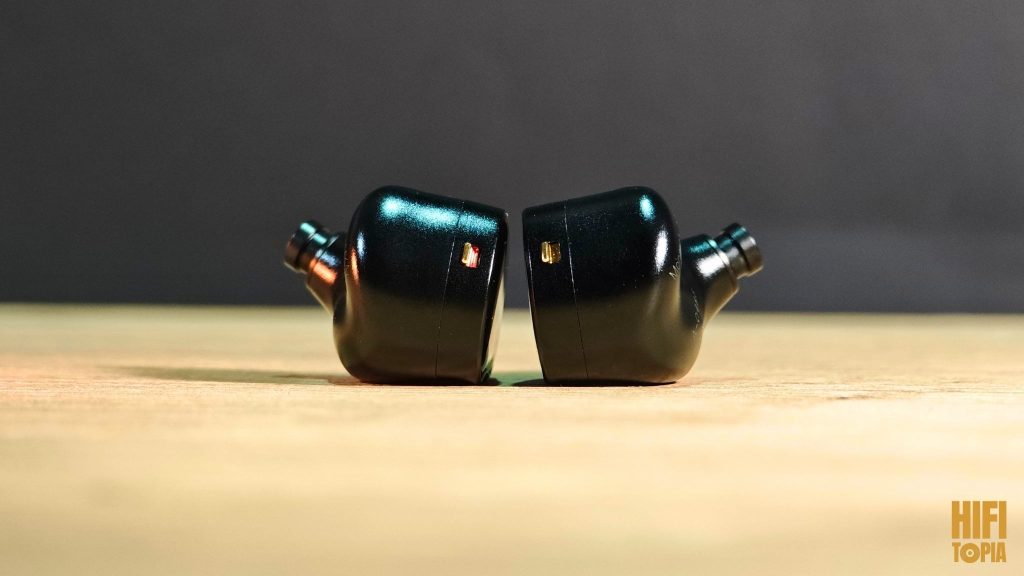
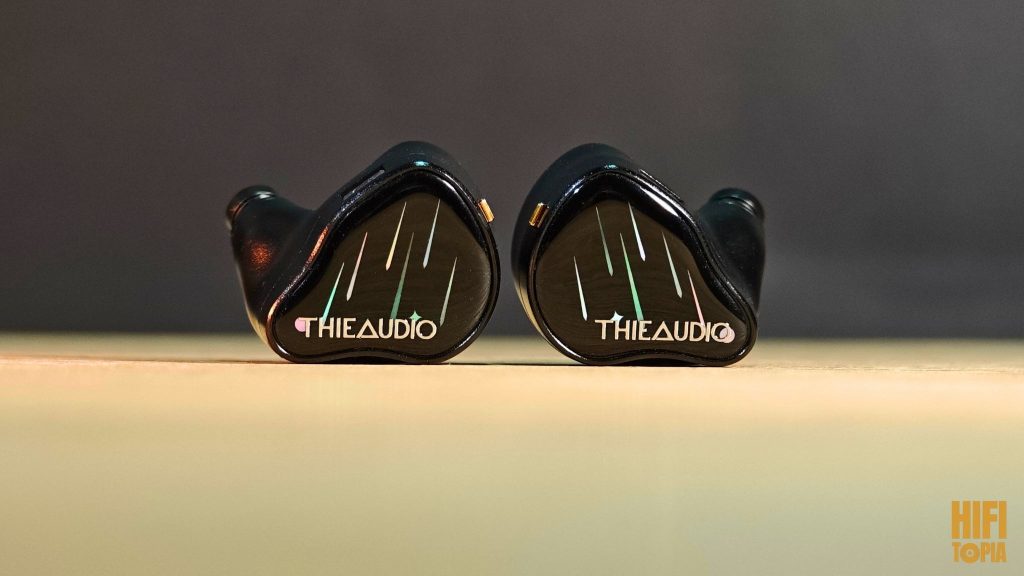
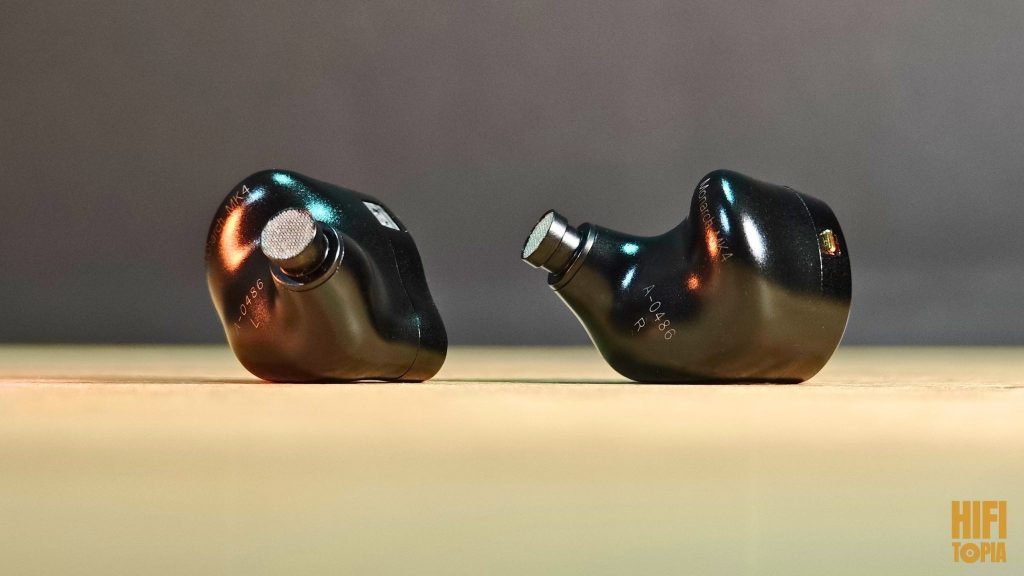
The shells are made of metal and feature excellent craftsmanship. I would describe the overall size as medium-large. The shells are shaped with the right curves. The fit is quite good, and I would say the tips are above average for isolation. The nozzle size is just right. The subtle reflections on the faceplate and the shiny Thieaudio logo are quite stylish. In addition to all this, there is a switch on each shell. I will discuss their functions in the sound section. The only thing I want to mention here is that it’s great that they used a flat and practical switch instead of a traditional switch.
The Thieuadio Monarch MK4 comes with an 8-core OFC cable. As far as I understand, this cable is a bold cable that the company trusts in its materials. The fact that it has a replaceable jack is also a plus. Still, the color is thought-provoking. On the other hand, they added an extra bend 10cm away from the jack connection and used it for the logo.
Tips, Case & More
It comes with plenty of tips. I’m not someone who uses the foam ones. The blue ones are ordinary, but the green tips are quite good—both balanced and comfortable. Still, I preferred my own wide-mouth tips for everyday use. Inside, there’s a functional, hard case covered in fabric. Additionally, they’ve included a cleaning wipe. Two sets of stickers that I find quite cute also come out of the box. I’ll figure out where to stick them later.
Synergy
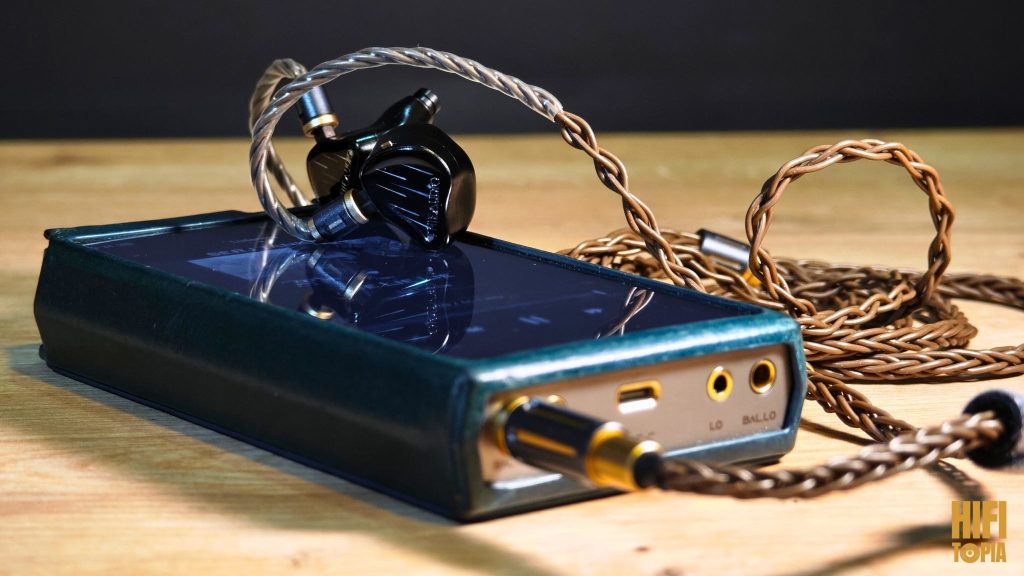
Thieaudio Monarch MK4 With Hiby RS8
OS mode, AB class, H gain, 4.4mm
The sound I get from this pairing is simply amazing. Technically satisfying, natural, and realistic. Musically enjoyable and captivating. It strikes a wonderful balance between excitement and calmness. When the Hiby RS8 and Monarch MK4 come together, you definitely don’t feel like you’re listening to an $1150 IEM. The resulting sound is close to the performance of the best IEMs. I don’t want to get too technical. In short, the synergy these two create is one of the best at bringing out the full potential of the MK4.
Thieaudio Monarch MK4 With Roseselsa RS9039
That’s the match that matters much more to me. It’s easy to perform well with one of the best sources. What can you do with a dongle that costs less than $100?
Of course, the RS9039 is a great dongle for its price, but we’re talking about an IEM that’s more successful than its price and nearly 20 times more expensive. So if the Monarch MK4 sounds good with the RS9039 at its level, I’d attribute that mostly to the MK4’s capability.
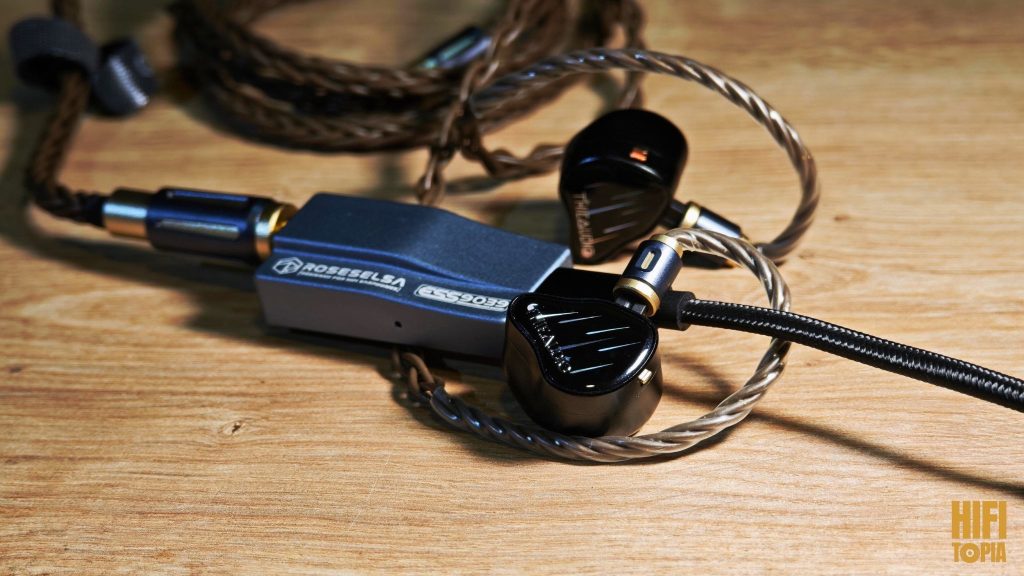
Is that the case? Hahaha, yes! This pairing might be the best sound you can get for around $1210 🙂 It’s technically sufficient. The MK4 produces a slightly calmer and warmer sound than its standard nature. Of course, there are texture and microdetail losses, but the result is still amazing. It still sounds great, still fast, a bit more full-bodied, still realistic and successful. This pairing is one of the best high-end pairings. Seeing the MK4 perform well with such a dongle is satisfying. The $300-$400 you’ll spend on the source will give you excellent sound. So this pairing shows us that the MK4 is fantastic for someone with a total budget of around $1500.
Comparisons
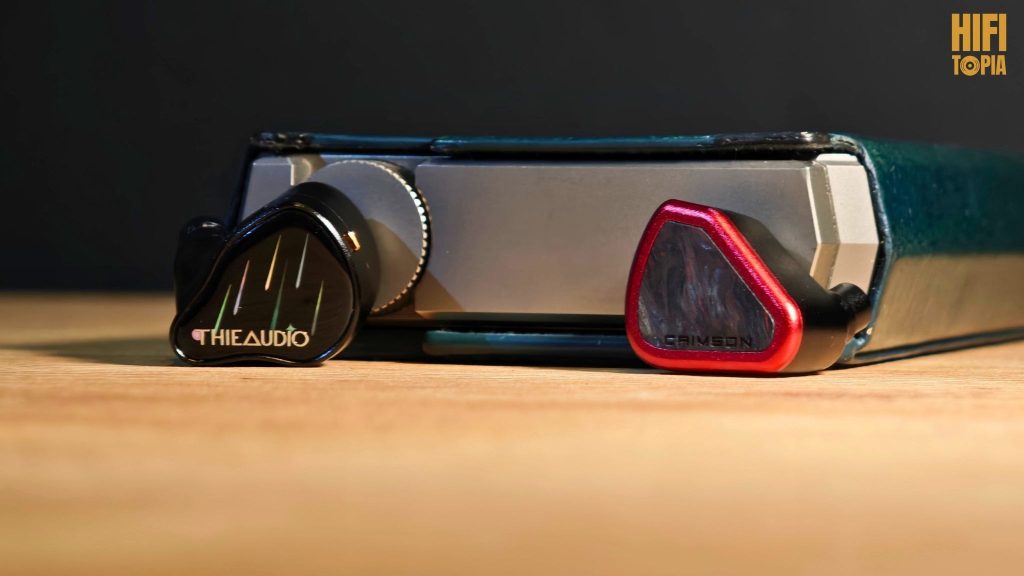
Thieaudio Monarch MK4 ($1,149) vs Symphonium Crimson ($1499)
This was one of the most anticipated and requested comparisons. Both pairs were listened to with the RS8, in OS mode, and with the AB class amplifier stage open at H gain. Both had Oriolus brand Japanese wide-bore tips installed. The MK4’s bass switch is off, and it is the Crimson 4-core wired version.
First of all, the Symphonium Audio Crimson has a more U-shaped and calmer tone, but it produces sufficient warmth and sparkle. The Monarch MK4 has a sound profile that falls between U-shaped and V-shaped and offers more excitement. We can even say that the MK4 is closer to V-shaped. The Crimson is an IEM that requires a bit more power and is about 20% harder to drive than the MK4.
Although they perform similarly in the lower frequencies, the Monarch MK4 produces more sub-bass. The bass guitar in Primus’s “My Name Is Mud” is more prominent and fuller-bodied on the MK4, while the Crimson renders this bass guitar a bit softer but with more texture. The rumble and volume are more intense in the MK4 in this area. While the MK4 produces more sound around 30-40Hz at the lowest frequencies, the Crimson’s balanced armature driver does not lag behind in overall bass performance. In Santana’s “Maria Maria,” the MK4 offers more entertainment value, but the techniques are so close that they are indistinguishable.
The midrange is an area where both perform exceptionally well. Both have quite realistic instruments. In this area, the Crimson delivers a slightly more grounded and accurate performance. The MK4, on the other hand, has more vocal focus and more separation. The legendary soprano in Haggard’s “In a Pale Moon’s Shadow” is more velvety with Crimson, while it is more forward and transparent with MK4. MK4 offers more sparkle and a little more microdetail in the midrange. In Deep Purple’s “Lazy,” the guitars are warmer on the Crimson, while they are slightly brighter on the MK4. However, in terms of prioritization, we can say that the Crimson is a more instrument-focused IEM. The MK4 is more transparent and has more space.
The treble. This is where things get complicated. Continuing with the track “Lazy” the cymbals are more intense, longer, and have more volume on the Thieaudio Monarch MK4. However, when it comes to consistency, the Crimson is in a much better place. The Crimson produces more natural upper treble, while the MK4 produces more energetic and excessive upper treble. Moreover, despite the difference in the driver type (armature vs. EST) and the technical specifications, I can say they are technically equal. Of course, if you’re a jazz fanatic or think that extra air frequency can’t hurt, the MK4 might be your choice. Still, in terms of treble accuracy in this area, the Crimson is ahead. Looking at the overall treble structure, I’d say the MK4 is slightly more detailed and has trebles more in the foreground.
In terms of technical resolution, they are almost identical, but the MK4 has a slight edge in overall detail reproduction. When it comes to accuracy, naturalness, and balance, Crimson comes to the fore. Both have quite similar imaging capabilities. While Crimson is slightly better in terms of positioning and layering, Monarch MK4 is slightly ahead in terms of separation, soundstage width and depth.
Which one you prefer depends a bit more on the sound profile. Although they surpass each other in some areas, their sound values are close enough to be considered equal. At this point, the MK4 comes out ahead by doing this more cheaply, which is a big reason to choose it. If you’re solely focused on sound, Crimson offers a warmer, more mature, and highly accurate sound. If you want more detail, excitement, and higher treble, MK4 is the better choice.
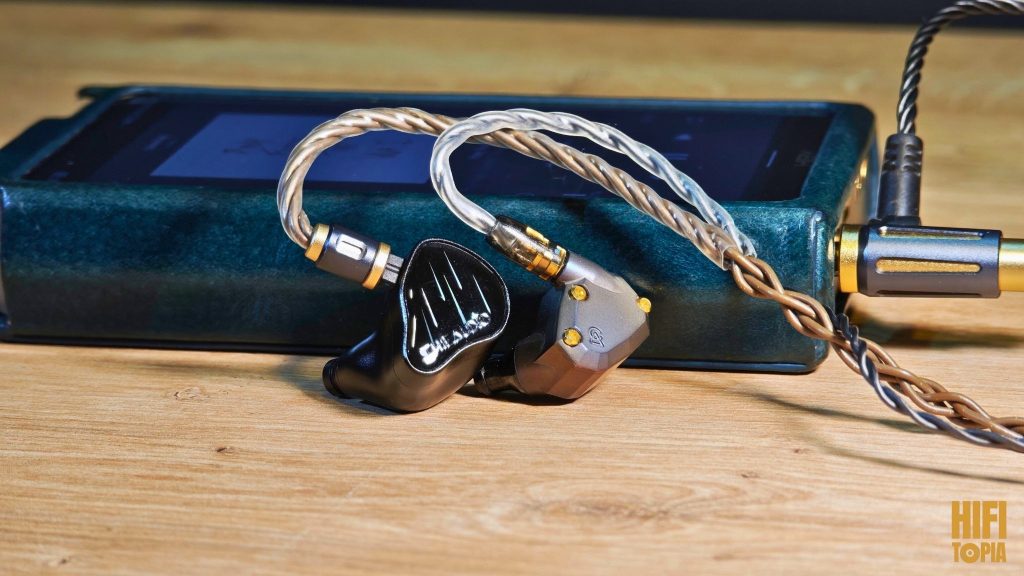
Thieaudio Monarch MK4 ($1,149) vs Campfire Audio Moon Rover ($1199)
I did this comparison with the exact same setup as above. But this time I’ll keep it shorter 🙂
The difficulty range is gradually increasing: Driving the Moon Rover is about 40% more difficult.
The Campfire Moon Rover is a very well-engineered and successful IEM. However, compared to the Thiaudio MK4, it produces a thinner, weaker, and more hollow sound.
In the low frequencies, the Monarch MK4 produces significantly more sub-bass than the Moon Rover. In this area, the MK4 is superior in terms of note weight, volume, accuracy, and texture. The Moon Rover is more midbass-focused and produces an instrumental low frequency with less intensity. While both have similar speed in this area, the MK4 is ahead in terms of impact response.
Although they are similar in performance in the midrange, the MK4 is more realistic and full-bodied. It is more successful in terms of overall presentation and has a more accurate tone. Again, the MK4 has more space and detail in this area.
When it comes to treble, Moon Rover produces slightly more treble, but the technical performance of these two is close here. Still, MK4 is better in terms of accuracy and consistency.
In terms of overall technical performance, the MK4 is also superior. The Thieaudio MK4 is better in almost every area and is $50 cheaper, making it the clear winner in this comparison. The Moon Rover may be preferable to the MK4 for certain specific tracks and limited genres, but overall, the MK4 is much more successful. Moreover, while the Moon Rover requires more power and a good source device to produce good sound, the MK4 will give you pleasure even with a $100-$200 dongle.
Sound
Tonality
I know you’ve all been waiting to read this part. The latest addition to the Monarch series has been eagerly anticipated for some time. The Thieaudio Monarch MK4, which has excellent overall sound performance, has a tonal quality that falls between the U-shaped and V-shaped sound profiles I mentioned in the synergy section, but leans more towards the V-shaped. This V-shape is quite balanced and strikes a great balance between musicality and technicality. It’s both sufficiently full-bodied and sufficiently open. Some clever colorations have captured some focus in the frequencies just before and just after female vocals. That’s why it also has a slight U-shape feel.
Switch
The switch simply adds a small boost that increases the bass, especially the lower bass, without distorting the amplitude. It’s actually a functional button that increases the fun factor when used at the right time. However, I always listened to the default setting because I found the lower frequencies sufficient. I’m writing this part accordingly.
Bass
The MK4 is quite rich, punchy, and fast at low frequencies. The new dual 8mm drivers perform very well in this area. While the sub-bass is slightly more dominant than the mid-bass in the bass balance, the overall volume and positioning of the low frequencies are quite consistent. It also performs well instrumentally: When listening to Tool – Forty Six & 2, I can hear the bass guitar clearly and enjoy it immensely. Additionally, the Thiaudio MK4 makes me happy with every hip-hop track I play, and I don’t even need a bass-boosting switch.
Mid
Balance and naturalness dominate the midrange. The midrange is textured and detailed, maintaining a high level of instrumental richness. Vocals and instruments have almost equal focus, and there is sufficient space. The mids are both sufficiently transparent and sufficiently full-bodied. When the key is active, a slight body is added to the lower mids, but I don’t find this particularly necessary. I think the mid frequencies are quite realistic in default mode, and it’s best not to mess with something that’s already good.
Treble
The timbre is consistent and accurate. As you go to the extremes, a slight brightness is added to the sound, and there is plenty of energy here. The bells are quite realistic and feel good, the amount of extension is consistent. Just before the air frequencies, there is slightly more focus than the air frequencies. The clever tuning is evident here too. Still, I can’t help but mention: control is borderline. It’s good in the control department but not the best, which reminds us why this headphone isn’t $3000. Other than that, it does almost everything well in this area.
Technique
Resolution and detail reproduction are both really high and homogeneous across the spectrum. This is quite good because the fate of multiple configurations depends on it. Thieaudio MK4 also provides isobaric frequency response as the volume increases. The timbre is accurate, and overall accuracy is high. Separation and layering are exceptional for this price range. Soundstage depth is quite good, while width is just above average. I can say similar things about its positioning ability. All in all, its overall imaging capability is quite successful. The MK4’s overall technical performance is clearly above its price point.
Last Words
The Thieuaido Monarch MK4 seems to live up to the expectations set by its predecessors. It offers excellent performance and accuracy for its price. Despite its V-shape, it is both very balanced and very natural. As someone who prefers neutral tones, I can comfortably say that I like the sound. It is good enough to heat up the competition in this price range and is currently at the top of its game. Let’s see what happens in the future!