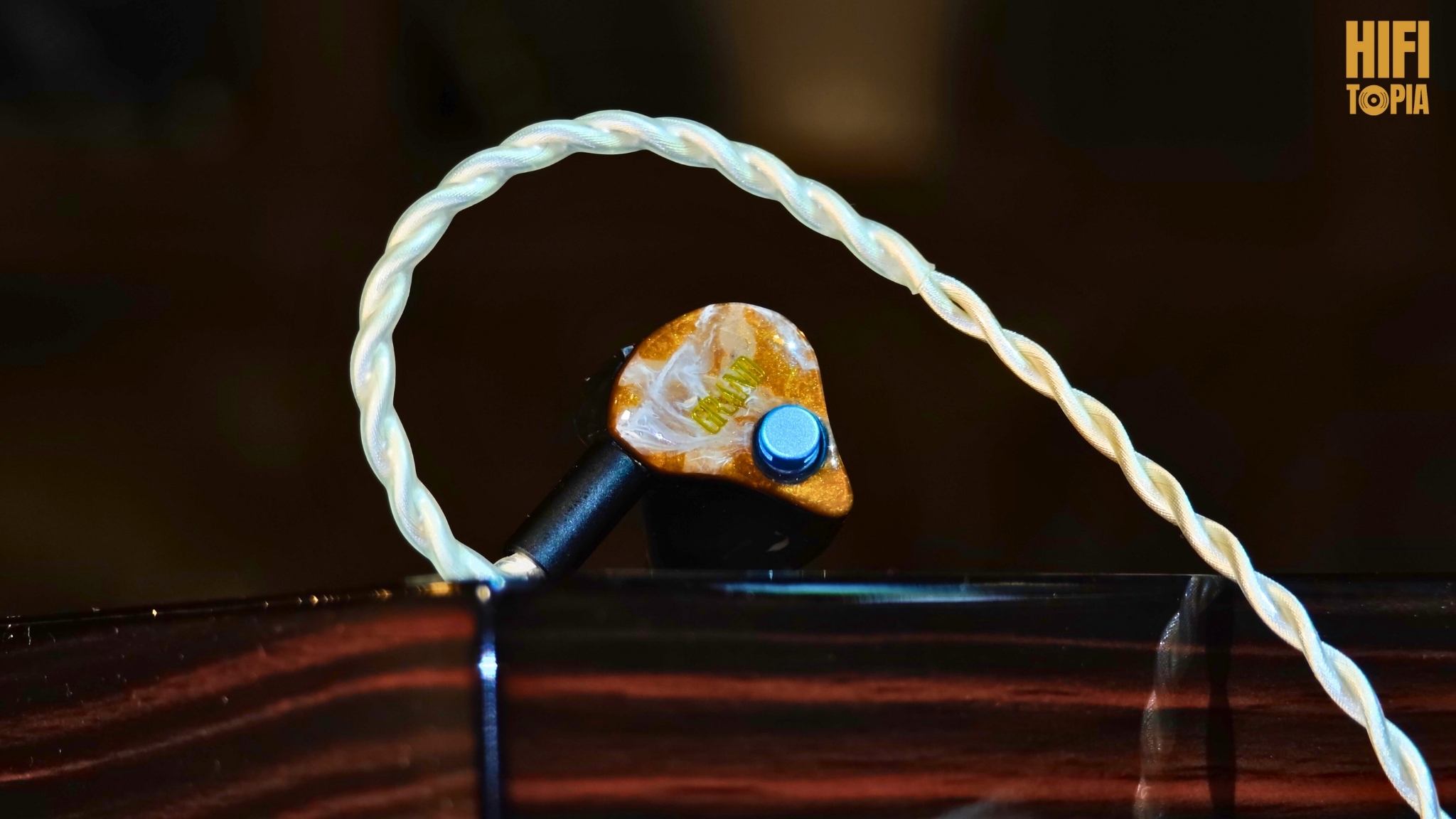

Stealthily placed vocal toggle switches
Two different types of NOAH modules (Complete packaging)
Four different sound profiles are achievable via NOAH modules and vocal switches.
Total Score
Introduction
Greetings to everyone during these harsh winter days! Today, I’m here with a review that will warm your hearts and heat up the atmosphere. For some, it’s the endgame; for others, it’s endless competition; for some, it’s a perfectionist approach: Hifitopia proudly presents, here’s the FatFreq Grand Maestro review.
The terrifying comparison many of you have been eagerly awaiting is also included in this review 😉
Before we begin: I purchased this item myself and spent a lot of time with it before writing this review. Enjoy the read.
Design & Build
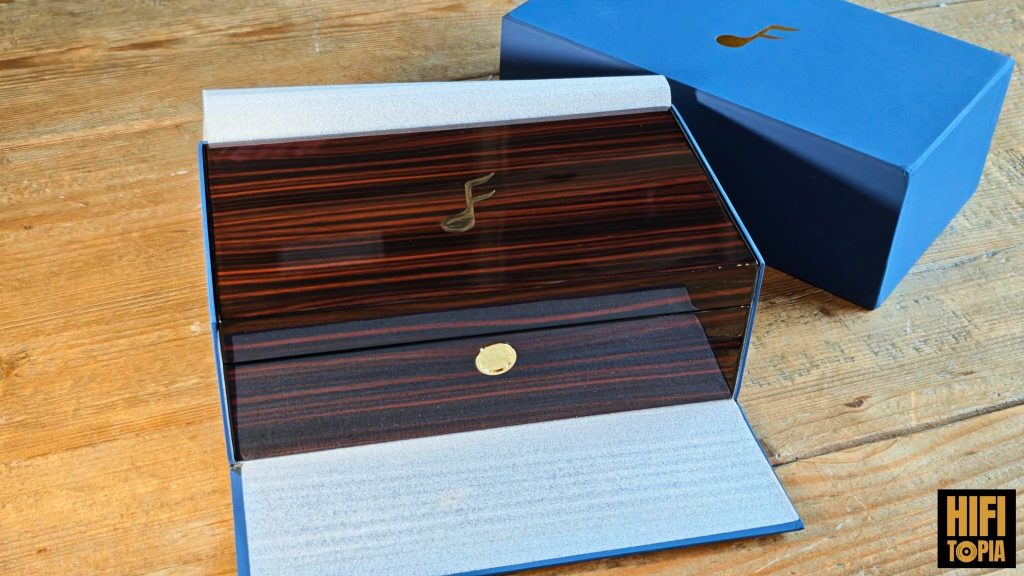
Did I buy a Patek Philippe or an iem?
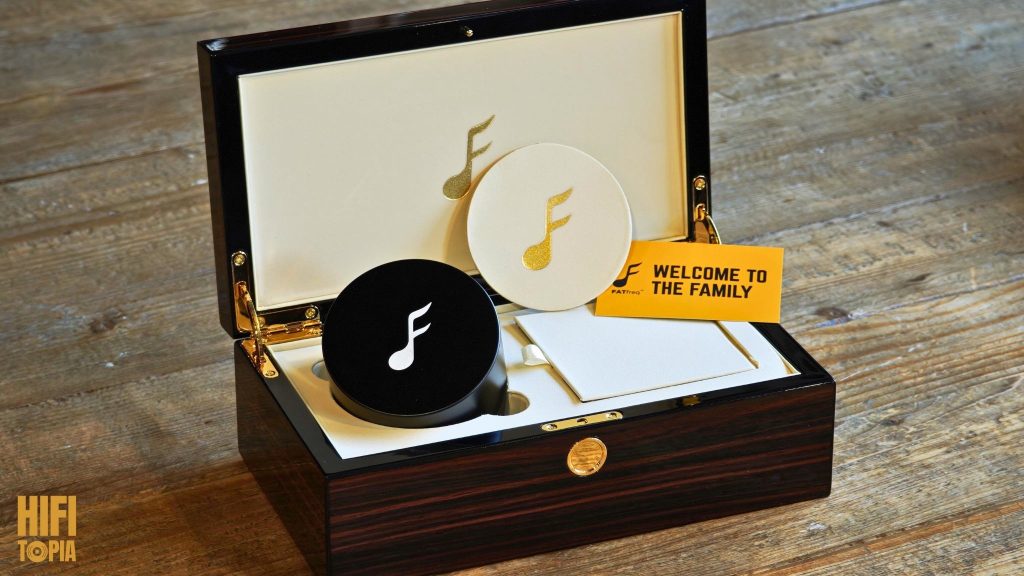
A premium wooden box, and the gems inside. The Grand Maestro begins by offering you a magnificent experience even as you open the box. The complete list of items that come out of the box is as follows:
- Luxury Collectors Exhibition Box
- Pair of Grand Maestro IEM’s
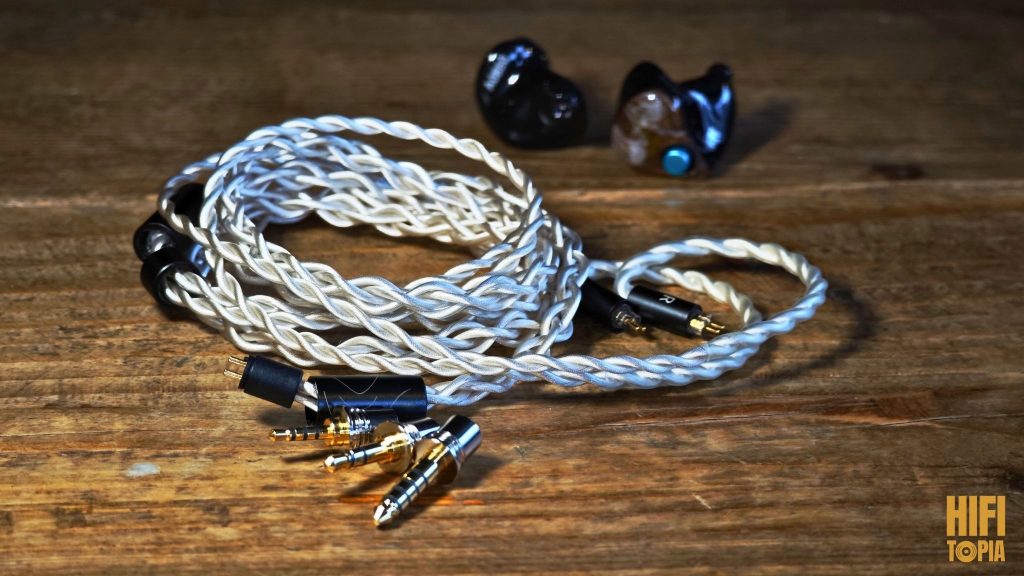
- ‘Silver’ cable with exchangeable terminations
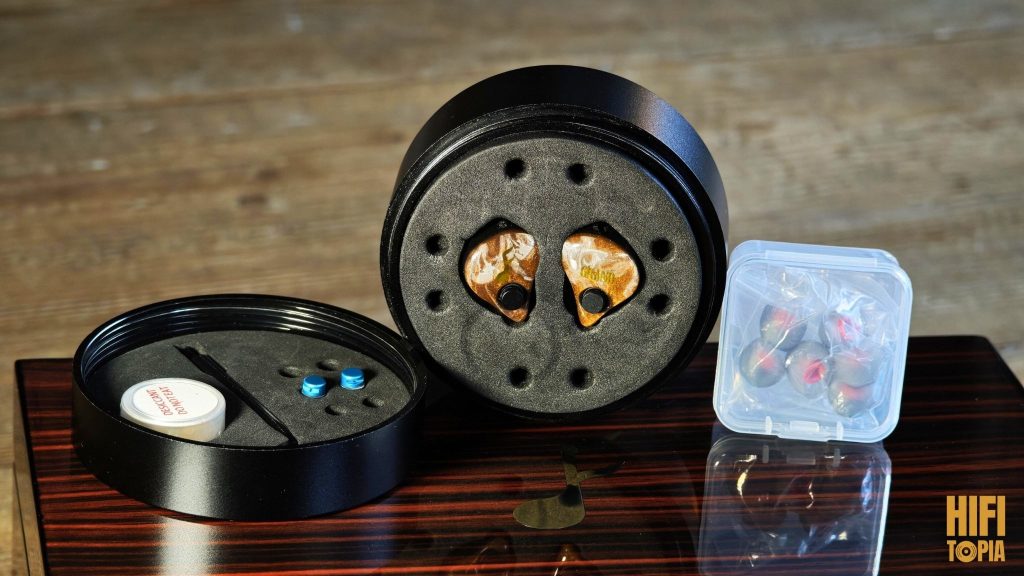
- Black metal puck case
- NOAH Modules with case
- Black Cleaning Cloth
- (2) full sets of tips, one of them is clarions
- Welcome to the Family’ Card
Shells
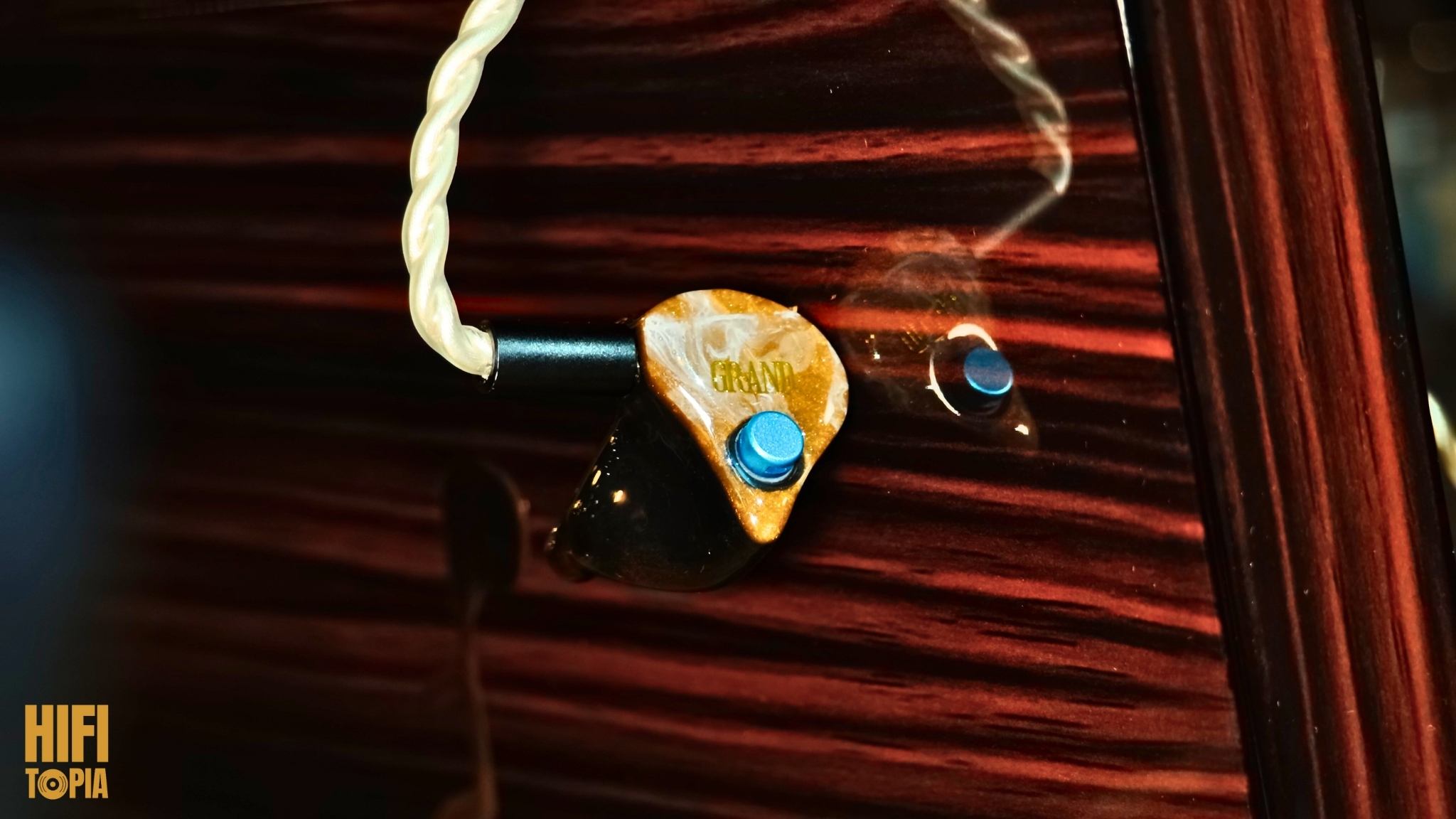
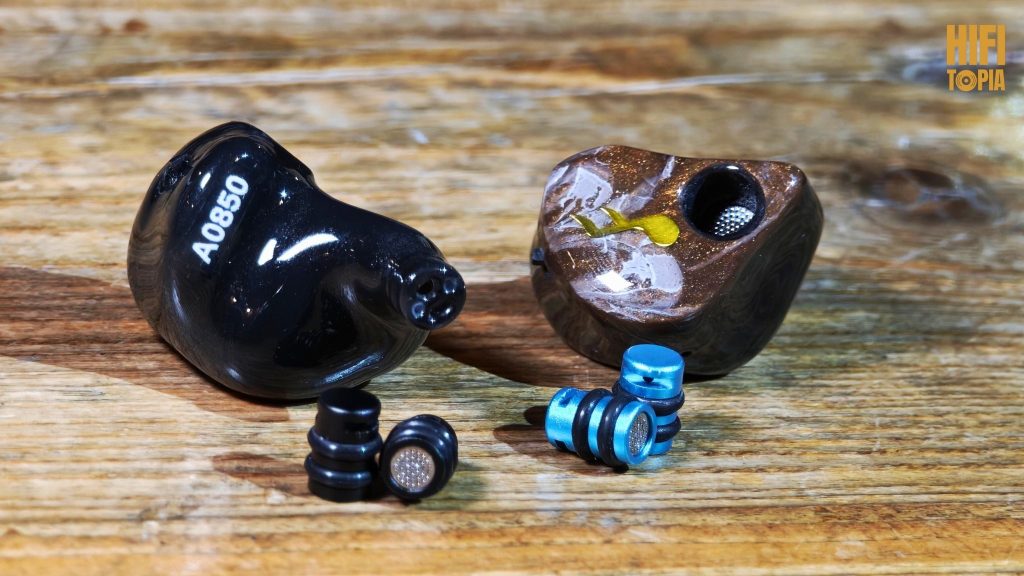
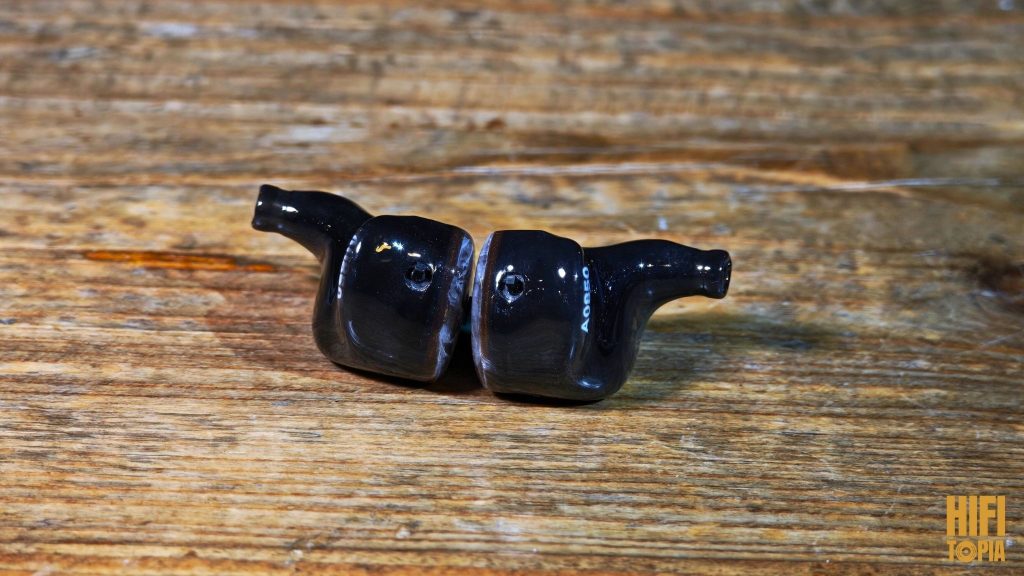
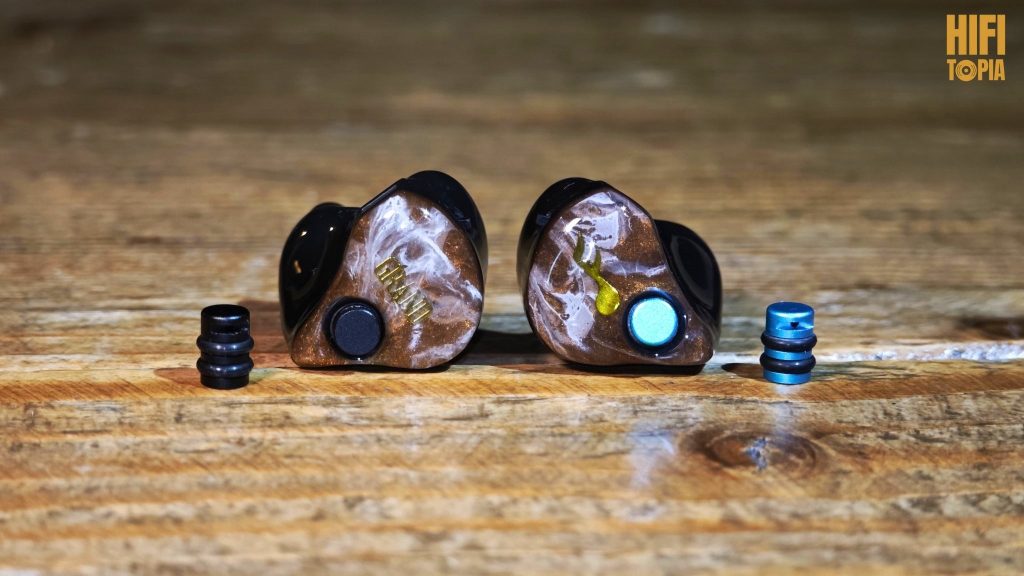
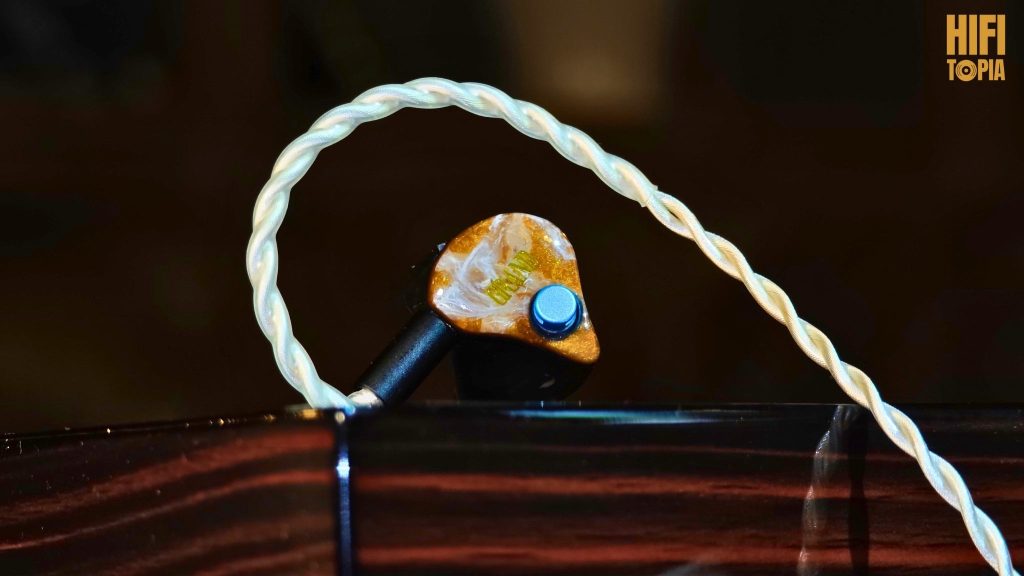
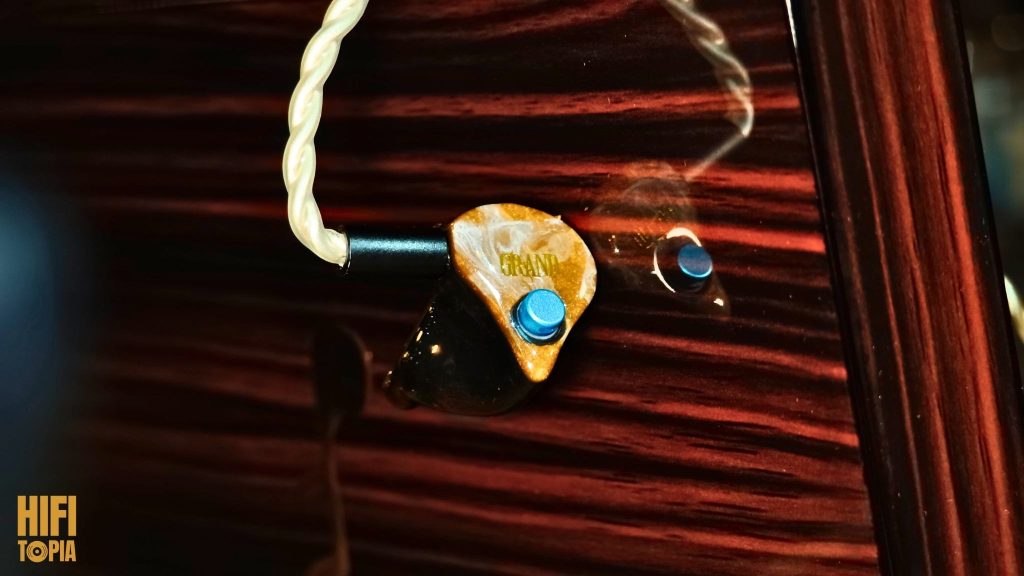
They’re quite large but fit perfectly. They scared me at first, but they fit wonderfully and provide excellent passive isolation. They have a gap behind the drivers that creates space. By attaching modules there, you can adjust the pressure behind the drivers, effectively performing physical tuning. There are two versions of this, one with only a black module and the other with both black and blue modules. I chose the version with the blue and black modules, and I highly recommend it to you. I think the blue module is much more successful; we’ll get into the details.
When we look inside the shells, we understand why they are so large. There are exactly 13 drivers here: 1 DD (bass) + 8 BA (midrange) + 4 EST (treble). There is also a switch that affects this quite rich and ambitious configuration. Frankly, this is the most effective and useful switch I’ve seen to date, its effect on the sound affects the entire spectrum and gives you a much more energetic sound. I will delve into this section in more detail in the sound section.
Cable
The silver-cabled version I have. There is also a gold-plated silver version. FatFreq has only specified that the silver-cabled version I have is silver; there is no mention of any silver content percentage or purity level. Still, I think it’s a good cable because when I compared it to a 5N pure silver cable, the difference was negligible. The jacks on this cable are interchangeable, which is great. It comes with 3.5mm, 4.4mm, and 2.5mm jacks. I don’t think the 2.5mm was necessary 🙂 They could have included more tips instead.
Case, Tips, More
The hard case that comes in the box is frankly useless and has a shape I don’t like. It’s a metal disc that you twist open—does anyone actually use this? I think they could have included a nice soft case. Fortunately, they’ve switched to a different hard case in the current version. That’s good. A cleaning brush comes out, which is pretty standard. After three fairly standard sizes, three Clarion sizes come out. These tips are very good, and I’m glad they included them in the box. Still, they could have included more tips.
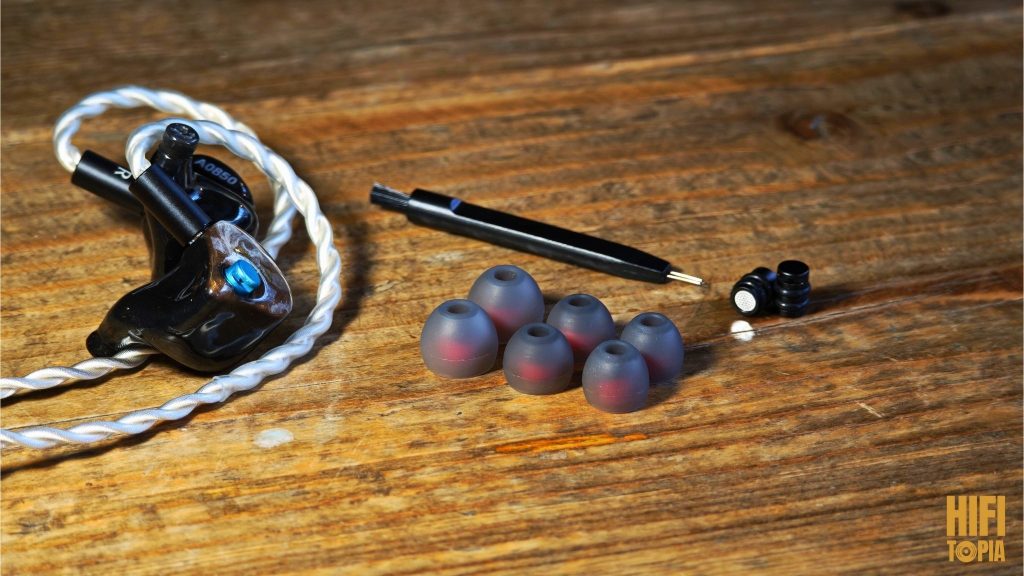
After three fairly standard sizes, three Clarion sizes come out. These tips are very good, and I’m glad they included them in the box. Still, they could have included more tips.

Synergy
First of all, driving is not easy at all; it’s not something that can be done with a dongle, it must be said.
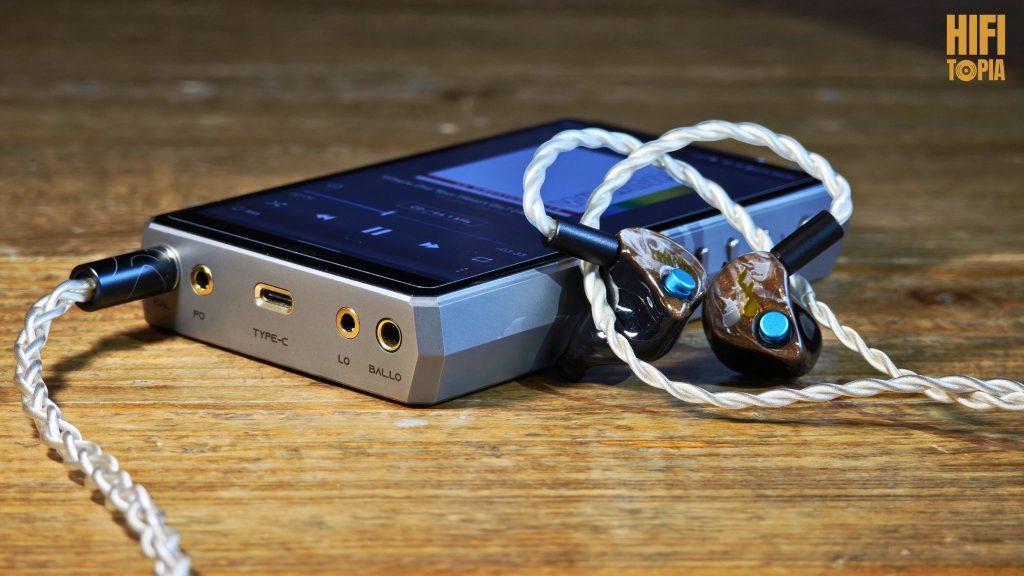
FatFreq Grand Maestro With Hiby RS8
A major matchup in the big leagues. During my listening tests with the H gain open and AB class amplifier stage via the 4.4mm output, turbo mode was on and it was in OS mode. I got pretty much the best results this way.
First, I used the blue filter overall. With the black filter, you get a warmer, bassier sound, which is useful when pairing with colder sources or if you specifically want a warm sound. The Hiby RS8’s neutral-to-slightly warm sound and very natural tone produce an incredible result with the blue-filtered Grand Maestro when the key is off. I always had the turbo on in this pairing and still listened at 50-55/100 levels. Based on this, I recommend using your source device at its most powerful setting. The FatFreq Grand Maestro consumes quite a lot of power. In general pairing, Blue filter – A class / Nos and black filter – AB class / Os pairing is reasonable. I found the Black filter Nos – A class pairing too boomy and thick. I preferred the Blue filter – OS / AB class according to my personal taste.
RS8 With Grand Maetsro
We have a natural and realistic sound that delivers the entire spectrum with an exquisite tone. This pairing achieves this with incredible technique, pushing the potential to the limit. The low frequencies are quite loud despite being quite distant from the surface, and they do this in a realistic way. In Tool’s Forty Six & 2, the bass guitar is very natural but a bit loud. The overall sound leans from neutral to warm and is quite full-bodied. The sub weight is excessive, and the dynamics of the drums feel incredibly good, with very high capture success. The driver speed is evident here. The midrange is clear and open. Nothing is crushed or loses texture, and the layering is incredible. Here, the lower midrange and upper midrange dominate the overall inner midrange balance, but it sounds balanced to the ear and carries the difference to the soundstage. When we get to the top end, we can hear that FatFreq has made a masterful adjustment here. In such a full-bodied and warm presentation, the highs are both amplitude-appropriate and velvety. My overall score for the pairing is 9.6/10.
FatFreq Grand Maestro With Lavri Cables Master Line Silver Cable
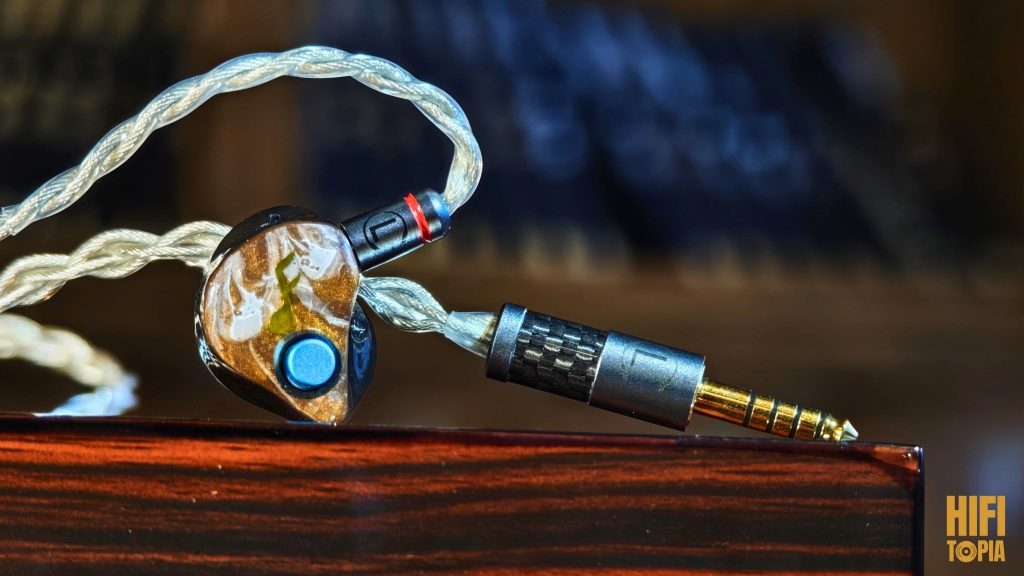
Blue filter, switch off, and with RS8: Technically, there isn’t much difference, but Lavri Master Line still added a bit of separation, and I hear a more refined sound. Considering that a $3000 iem’s stock cable would also be very good, I find it natural that there is no difference in resolution. The stock cable also contains silver, but we don’t know if it’s pure silver or how many N it is. The real difference is in the tonality. There’s a more spacious sound here, and this reflects in the soundstage. The trebles are livelier and slightly more forward. The low frequencies seem slightly recessed, and the overall sound tone shifts towards a more neutral character. Still, there’s warmth present. Considering the tonal character copper cables would add, I find this silver cable pairing much more logical.
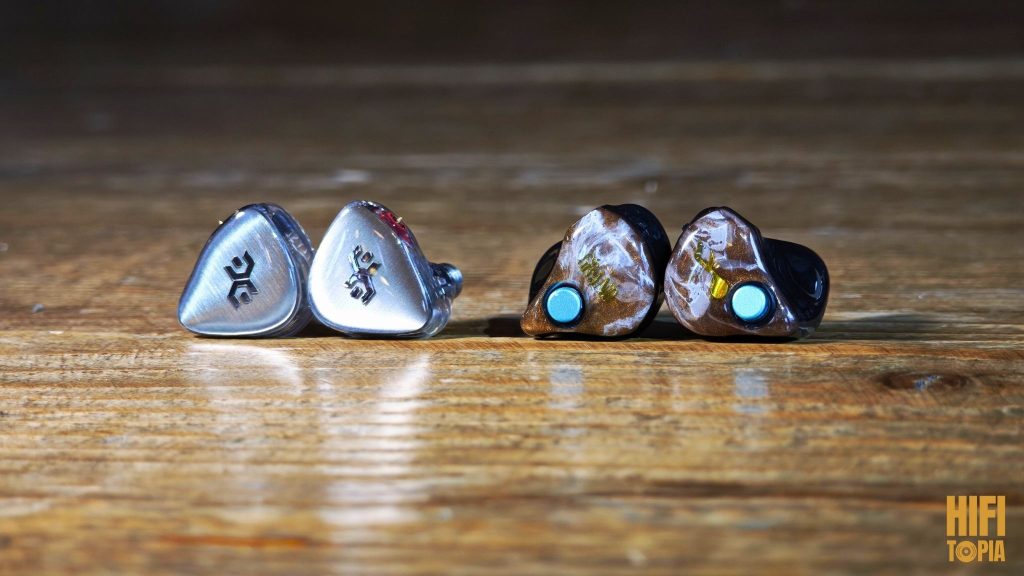
FatFreq Grand Maestro ($3,143.00) VS Elysian Acoustics Labs Annihilator ($3000/$3200)
Ronaldo or Messi?
I made this comparison using RS8 with H gain in OS mode from the 4.4mm port on the AB amp stage. Both beasts were on stage with stock cables, and both had JVC FX10 tips attached. The Grand Maestro was listened to with the blue filter and the switch turned off.
Overall Tonality & Sound Profile
Both have warm sound profiles but are quite well-adjusted in terms of coloration. The Annihilator has a more entertaining and exciting tone and adds a noticeable midbass body to the sound. The Grand Maestro is more balanced and creates a sub-authority effect in the sound. The Annihilator’s sound profile features V- and W-shaped colorations, while the Grand Maestro contains more typical U-shaped colorations. In terms of presentation, the Annihilator creates more impact, but the Grand Maestro is more stable during detailed listening.
Bass
In the lower frequencies, the Grand Maestro stands out; it’s one of the best subwoofers I’ve heard. The Grand Maestro is much more sub-focused in the low frequencies and has tremendous note weight. The Annihilator, despite its big bass, is more midbass-focused and booms closer to the surface. In this area, depth and volume related to positioning are better on the Grand Maestro. Instrumentally, the Annihilator has very crisp and full-bodied bass guitars. Despite having different internal bass balances, both are fantastic with the double bass. Both are very fast and capable at capturing drums, with texture levels so close they’re almost identical. Still, the Grand Maestro is more successful with drums due to its ability to convey drum tension and the micron-level texture difference.
Mid
The midrange is incredibly good on both, with areas where they show themselves and surpass each other. When it comes to vocals, Annihilator is incredibly good with female vocals and surpasses Grand Maestro. When it comes to male vocals, Grand Maestro is more consistent. Since the extra midbass on Annihilator also affects the mids, Grand Maestro offers a more natural tone in the lower mids. However, when it comes to guitar, Annihilator takes the lead again, with an exquisite tone and unmatched emotional delivery. Both are incredibly good and equal when it comes to violins and wind instruments, but here I’m giving my vote to Annihilator by a nose for the violin.
Treble
When it comes to treble, the equality is broken again. First of all, I want to congratulate Grand Maestro for this superb tuning and for competing with Annihilator in the treble range. It really has incredible trebles. However, Annihilator is an IEM famous for its trebles. If you ask what the difference is, Annihilator definitely has more energy in the trebles. In terms of control, both are superb. When it comes to clarity and playing note by note, the Annihilator is a little better. The GM is still fantastic, with 99/100 trebles, and definitely not inferior to the Annihilator in terms of tone. However, despite its high treble energy, the Annihilator maintains control, blending the trebles note by note and with the right tone. That’s why it gets 100/100!


Technique
When it comes to pure technique, hats off to both. They are equal in terms of resolution, but here’s the thing: the Grand Maestro is more homogeneous. That is, the Grand Maestro offers the same high resolution at every frequency with incredible consistency across the entire spectrum. The Annihilator, on the other hand, is slightly more resolved in the upper frequencies than in the lower frequencies (and a significant part of this is perceptual). This difference in homogeneity may mean nothing to you, but this part of the comparison is technical. When it comes to detail, we can say similar things; they are the same, but the Grand Maestro has more nuance in the bass. The Annihilator has more nuance in the upper treble. When it comes to imaging capabilities, the Grand Maestro stands out in terms of soundstage. The Grand Maestro is slightly deeper and can extend further in a spatial sense. The stage widths are almost equal. In terms of positioning, both are true legends and equals. Only the Grand Maestro has a more distant and sweeter positioning in the lower frequencies. In terms of layering, the GM stands out in some areas, but they are equal overall. In terms of treble resolution, the Annihilator is ahead by 1%.
Now that the comparison is complete, I leave it to my valued readers to evaluate these two beasts and their advantages alongside their prices and make their choice.
Sound
The FatFreq Grand Maestro essentially has a V-shaped sound profile, but also incorporates elements of W-shaped and U-shaped profiles. It provides tonal flexibility with keys and modules. It features expertly selected colorations across the entire spectrum and maintains these in the settings it offers you. The Grand Maestro is a powerful triband with a full 13 drivers. Therefore, for the best pairing, you should drive this beast with high-end DAPs.
Modules & Switch
The Grand Maestro comes with a black and a blue filter in the full version. The black filter makes the sound more V-shaped and significantly boosts the bass. The blue filter is more balanced and focuses more on the instruments; it has less bass.
With the switch in the closed position, the sound evolves into a presentation where female vocals are more in the background. Here, the sound is calmer and more neutral-warm. When the switch is open, it adds energy to the upper mids and changes the presentation from start to finish, producing a brighter sound.
The combinations here are quite personal. In general, my opinion is that the black filter has too much bass and the open key is too energetic. Therefore, in my listening sessions, I generally preferred the blue module and the closed key. Of course, this also depends on your source device; I listened primarily with the RS8.
Bass
Impressively positioned, deep and textured. At low frequencies, the internal balance shifts to the extreme lows, and there is a distinct sub authority. The timbre is magnificent. The impact, volume, roar, and distance are superb. These basses can deliver a very powerful punch without approaching the surface. Instrumentally, the Grand Maestro also does a fantastic job. The bass guitar is very clear, and the tension transfer is very solid. The drums are both very clear and textured, the dynamic driver is quite fast, and the capture ability is very high. In double bass performances, the tone roars in a very natural and clear way. The Grand Maestro is very strong in this area, one of the best I’ve heard.
Mid
FatFreq Grand Maestro shines in this area too. It’s very natural, very realistic, and completely accurate in terms of tone. It’s so masterfully tuned that the micro indentations in the middle create space between the instruments, yet there’s no loss of texture, no squashing, everything is there down to the smallest detail. I’m listening to a V-shaped IEM, but the midrange focus is so perfect that it sounds almost W-shaped. Here, everything is quite accurate in terms of transparency, timbre, and texture—yes, the best word to describe it is “accurate.” Female vocals are clear and smooth, while male vocals are powerful and controlled. Guitars, violins, and piano strokes are very realistic. I wonder how far I can push the limits in this area, so I open that famous piece: Concerto in Dm by Allegaeon. What do you think the Grand Maestro does in this extremely complex and fast piece, where even the top-tier IEMs can make small mistakes? A flawless result, every texture is there, the Grand Maestro plays the piece like a detective unraveling the knots of chaos. Technical perfection, exquisite tonal accuracy and realism beyond detail reproduction success. But what about pleasure? I open up my favorite pieces one after another, thinking I should know this: Parabol & Parabola by Tool, Equus by Ne Obliviscaris, La Terra Santa by Haggard, Wish You Were and Hey You by Pink Floyd… My eyes light up because the result is always the same: ears that listens to the music, not the equipment, for the perfectionist audiophile…
Treble
Flawless tuning, superb technique, and high control: the amount of energy is a matter of preference. You can increase the treble at the expense of making the sound more V-shaped, but the bass will increase. However, in the form I enjoy listening to in every way, the word that applies to the treble is: extraordinary control. It is so velvety and so accurate that the amount of extension here is not a matter of preference; it is determined by what is correct. Where does this exquisite airiness come from in a generally warm-colored sound profile where sub-bass authority speaks? From the treble region, of course, which does its job perfectly. Here, GM has control that produces quite realistic bells positioned in harmony with the rest of the sound. However, it doesn’t have the sparkle and energy of a V-shaped IEM; it caresses rather than strikes. Personally, I prefer this, but some may seek more sparkle. Still, I believe FatFreq is doing the right thing here. It’s a good treble response that can be heard clearly without shouting and doesn’t need a sharp contrast to exist.
Technique
The Grand Maestro is technically so advanced that it could signal the end of the game for almost everyone. Some may have their sights set on more, heading towards the $6000 range, of course. The Grand Maestro is among the top names in technical terms, offering ultra-high resolution, superior homogeneous technical distribution across the spectrum, and detail reproduction success. It captures even the finest nuances and textures in the most complex and fast-paced pieces without never losing its realism. It separates perfectly, its layering is superb, and its overall imaging is close to perfect: its positioning ability is very high and very consistent. The soundstage width is excellent, and the depth is outstanding. From a technical standpoint, I believe it fully justifies its price tag.
Last Words
I can say that the FatFareq Grand Maestro is one of the best IEMs released so far. Considering the price tag, what they offer is quite reasonable, and it’s a satisfying option for those looking for IEMs in this budget range. If you’re looking for a high-end IEM with powerful bass that’s sub-focused and delivers torque, this is an excellent choice.