Impedance: 24Ω
Sensitivity: 111dB SPL/1mW
Frequency Response: 20Hz-28kHz
Cable: 4.4mm
Total Score
Introduction
As we approach the end of 2025, greetings to you all, Hifitopia readers. It’s freezing in the northern hemisphere, so bundle up!
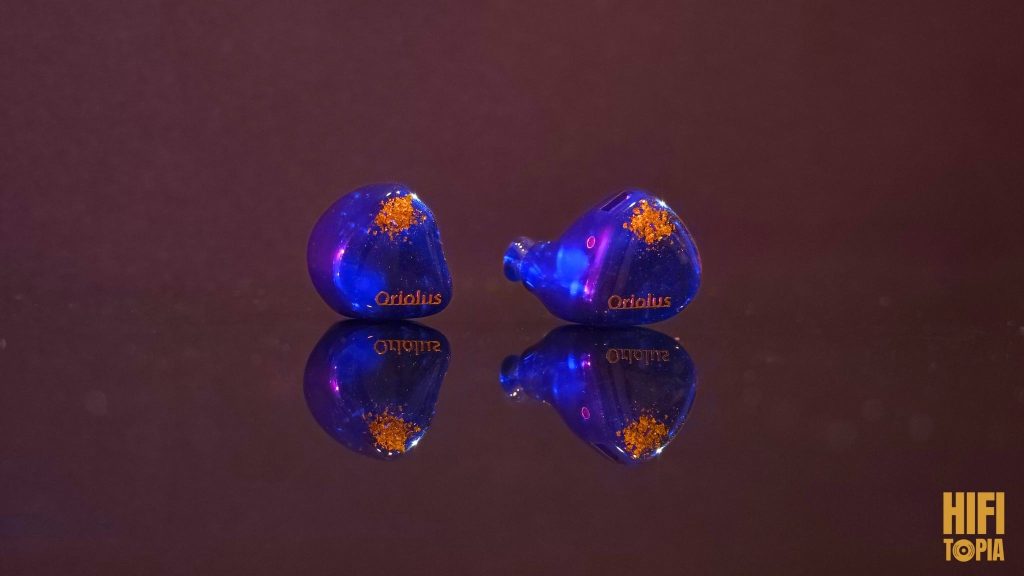
Today I am here with a review that is both very enjoyable and very difficult for me to write. Oriolus Monachaa is here! The technical capacity of this iem, which mesmerizes you with its soundstage, is impressive. Let’s see what else it offers us.
I bought the product myself to write an independent review and add it to my library. I started writing my review after a huge listening time of about 600 hours.
Design & Build
Box Content & The Case
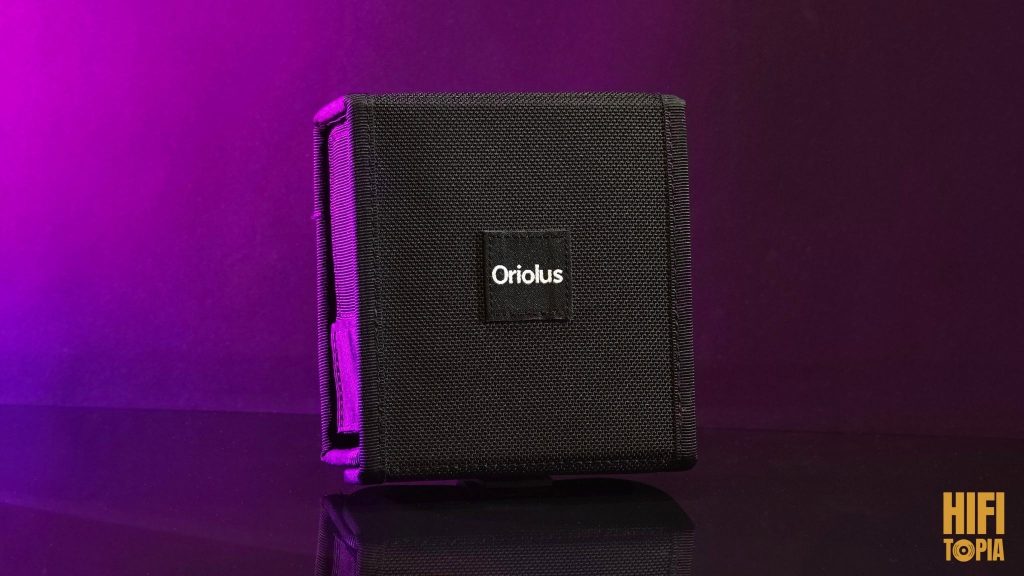
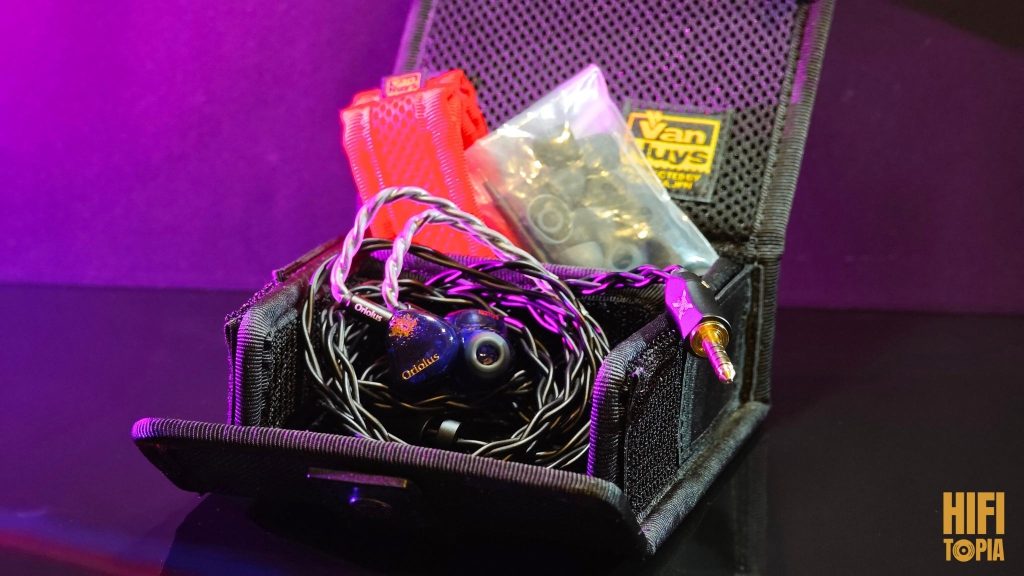
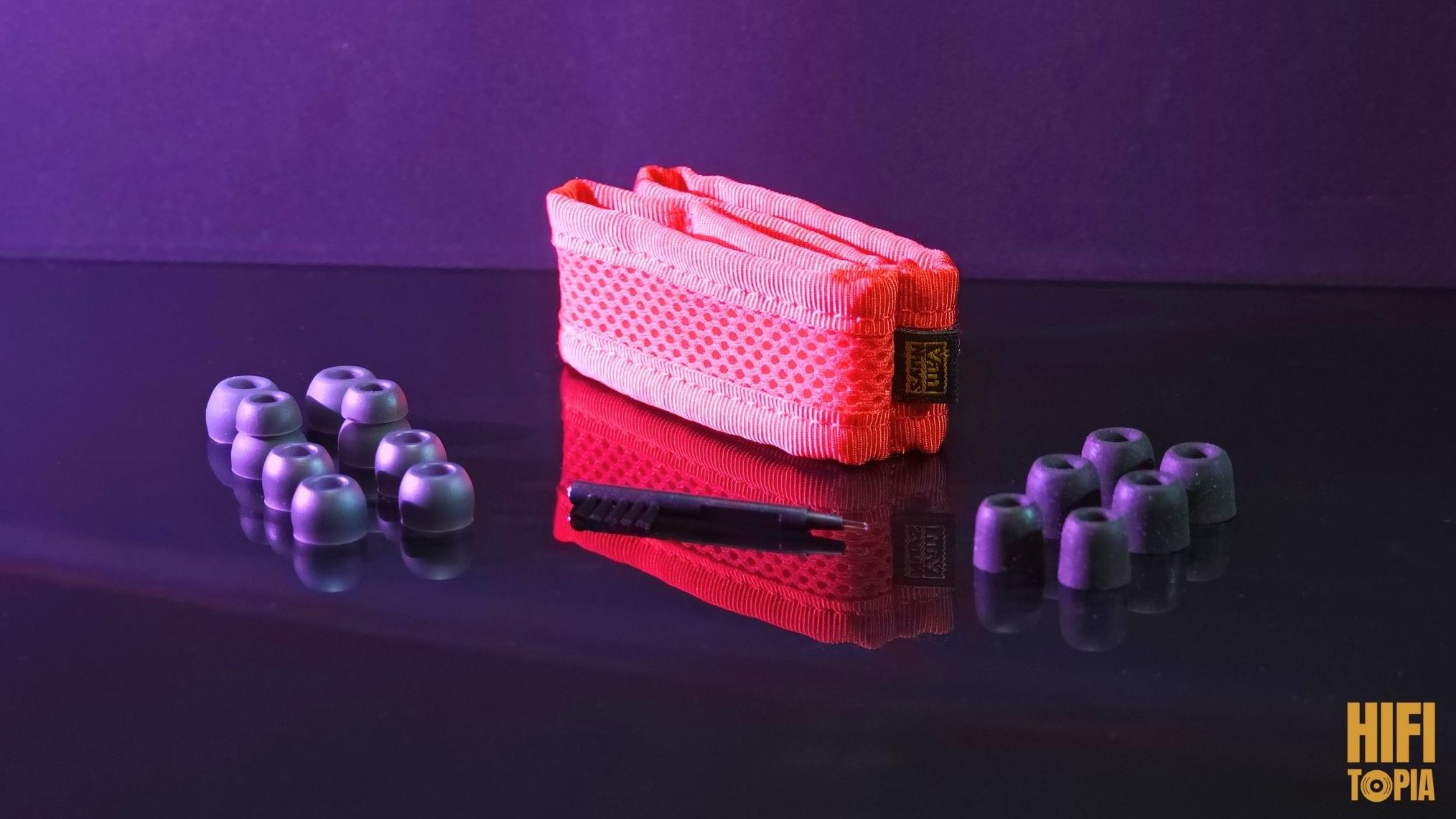
Out of a simple cardboard box comes a highly functional and decomposable hard case. I was excited to see this Vannuys box for Oriolus. This is one of the best boxes you can get together with an iem. Inside there is a separator that can be moved and makes the box into two compartments. All other contents are also included in this box. Monachaa comes with a wide mouth, sponge and layered tips. I love these wide mouth silicone tips, they are very good. Other than that, the box comes with a cleaning brush, a clip and a red thing that I think is a cable separator. Honestly, I still can’t figure out what this red ringed fabric is, but I keep it in the box to keep the two shells separate.
Shells & Cable
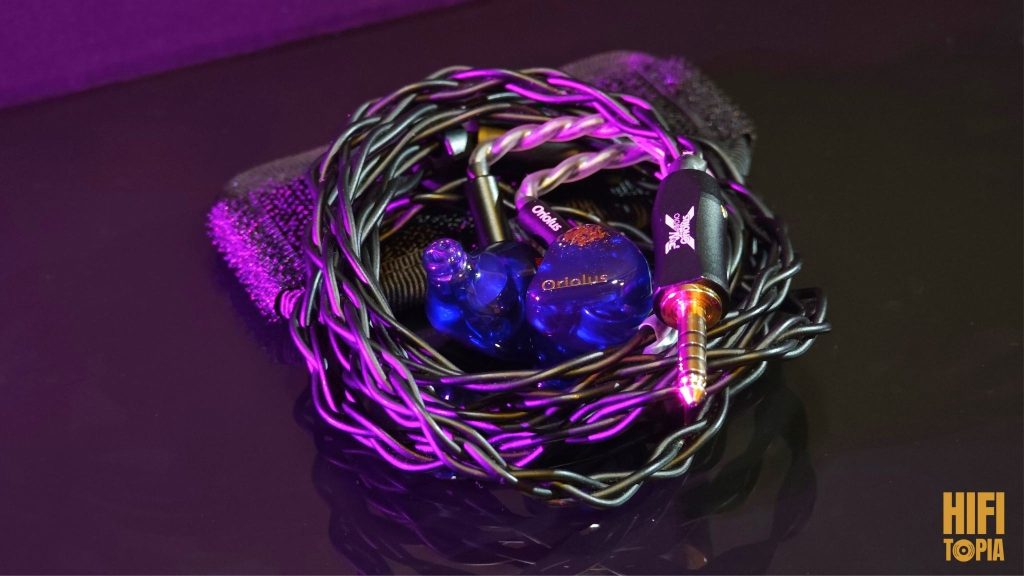
Let’s talk about the best thing that comes out of the box. Oriolus Monachaa and its PW Audio cable. This incredible copper cable is on par with many $1000 cables you can buy on the market.
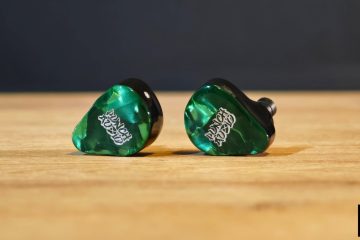
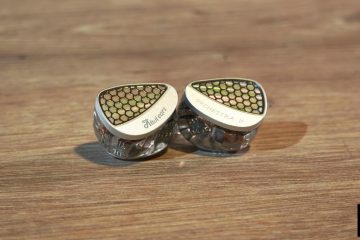
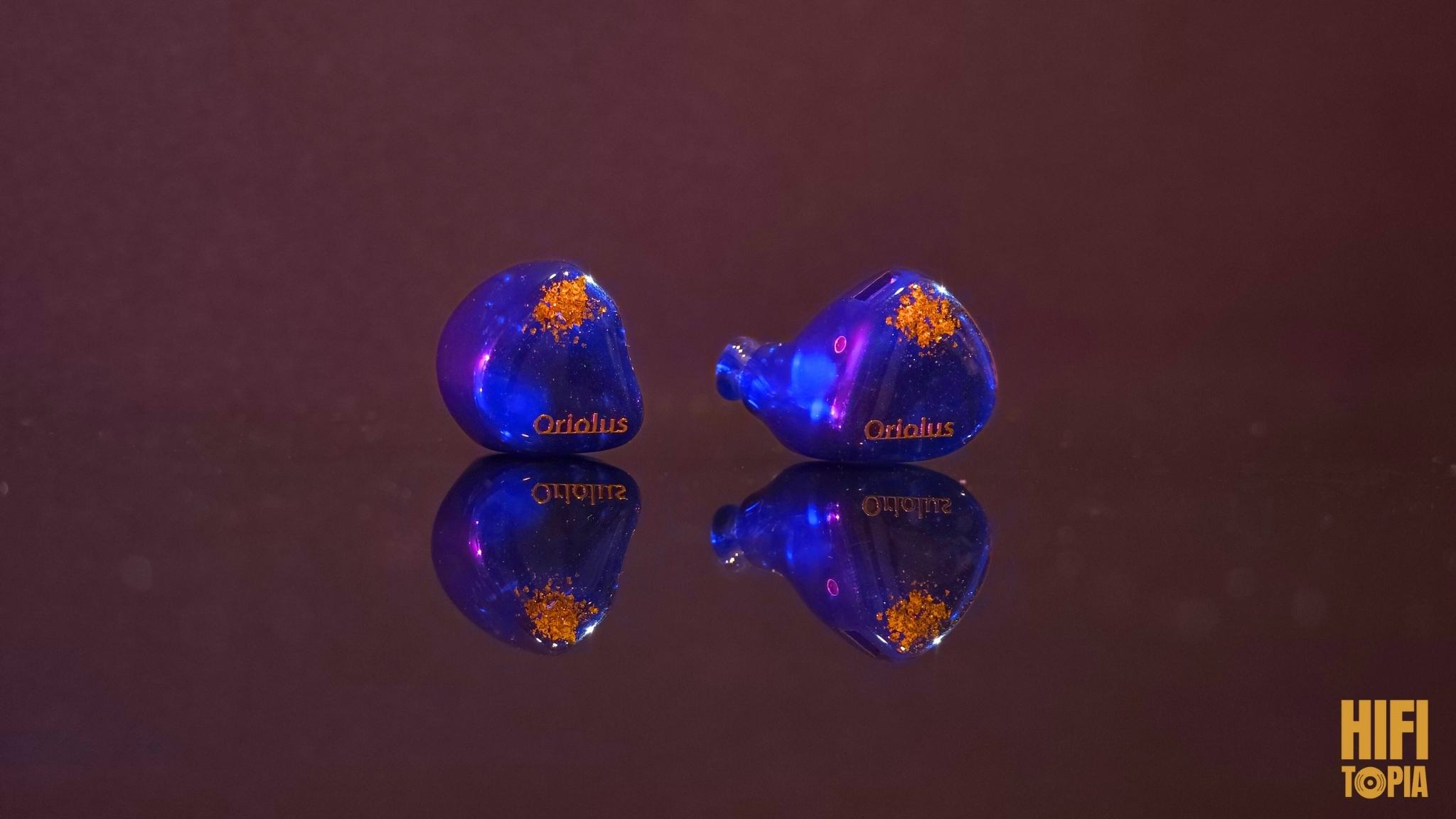
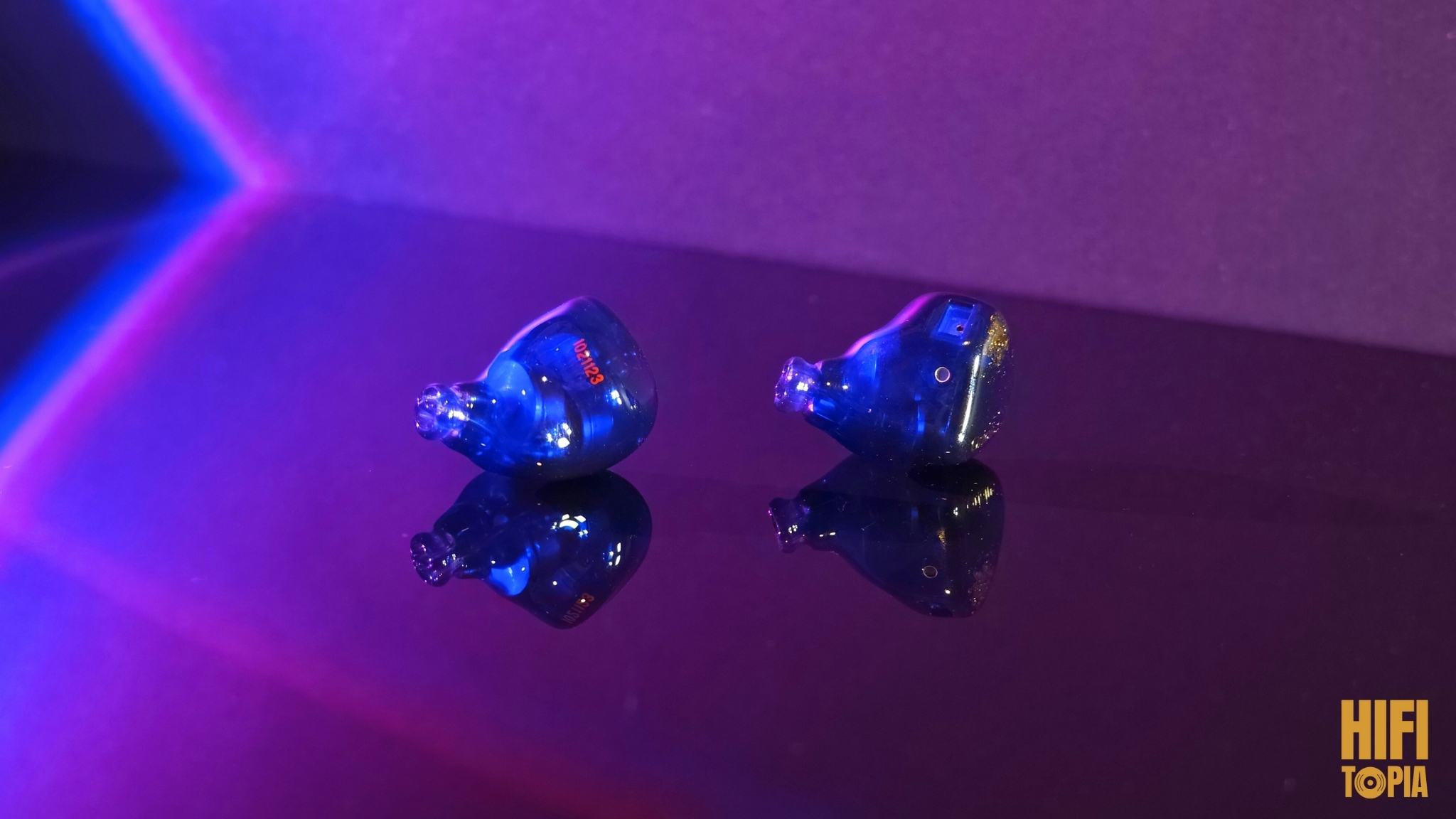
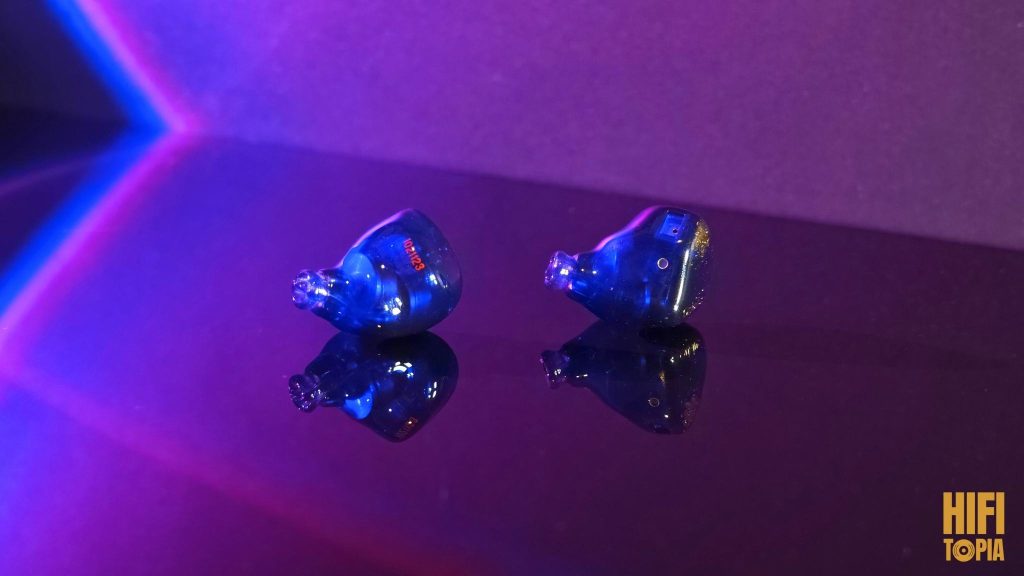
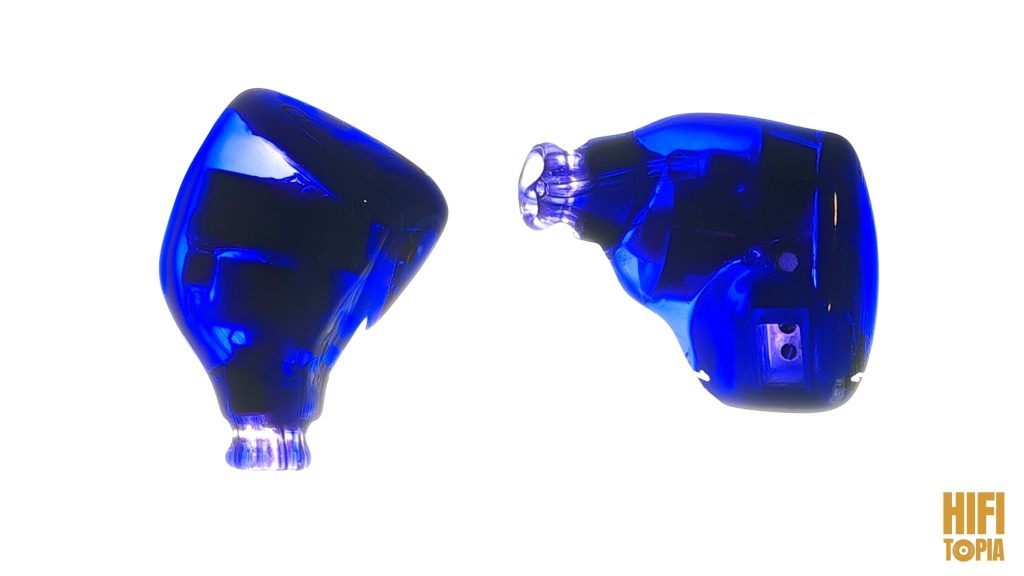
The shells are transparent purple and the drivers are visible, which is very nice. The comfort of the enclosures is very good and the isolation is average for this price point.
Amidst all these great things, there is a very serious problem. I think the in-shell ventilation is done in such a way that it doesn’t cover all the drivers, which is a common phenomenon, especially with drivers related to the lower frequencies. When you put it in your ear, you hear the cit-tic sound of the film holding the driver diaphragm. It doesn’t happen all the time, but when it does, you feel this tiny pressure in your ear. I think it’s a defect of necessity and, as I said, it doesn’t happen all the time. It usually happens in that split second when I’m trying to push the nozzle to the bottom of my keyboard. It’s annoying, but it’s not a fatal problem. I’m going to deduct points for that though.
Synergy
Oriolus Monachaa has a very unique tonality. It’s too unique to be described in stereotypes and it has some tricks. But it is also unforgiving of every source. For example, with Hugo2, which plays quite hard, a very tiring sound emerged. It was technically incredible but very difficult to listen to sustainably.
Monachaa is an iem that I think there is no need to play around with cables and tips. It already comes with a PW cable. As for the tips, the best tips that can be used in addition to wide-mouth silicone stock tips are JVC FX10s. The FX10 tips helped Monachaa a lot in taming the upper treble and did it by being “wide-mouthed”. I hope you understand what I am talking about.
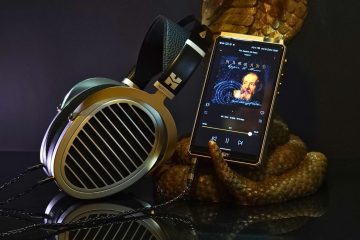
Oriolus Monachaa With iBasso D16 Taipan
The iBasso D16 Taipan adds extra body and an analog timbre to the sound while keeping the Monachaa’s upper highs in control. This is great, because a natural, u-shaped, slightly cold-sounding iem with superior technique like the Monachaa needs to be fun. Moreover, this pairing captures a great imaging with both devices being very strong in terms of soundstage. Without further ado, my score for this pairing is 9.7/10
Oriolus Monachaa With Astell Kern KANN ULTRA
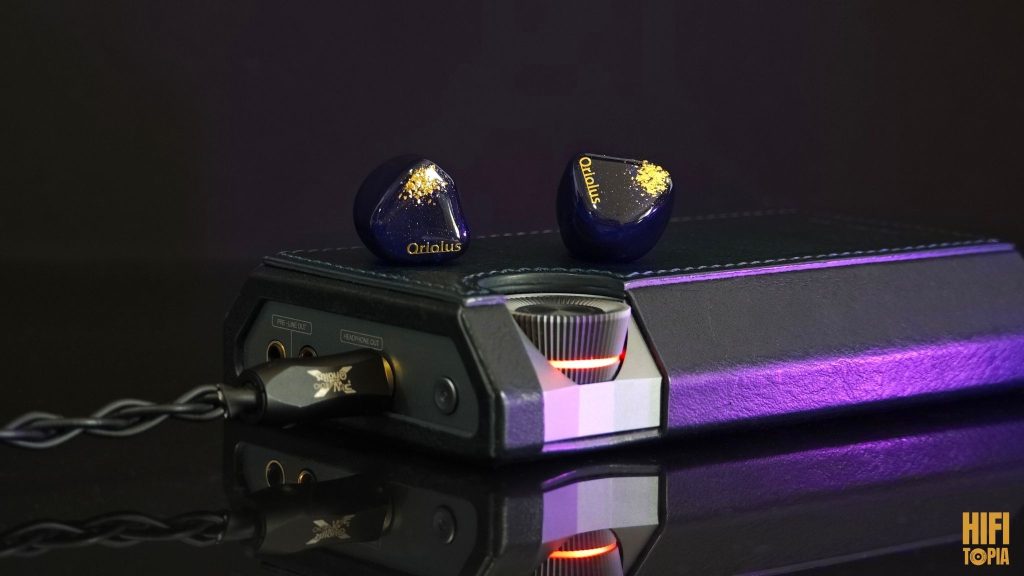
What I love about this combination is that the Monachaa has a upper treble – oriented iem and transparent mids, while the KANN ULTRA has a midcentric sound and always brings the vocals to the forefront. The result is a sound that works wonders in multi-instrumental and polyphonic music. The first moment I realize this, I put on Awaking the Centuries by Haggard, which is also the title of the album it’s on. This album is about old Europe, the prophecies of Nostradamus and the pestilencia, but it also features a wide variety of instruments. What do I hear? I hear a natural and clear sound, a very wide soundstage, an exquisite positioning with great imaging ability. The body of the male vocals, both tenors and baritones, is just right. This pairing is also perfect for jazz, blues and rock recordings. My rating is 9/10.
Oriolus Monachaa With Astell Kern SE300
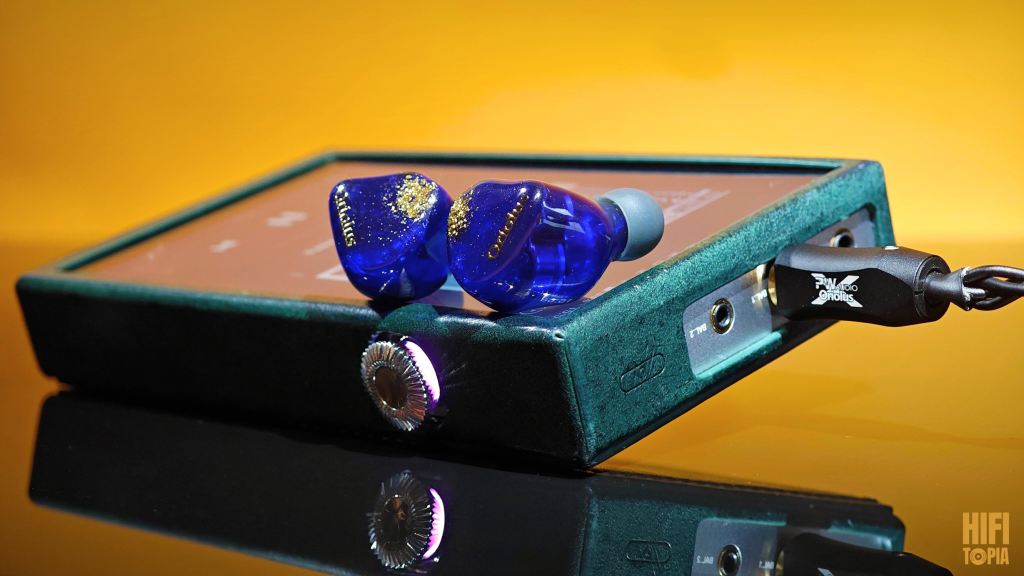
Listened through 4.4mm in OS mode and A class amp. A nice but not perfect result of two great sound products. They sound great on their level, but they don’t match 100% tonally. This is because the slight coloration in the treble of the A&futura SE300 falls in the same region as the foreground treble of the Monachaa. So the resulting presentation may be a bit high-pitched for some. Nevertheless, this pairing is very pleasant to listen to because the rest of the spectrum has good synergy. I loved the guitar timbre on the tracks I heard with the Astell Kern SE300 and Oriolus Monachaa. All in all, these two are still a good match and very enjoyable, just not perfect.

Oriolus Monachaa ($2000) vs Campfire Audio Astrolith ($2199)
The giants are clashing.
They are quite different iems in terms of tonality, both are challenging in terms of synergy, but finding the right source device for Campfire Audio Astrolith will be more difficult. Monachaa requires significantly more power. Both have excellent technical performance and high detail retrieval. In this sense, it is safe to say that the resolution levels are close to the same. Astrolith is slightly faster. Monachaa has better control over the overall sound. While both have similar soundstage width, Monachaa stands out in 3D staging with its deeper soundstage. Overall, Monachaa is more laid back while Astolith is more intimate. In terms of timbre, Monachaa dominates Astrolith by far.
Sound
Tonality & Some Technics
4 dynamic drivers. 3 of them are dynamic as we know it. One of them is a square-shaped dynamic driver that I’ve only seen in Monachaa until today. I don’t know if it’s because of the dynamic drivers but the burn in process took too long this time. On top of that, it’s not an easy iem to drive, you need a dongle with above average power or a DAP to feed it.
I think Monachaa has a very special tone, it’s U-shaped but the highs are a bit more forward. It’s not annoying but it adds a certain coldness to the sound towards the top. There’s a bit more extension in the upper treble reaches than there should be, even though the air frequencies are realistic, it’s over-extended by a tiny margin.
The Oriolus Monachaa is radically instrument-oriented compared to the mainstream. It easily gets aggressive with multi-instruments. It does this both with a U-shape customized sound profile and with very good separation and soundstaging. That’s what I mean by unique, the Monachaa is an iem with a combination of features that you don’t see together. The overall color is cold but balanced; the mid-basses are lighter than the sub-basses and the cymbals are in focus on most tracks. The sub bass is noticeably louder than the mid bass and the overall bass is light, but the note weight in the instruments saves the day. In general the bass is fast and very deep. You can feel this both when listening to hip-hop and on the thick strings of the double bass.
The mid-range is very well balanced in itself, with vocals and instruments having similar levels of intensity but separated by significant breath gaps. Sounds in this area are very vivid and realistic. The timbre is realistic and emotional regardless of tonality, thanks to the influence of high-level dynamic drivers and physical cross. What it does best in this area may be the acoustic guitar. You can feel the realism and emotion in the timbre best in the vibrations and tensions in the strings of an acoustic guitar.
Pure Technique
At this point, the situation is very clear for Monachaa. A completely homogeneous and monolithic technical distribution. This is what makes the timbre so realistic. Many of you may find the tonality a bit cold or unconventional, but the naturalness of the instruments and the realism of the timbre are undeniable. In fact, if your judgment criteria is only tone, you’re not the person to pay $2000 for an iem.
So is that all Oriolus Monachaa does? Nah, I’m just getting to the best part: Monachaa is one of the best when it comes to voicing. It excels in scene width, depth, separation and layering. In terms of positioning it is average. All this makes his imaging ability very superior.
Now for the standard metrics. Resolution and detail retrieval are above average by a nose in this price band. That’s enough to say it has serious technique, but add to that the texture and isobaric frequency response: Monachaa is technically very successful.
Last Words
It’s not for everyone. We have to accept that first. Oriolus Monachaa is not for those who like warm sound, who want plenty of midbass, who want a big bass or who cannot tolerate even the slightest treble boost. You know what I’m saying? Monachaa is for audiophiles! With a DAP like the Se300 or ZM2, Monachaa will blow an audiophile away. Monachaa, which shows its talent with what it does throughout the spectrum, is the subject of preference with its tonality while it is wonderful with its timbre and technique.