Profiles: HSP, HFP, A2DP, AVRCP
Chipset: BES2710
Supported Bluetooth Codecs: AAC, SBC, LDAC
Earbud Battery: 45mAh × 2
Charging Case Battery: 450mAh
Charging Time (Earbuds): 1 hour
Charging Time (Case): 2 hours
Charging Port: Type-C
Total Playtime: 30 hours
Single Earbud Weight: 5g
Charging Case with Earbuds: 55.5g
Control Type: Touch
Waterproof Rating: IPX5
Total Score
Introduction
Greetings to everyone in the last week of April. Today, we’ll be reviewing a product that’s a bit out of the ordinary. Designed with an innovative approach for various purposes, this wireless product is the Soundpeats Clip1 model.
Let’s see if the well-designed and forward-thinking Clip1 will satisfy us in terms of sound quality.
The product I’m reviewing was provided to me by Soundpeats. We thank them for supporting independent reviews and adhering to our principles of integrity.
Design & Build
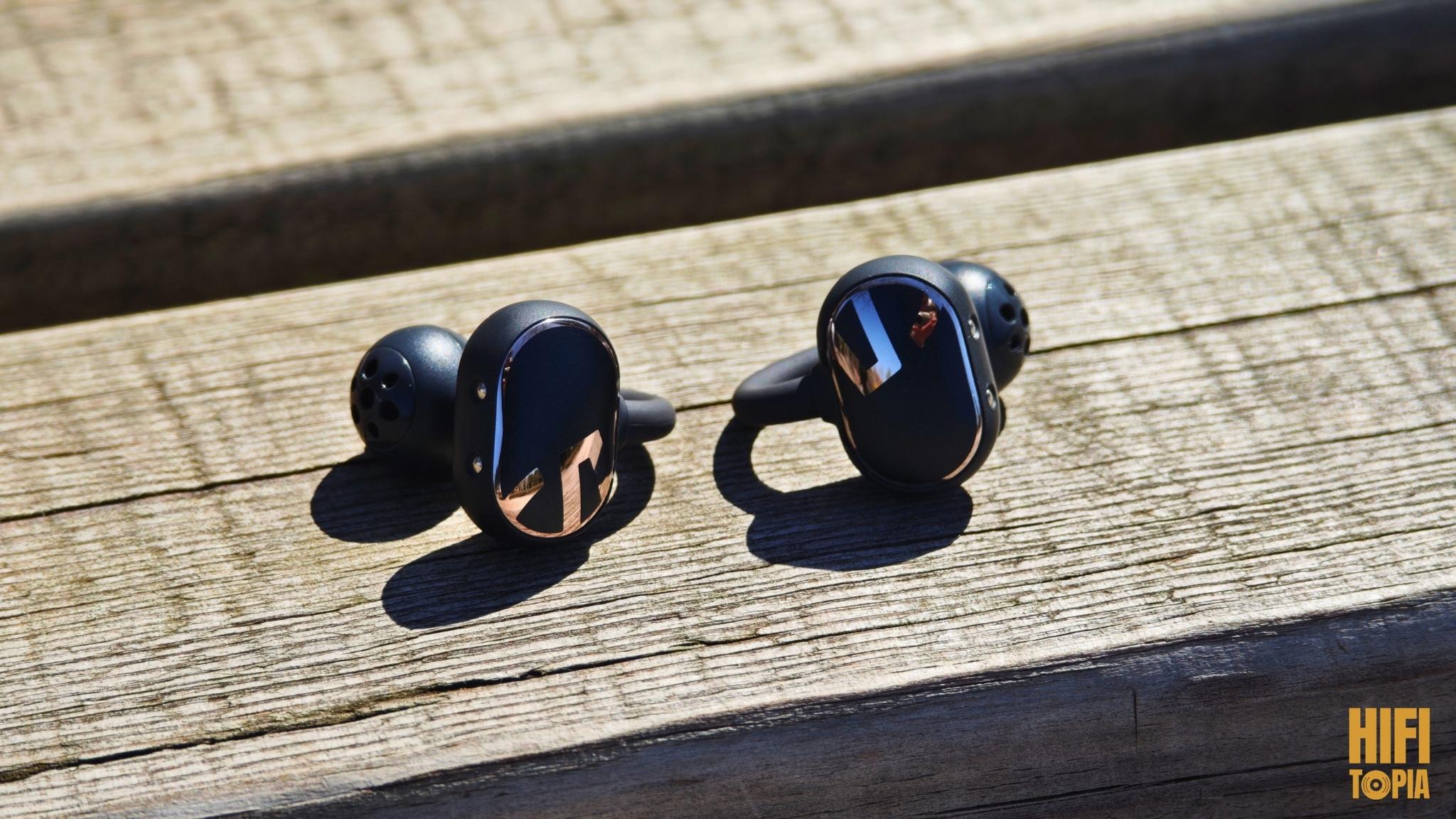
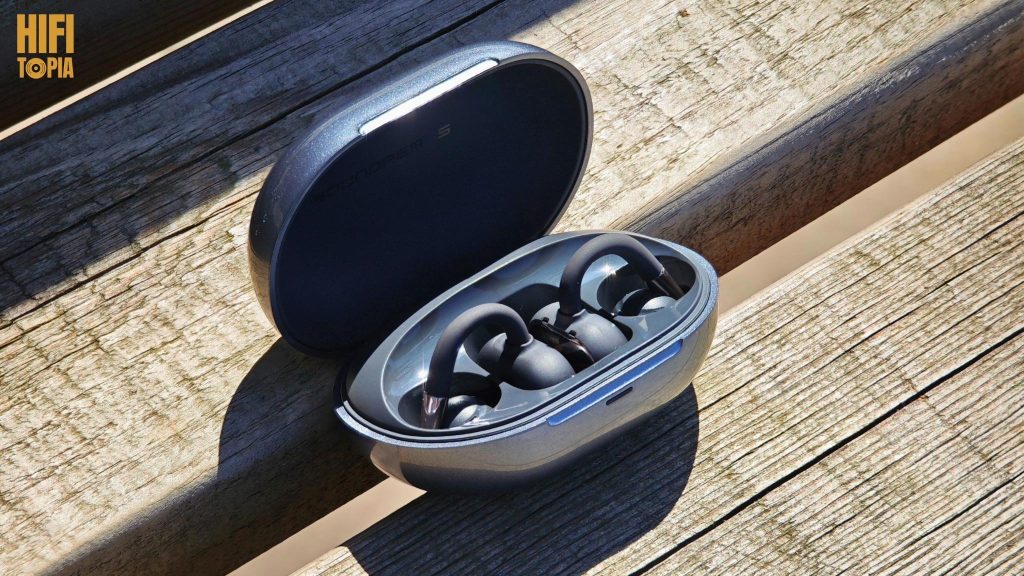
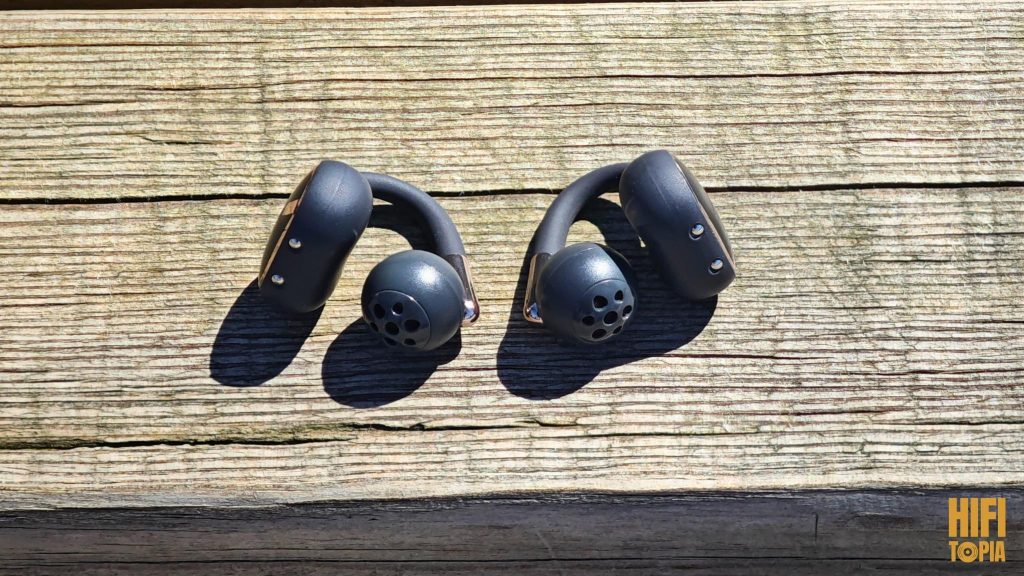
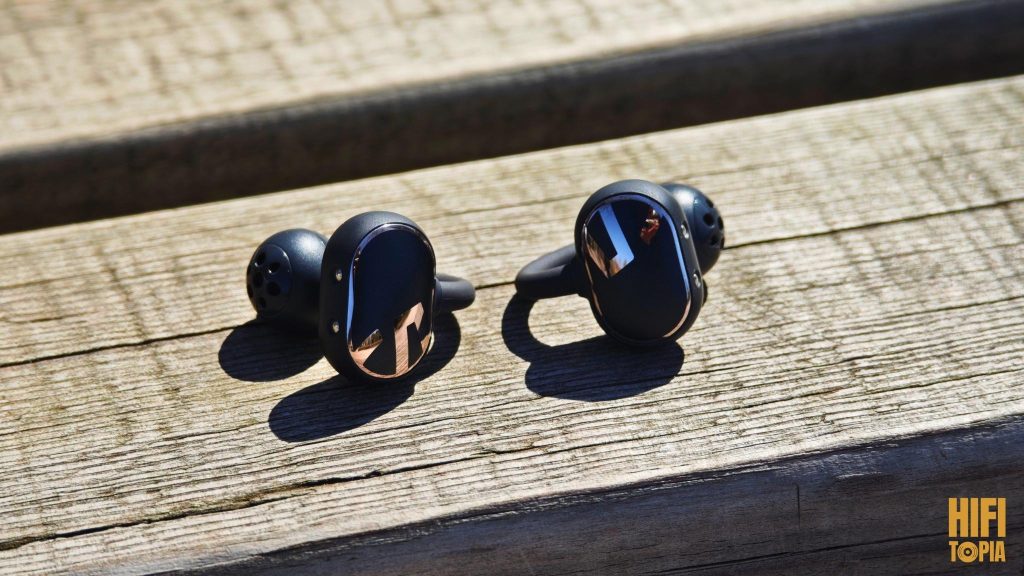
As the name suggests, Clip 1 features an “ear-ring” design that clips onto the ear. With a body weighing just 5 grams and a flexible titanium shape-memory wire (N-Flex Arch) construction, it’s designed to feel as if it’s not even there. Clip 1 will be categorized as TWS, but it’s actually an open-ear headphone (OWS). With its unique design, it’s intended to serve a different purpose than standard TWS earbuds. It’s a product developed for those who want to stay connected to daily life without missing out on their music.
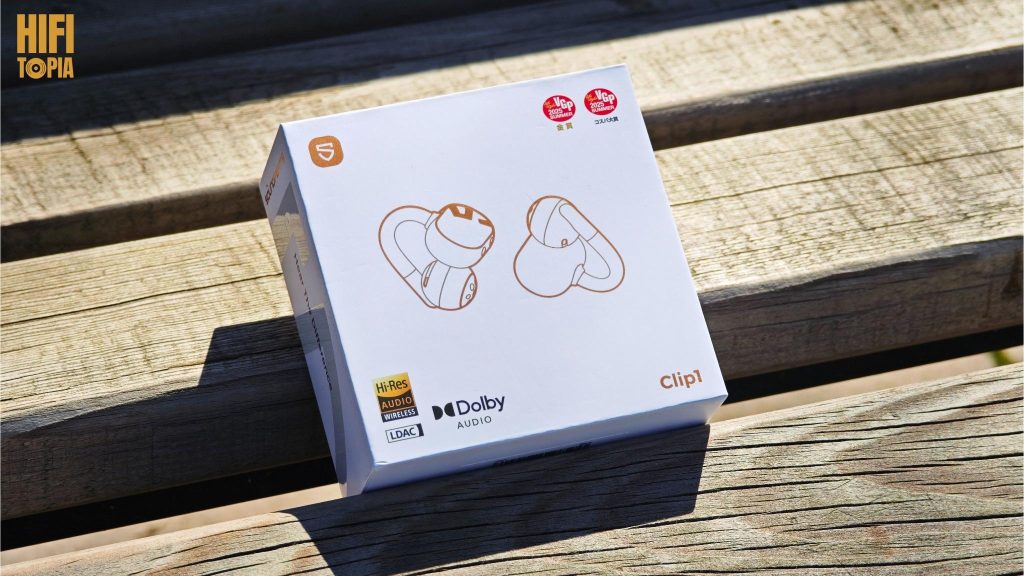
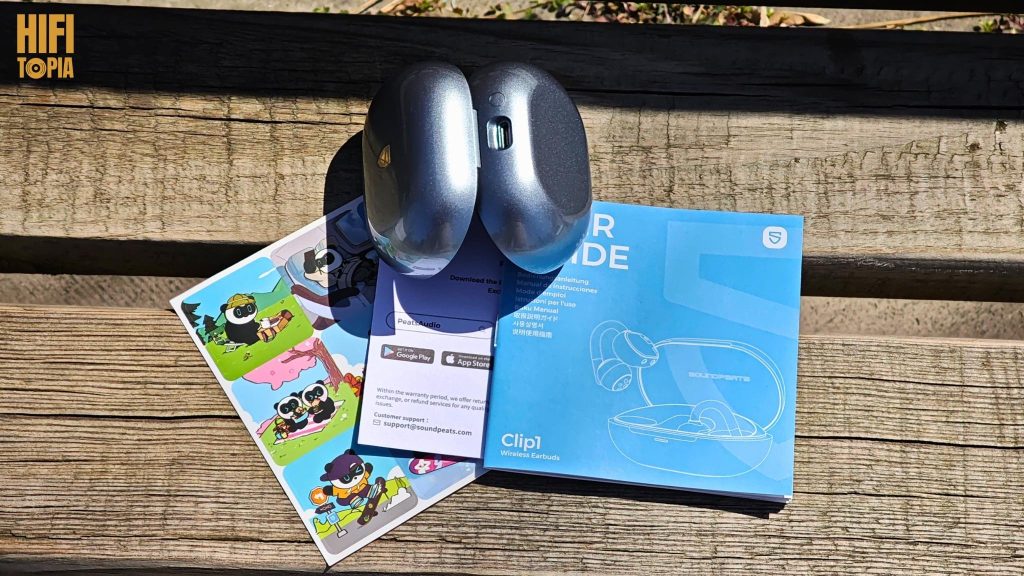
The box contents are simple, which is actually normal for a silicone-free earbud. Inside the box, you’ll find a charging cable, stickers, and a user manual.
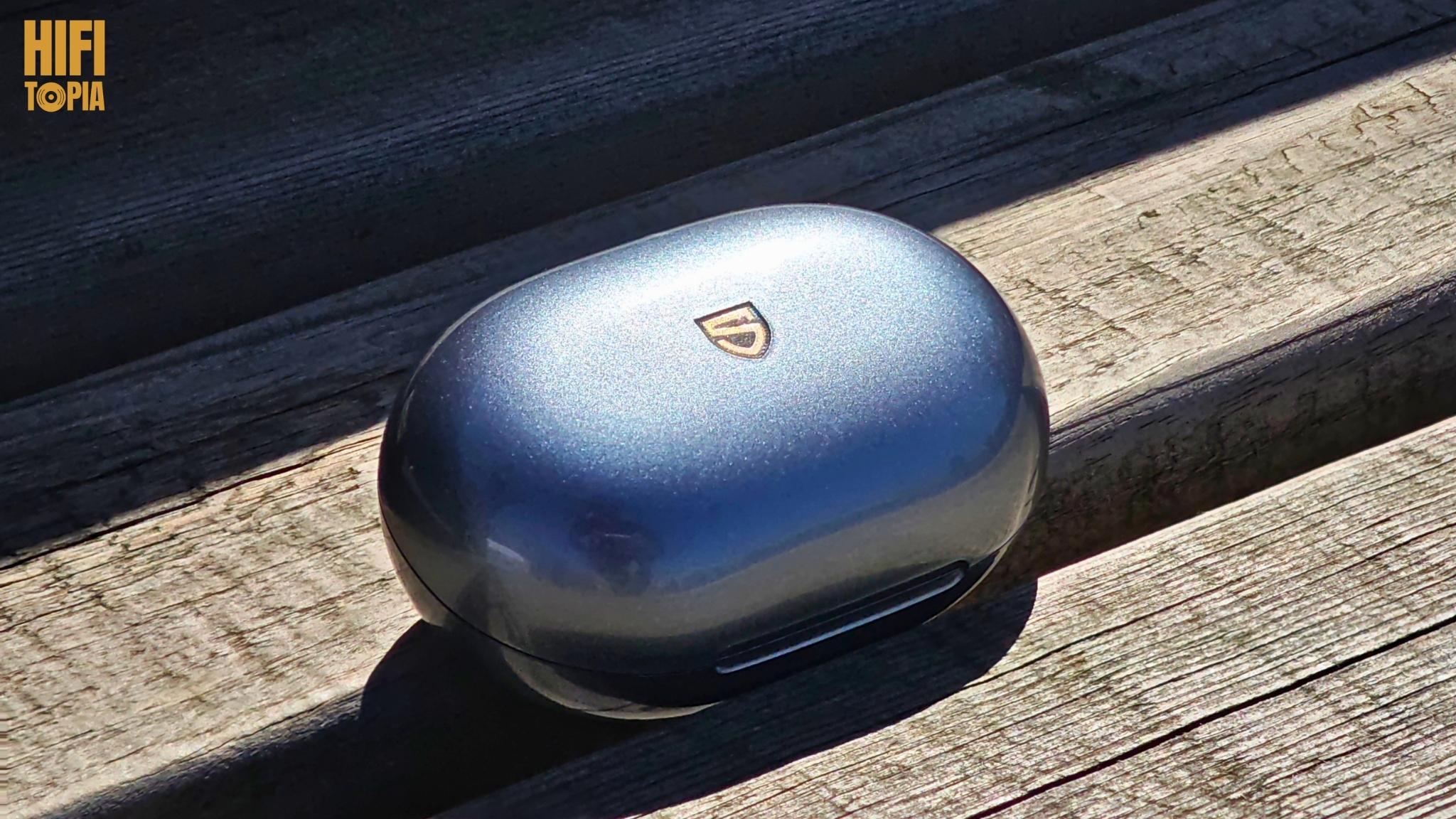
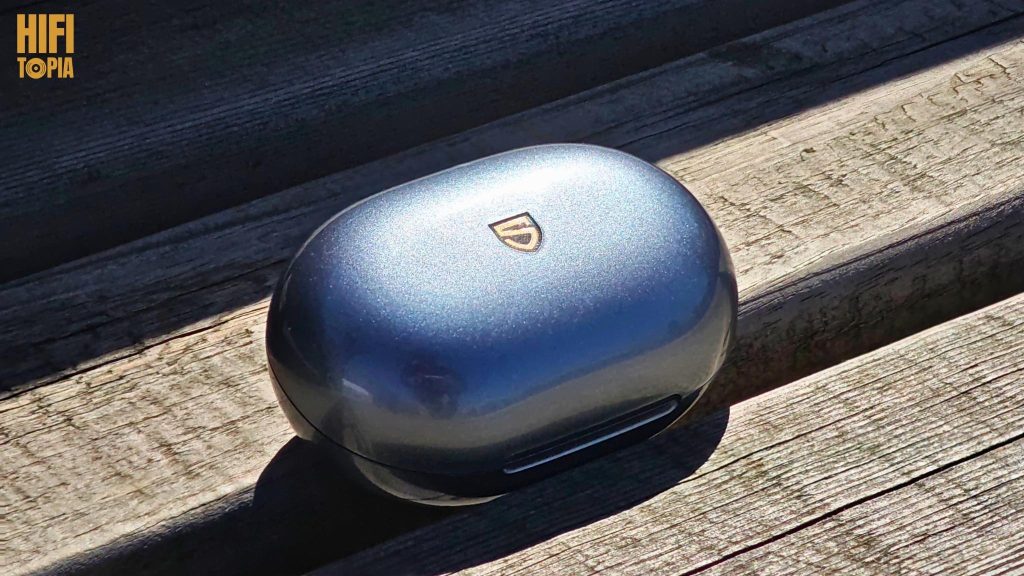
The ear hooks are made of soft silicone, and the overall build quality of the earbuds is quite satisfactory. The charging case features a sleek design and a sturdy hinge. The section housing the speakers has a wide nozzle and a seamless, high-quality appearance. This section houses a 12mm dynamic driver.
Technology
As always, Soundpeats backs up its product with an excellent app. The device’s technological foundation is far more robust than its name suggests. It features a Bluetooth 5.4 chip and supports the LDAC (990 kbps) codec. Additionally, the PeatsAudio app offers Dolby Audio support and customizable EQ options. Battery performance is quite competitive, offering 8 hours on a single charge and a total of 40 hours with the case. Multipoint (dual-device connection) support is available, but you’ll need to disable this feature when LDAC is active.
Here’s how the technological features translate to real-world use: First, the music pauses when you remove the earbuds from your ears. This is a feature we typically see in high-end TWS models. Beyond that, the touch controls are noticeably sensitive and work reliably. In this context, I thought that since there aren’t many features to highlight regarding sound and noise isolation, they’ve focused their efforts on this aspect. It turned out well.
The most “Why didn’t anyone think of this sooner?” and life-saving feature of the SoundPEATS Clip 1 is definitely AutoSense; because with clip-on designs like this, having to check which side is right and which is left is a total waste of time. This smart channel adaptation technology instantly detects which unit is where the moment you put the earbuds in your ears, and if you’ve put them in backwards, it digitally swaps the stereo channels in milliseconds, eliminating the hassle of setup entirely. At first, I was frustrated that the R-L distinction wasn’t clearly labeled, but once I learned about this technology, I was blown away.
Call Quality
When it comes to call quality, the well-known physical limitations of the open-ear design (OWS) are evident here as well; in other words, don’t expect miracles, but the dual-microphone AI noise-cancellation system (ENC) performs quite well at home or in the office, clearly bringing your voice to the forefront. When you’re out and about, especially in windy conditions or heavy traffic, the AI algorithm might get a bit too aggressive in filtering out noise, slightly “digitizing” your voice—but it doesn’t compromise on intelligibility; even if wind noise comes through as a bit of static on the other end, it ensures you can finish the call without the other person asking, “What did you say?”
Sound
In this section, I won’t delve into a deep technical analysis as I would with other earphones because our goal here isn’t critical listening, it’s everyday use. With that in mind, the first thing I’ll mention is that the sound changes significantly depending on how you position the earhook in your ear. If you wear them too high, you’ll get a thin, muffled, and faint sound. If you wear them too low and too deep, the sound becomes very intense, muffled, and lacks clarity. That’s why wearing the headphones correctly is important. When worn correctly, however, the sound quality is surprisingly good. It delivers satisfactory sound volume.
During my listening sessions at home in a quiet environment (while taking care to wear them correctly), I was able to enjoy my music while naturally hearing every sound from the outside. Along with the comfort of being silicone-free, it delivers a full-spectrum sound. In other words, there’s no lack of bass or treble. When it comes soundstage, it feels like a slightly unusual combination of a speaker and earbuds, but it doesn’t feel bad. In terms of resolution and detail, it’s quite sufficient if you’ve put them on correctly.
It has a versatile tonal character, producing what we might call a U-shaped sound. It feels spacious; while its timbre resembles that of a media consumption device, it performs well in terms of accuracy.
Last Words
The Soundpeats Clip1 is a great option if you find yourself in a situation where you need open-ear earphones. It’s affordable, features advanced technology, and delivers satisfying sound quality for those without high expectations.
Your expectations for sound quality and your listening environment are crucial here. I’ve never used these earbuds outdoors because using the H3 outdoors makes much more sense. However, I believe the Clip1 performs its purpose effectively when necessary.