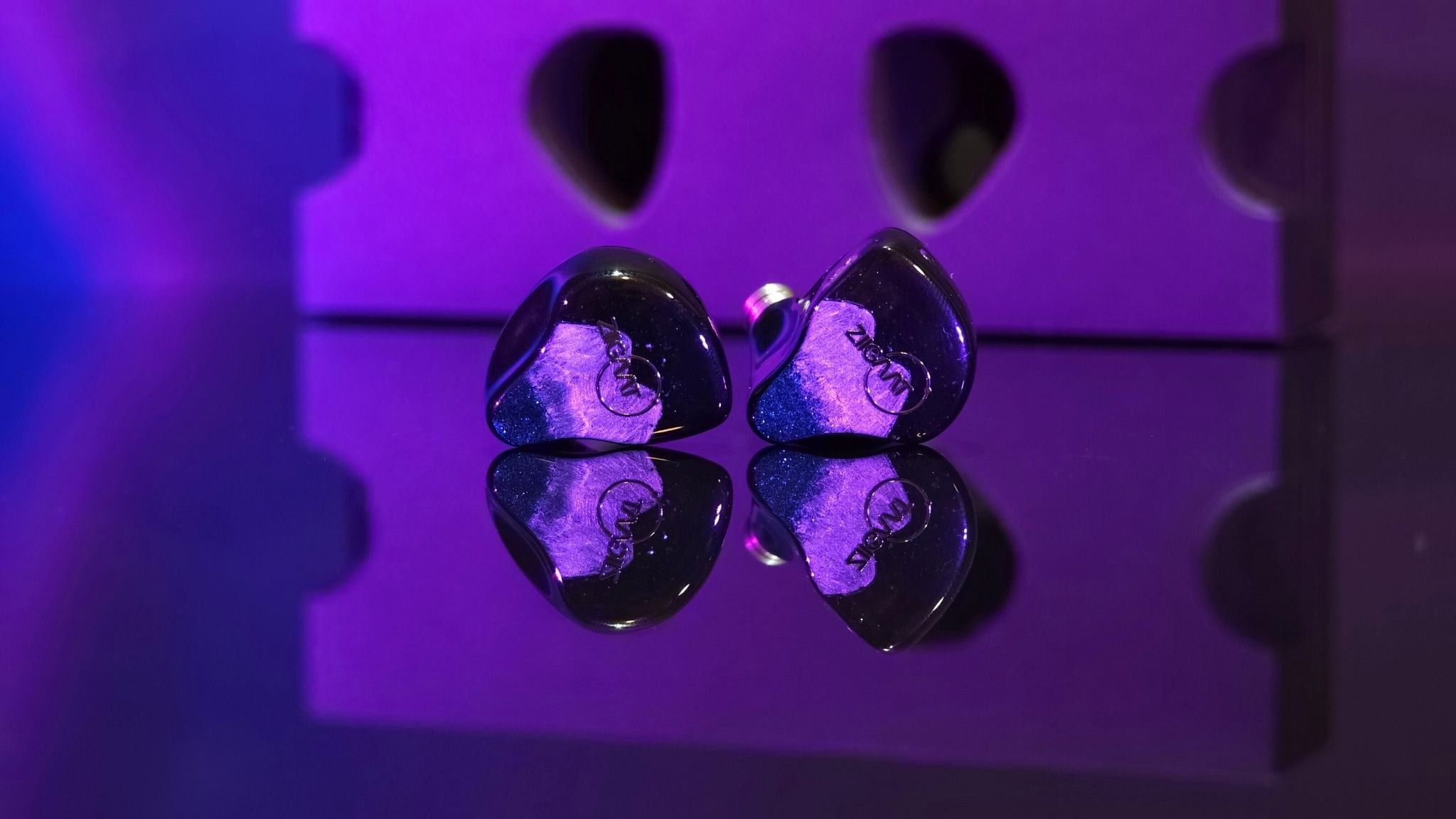
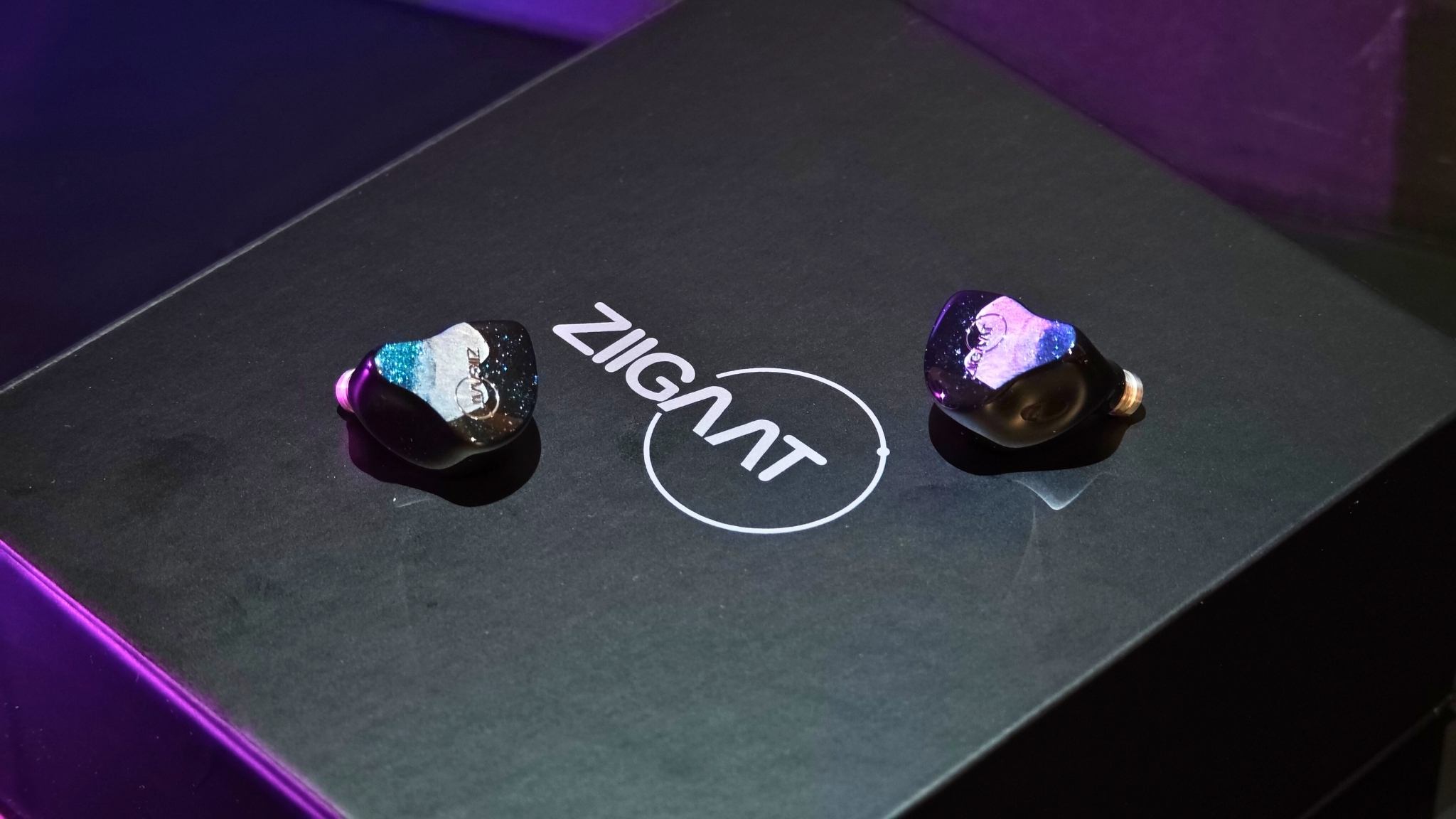
Driver Details:
10mm bio-diaphragm + Knowles 30262-163 + custom composite dual planar drivers
Sensitivity: 102dB
THD: 0.55%
Impedance: 24Ω
Frequency Response: 20Hz–35kHz
Total Score
Introduction
As we approach the new year, I greet you all with love, friends. May the new year bring happiness to all of you!
Today, we will review the Horizon from Ziigaat, a company that aims to produce the best entry-level IEMs in recent times. Let’s see what this crazy IEM can do.
The product in my hands was provided to me by Linsoul for an independent and honest review. We thank them for embracing our principle of honesty and supporting independent reviewing.Before writing this review, I spent approximately 150 hours with the Ziigaat Horizon (excluding burn-in).
Design & Build
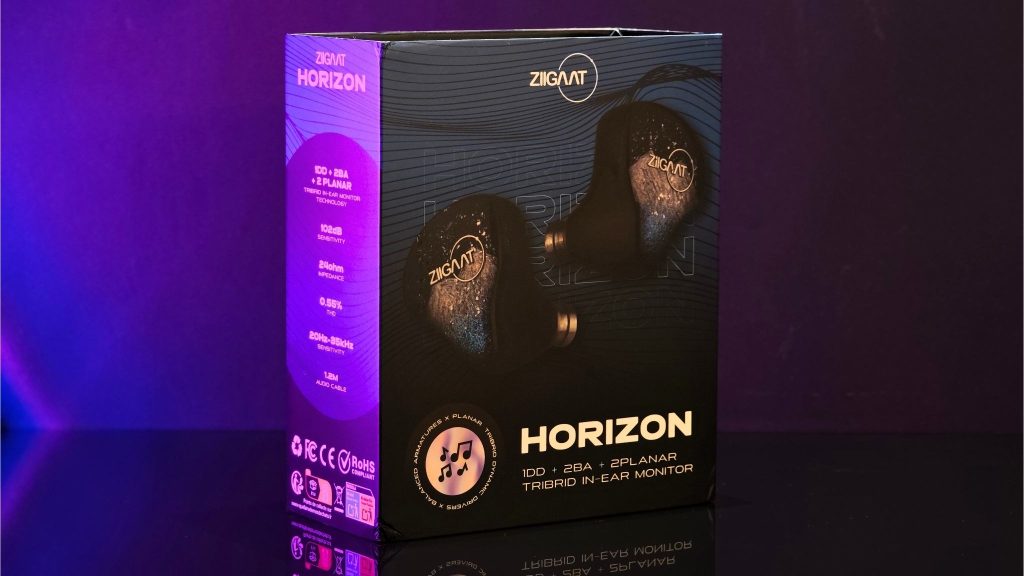
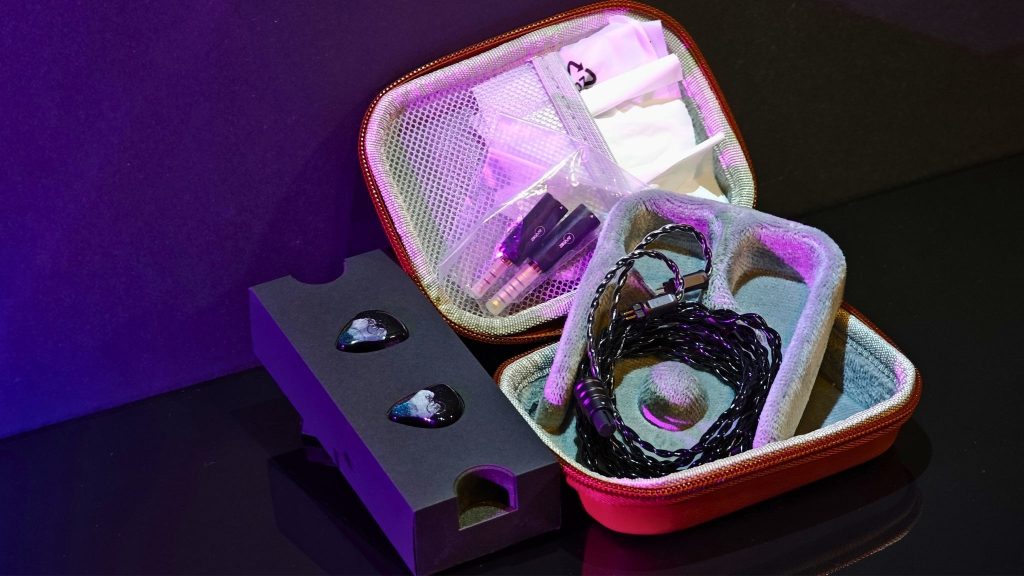
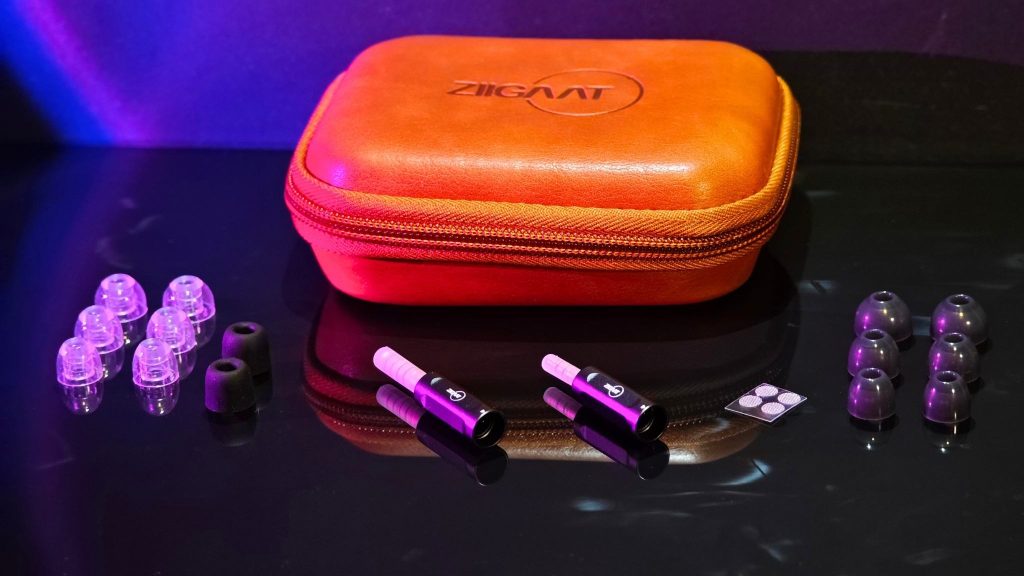
Horizon comes with a box standardized by Ziigaat and a very generous content. This content is almost identical to Ziigaat Crescent. Here’s what’s inside the box:
- Ziigaat Horizon
- 6 × Pairs of silicone ear tips (S/M/L, black and transparent)
- 1 × High-purity braided audio cable (2-pin 0.78mm)
- 1 × Premium carrying case
- 1 × 3.5mm adapter
- 1 x 4.4mm adapter
- 1 × Warranty card
- 1 × Wearing diagram/user instruction card
Shells, Cable, Case, Tips & More
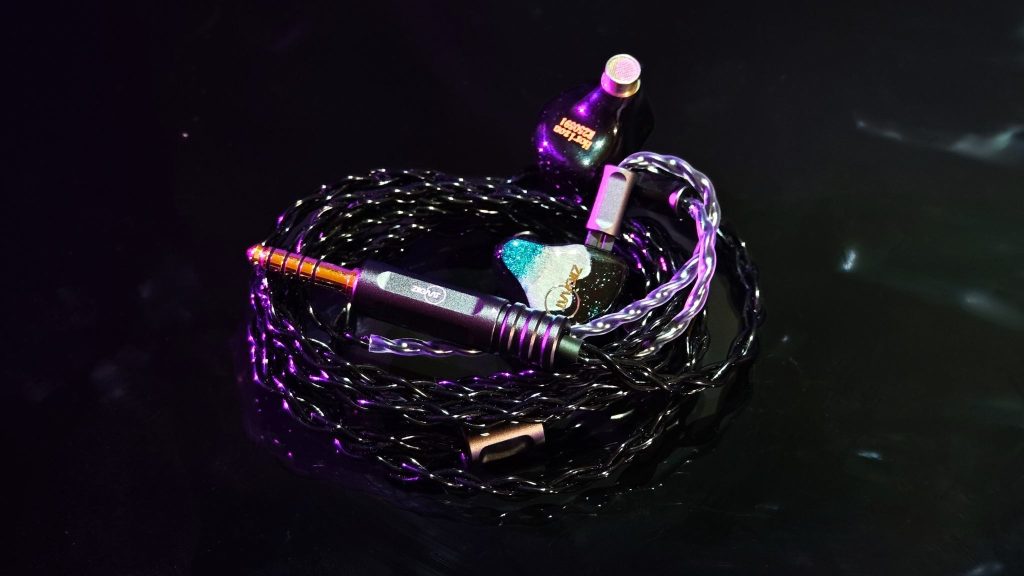
The cable is quite standard and, frankly, the jack is a bit long. But other than that, it’s quite good: thin and soft. It doesn’t tangle and there’s no microphonics.
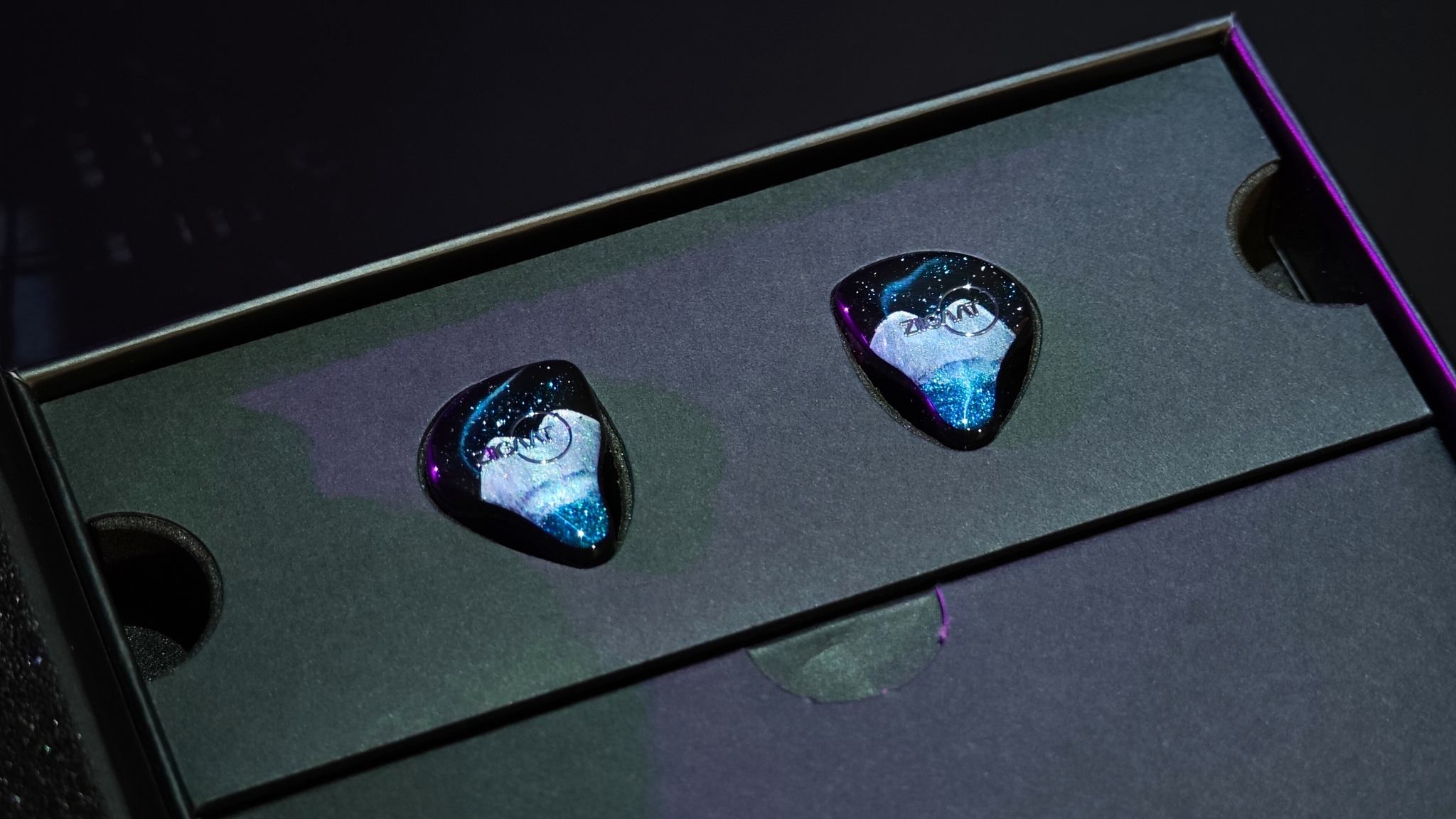
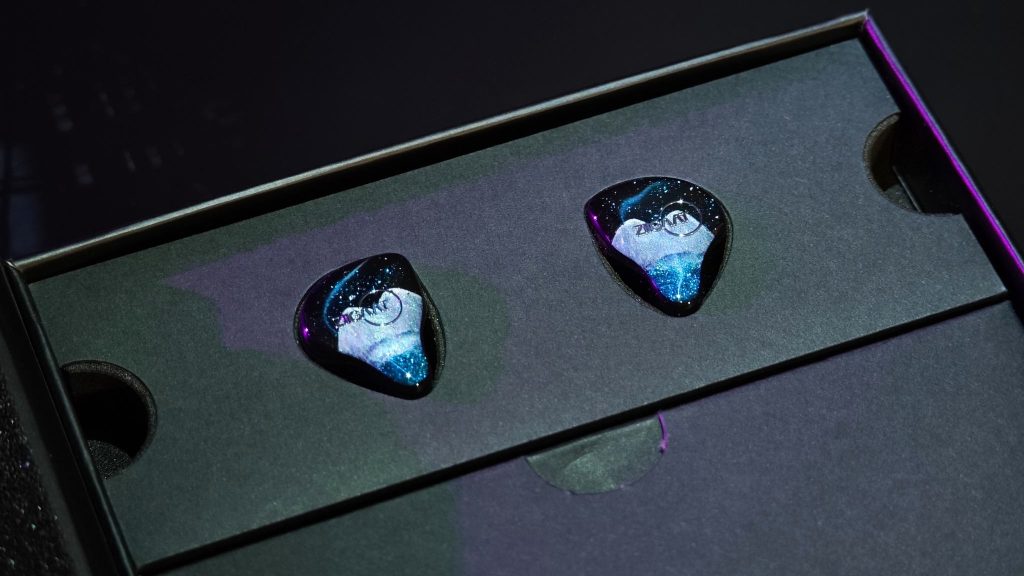
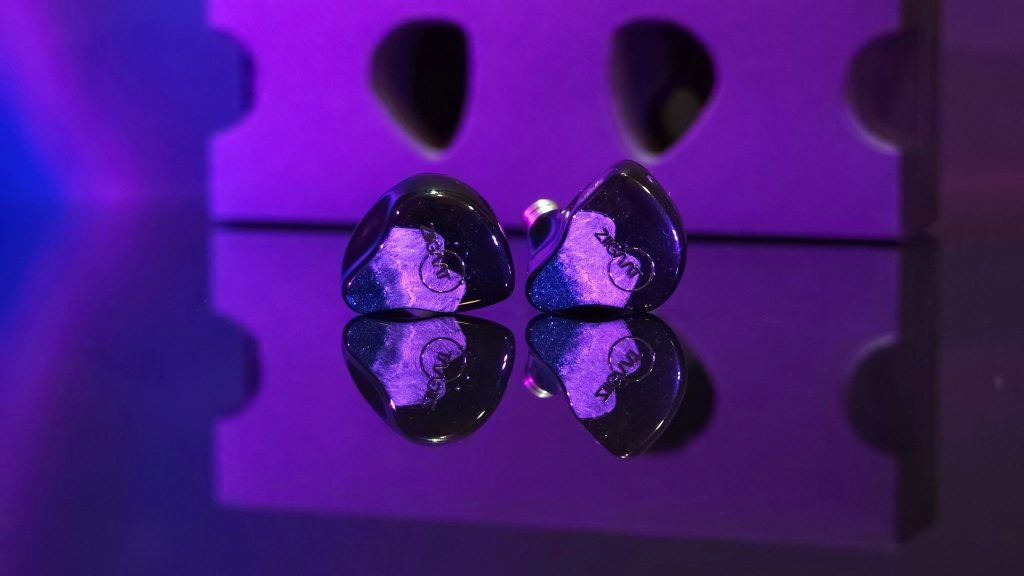
The ear shells are a great size for so many drivers. They fit the ear wonderfully. The isolation is just above average. The faceplate is extremely stylish. The craftsmanship on the shells is flawless and the nozzle size is just right.
Another thing I love is that Horizon comes with liquid silicone tips. Ziigaat must be closely following current demands. It also comes with spare nozzle filters. This is something Ziigaat has standardized, and I appreciate it.
Synergy
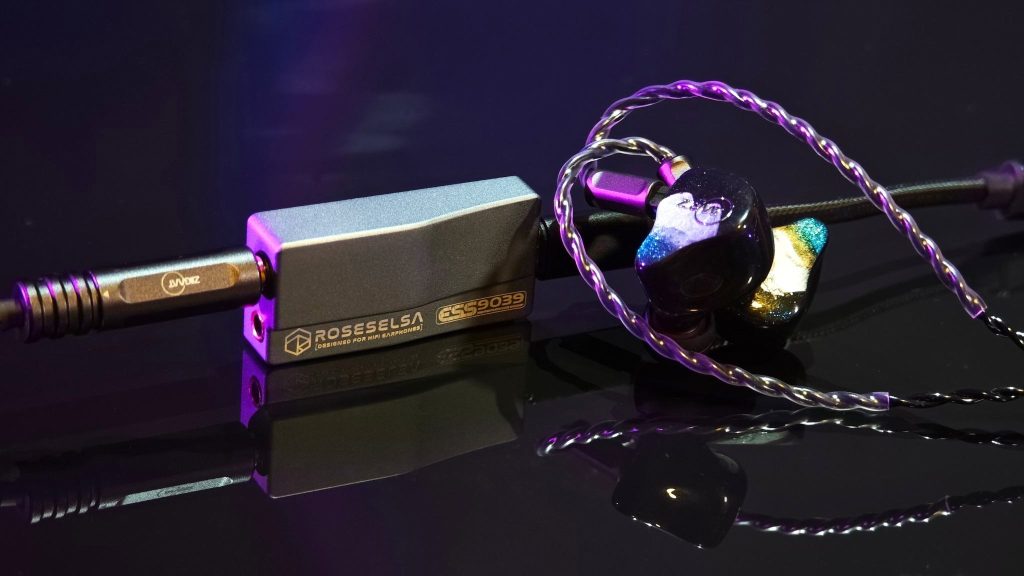
Ziigaat Horizon With Roseselsa RS9039
The only pairings you’d expect to encounter. Simply put, they’re exceptional. Why? Horizon and RS9039 cost you a total of around $400. I can say that there is no other pairing currently available at this price point that will give you this sound.
Technically, it’s close to full performance. Of course, Horizon promises more, but you’re getting 80-90% of what it offers. That’s an excellent ratio. Tonally, you get a balanced, slightly warm U-shaped sound. The entire spectrum, from the lowest frequencies to the highest, is very clear and full. I don’t know of any other set that gives you this much for this price. Easily a 10/10. (I said the same thing last year for the Project M and DC03pro pair, but this duo surpasses last year’s champion!)
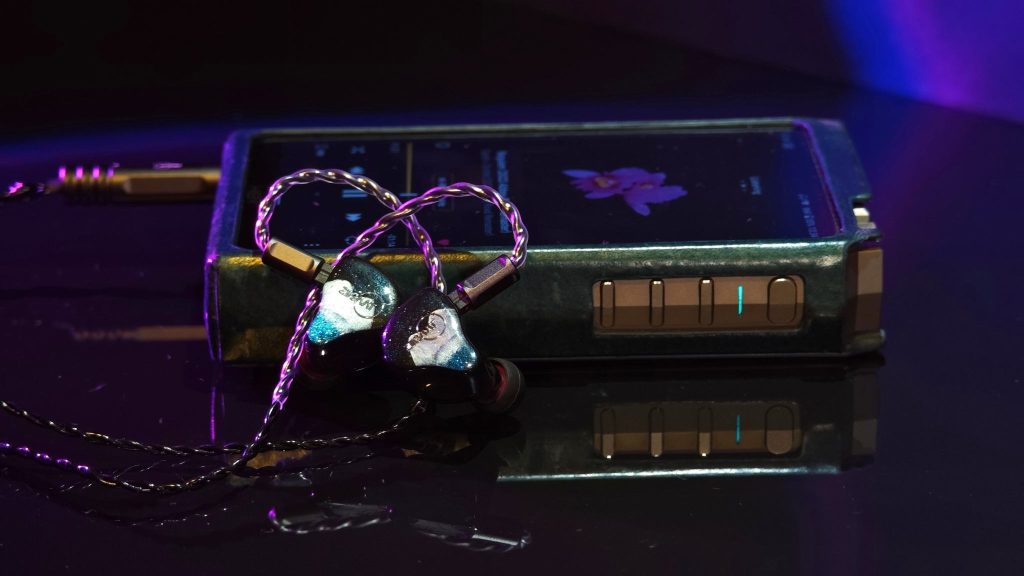
Ziigaat Horizon With Hiby RS8
So how far can it go? The answer to this question will be provided by the RS8, which sat on the throne of the DAP kingdom for 3 years. OS mode, AB class, M gain, 4.4mm:
If you had blindly put this pair in my ears and asked me the price of the headphones, I would have guessed around $1000. Balance, accuracy, technicality, imaging, details… None of these feel like they belong in this price range. It’s incredibly good. Horizon is one of the best IEMs I’ve heard recently for the money.
Ziigaat Horizon ($330) vs Punch Auido Martilo ($330)
This pairing is a bit unfortunate for Martilo, but it also shows how good Punch Audio Martilo is outside of bass. Ziigaat Horizon is a very competitive iem that plays above its price and has a forgiving U-shape sound profile. The Punch Audio Martilo, on the other hand, is an iem made for the taste of bassheads and V-shape lovers and does so with very good balance and correct technique.
Beyond this tonal difference, these are two iems with similar prices and techniques. However, Horizon’s technique is slightly better overall and its tonal consistency is naturally higher. Martilo, on the other hand, has a rare fun factor and crazy bass.

Sound
Writing this section will be quite enjoyable for me. It’s been a long time since I’ve listened to an IEM in the entry-mid price range that performs this well. Why do I like the Horizon so much? Because it doesn’t just do the job with a reasonable tone and good technique; it adds a realistic sound and extraordinary accuracy for this price. Let’s dive into the details.
The Ziigaat Horizon has a well-balanced U-shaped sound profile. It takes full advantage of the benefits of a tri-band configuration, adding just the right coloration in the right places. It’s a very professional tone that remains musical while maintaining accuracy across the entire spectrum.
Bass
There’s a slight sub-bass weight and a very fast response in the lower frequencies. Instrumentally, it is satisfying in terms of both texture and timbre. I open Fever by Musica Nuda and say yes, this is the double bass. I hear a rich and clear emphasis at a very accurate point in terms of volume and distance. This makes me happy, but it doesn’t end there. When I play a hip-hop or pop track, I also find sufficient entertainment value and those punchy, enjoyable bass lines. Ziigaat Horizon performs well on both sides when it comes to low frequencies.
Mid
Ahh, this is what makes me smile. The instrument consistency, breathing space, and ability to handle multiple instruments throughout the midrange is fantastic. It keeps vocals and instruments balanced, with no vocal-pushing presentation. It does this while being both transparent and focused enough. Horizon behaves like higher-end IEMs: it doesn’t crush even the quietest instruments and doesn’t miss any nuances. The Horizon is not only detailed in the midrange but also accurate. To put it to the test, I open up one of the most challenging tracks, Allegaeon – Concerto in Dm. You can listen to it to understand how demanding it is, and the Horizon can handle it.
Treble
Now for the highs. In this area, the Horizon has some energetic sparkle here and there, from the highest female vocals to the “ss ss” sounds of cymbals. The control is quite good, and I think the micro planar drivers do a good job in this area. I’m not sure if this energy might be too much for those who prefer dark and warm sounds. Personally, as someone who prefers neutral tones, it didn’t bother me at all because, as I said, the control is excellent. It’s not flawless in terms of accuracy, but it’s quite consistent and natural. The energy in the air frequencies is ideal for this price range. The technical execution in this area is truly exceptional.
Technique
Ziigaat Horizon gets top marks in technical evaluation. Here’s why:
There are two main issues with tribid iems in this price range. The first is homogeneity. Ziigaat Horizon seems to have overcome this issue by offering nearly the same resolution across the spectrum. I paid particular attention to this in tracks that push the lower frequencies. The second is isobaric frequency response. Horizon manages this significantly above an acceptable level.
So what about the rest? Resolution, detail retrieval, separation, layering, and positioning are excellent for this price point. The soundstage depth is also quite good; it could perhaps be a bit wider, but it’s not hard to understand why it isn’t and why it shouldn’t be. When you take care not to introduce any manipulation that would compromise the accuracy of the sound, this is the maximum width you can get in this price range. Besides, the soundstage isn’t narrow at all; it could just be a tad wider. Taking that into consideration, we can say the overall imaging capability is “not flawless but extremely good.”
Last Words
The Ziigaat Horizon is an IEM that does almost everything great but has a few minor flaws. In this case, I immediately look at the price tag and say: Horizon is one of the best IEMs for this price. It’s a very good IEM, and there’s no need to sit around looking for flaws. It’s definitely one of the best IEMs of the year.