Hybrid – (8x) Sonion EST + (10x) Sonion BA + (2x) Knowles BA
Frequency Response
20Hz-20kHz
Sensitivity
113dB SPL/mW
Impedance
17 ohms
Cable
0.78 2-pin 5N mono crystal Copper Litz
Connectors
4.4mm Balanced, 3.5mm Single-Ended, USB-C
Cable Length
1.2m
Weight
6.2g /side
Total Score
Introduction
Hello to all Hifitopia readers on these final days of March. The good news is, the weather is warming up.
Today, we’ll be taking a deep dive into a high-end IEM. Here is the new flagship model from iBasso, the giant DAP manufacturer determined to make its mark in the high-end market: the iBasso Epitome!
With its incredible technique, unique custom tuning, and jaw-dropping 20-driver configuration, let’s see what the Epitome is capable of.
I obtained the unit I’m reviewing on my own, and I spent quite a long time with it before sitting down to write this review. First and foremost, I’d like to thank my dear friend Ersan for his contributions to this review.
Design & Build
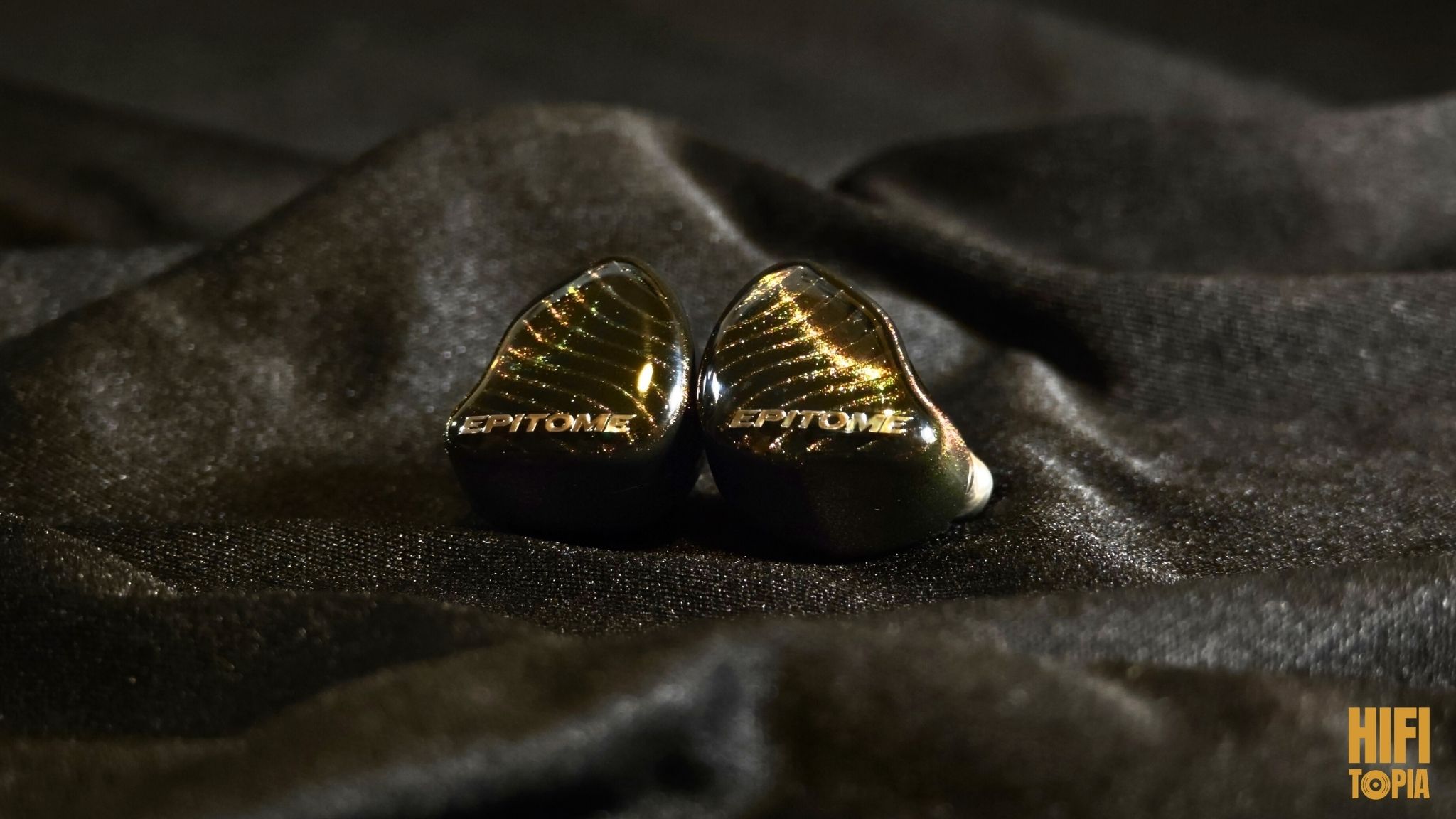
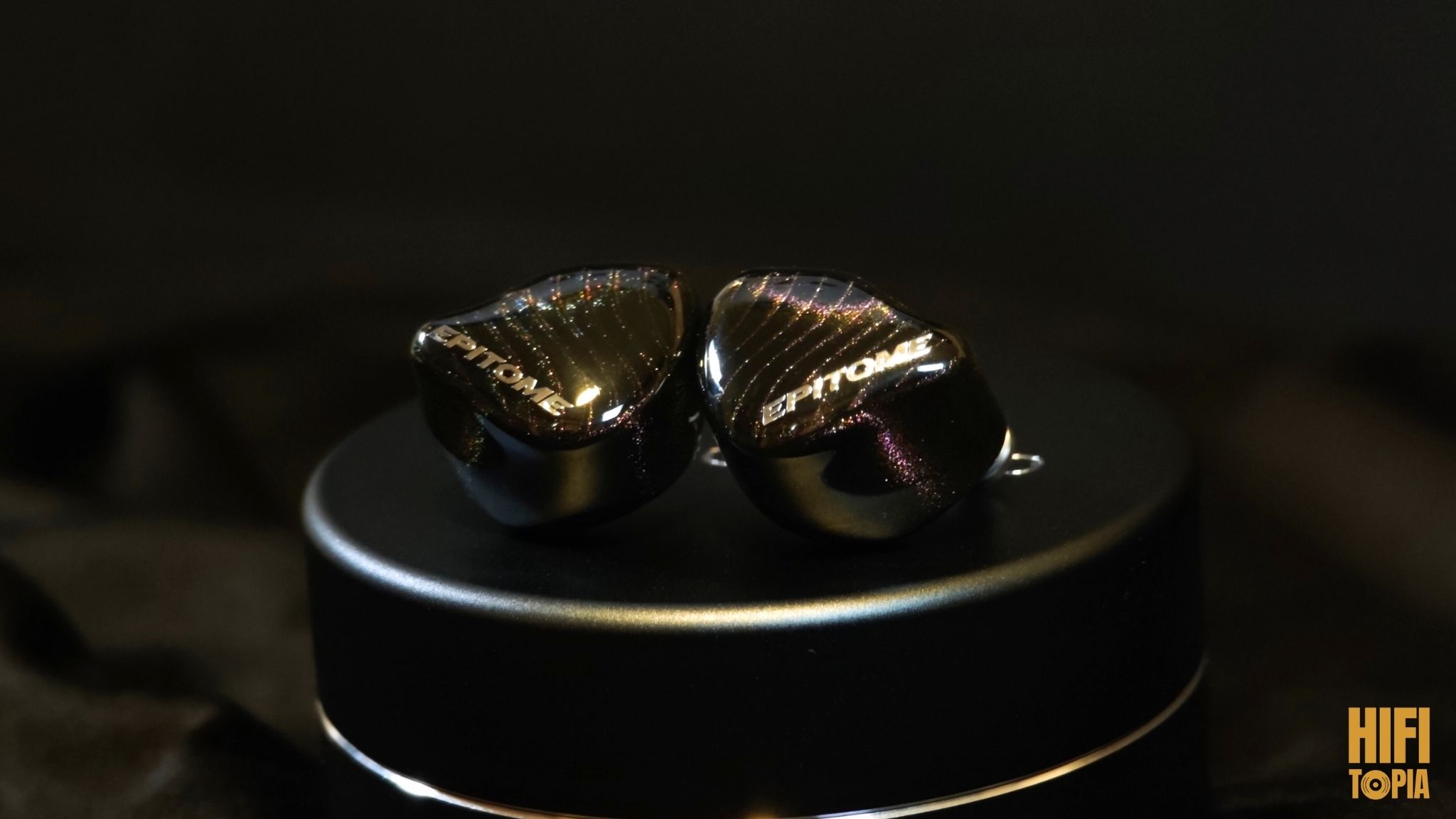
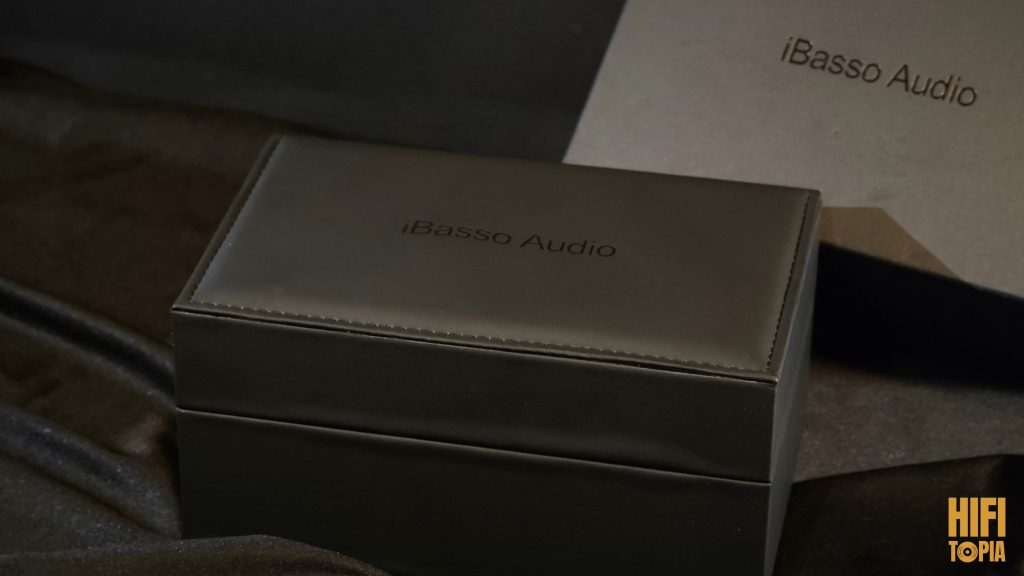
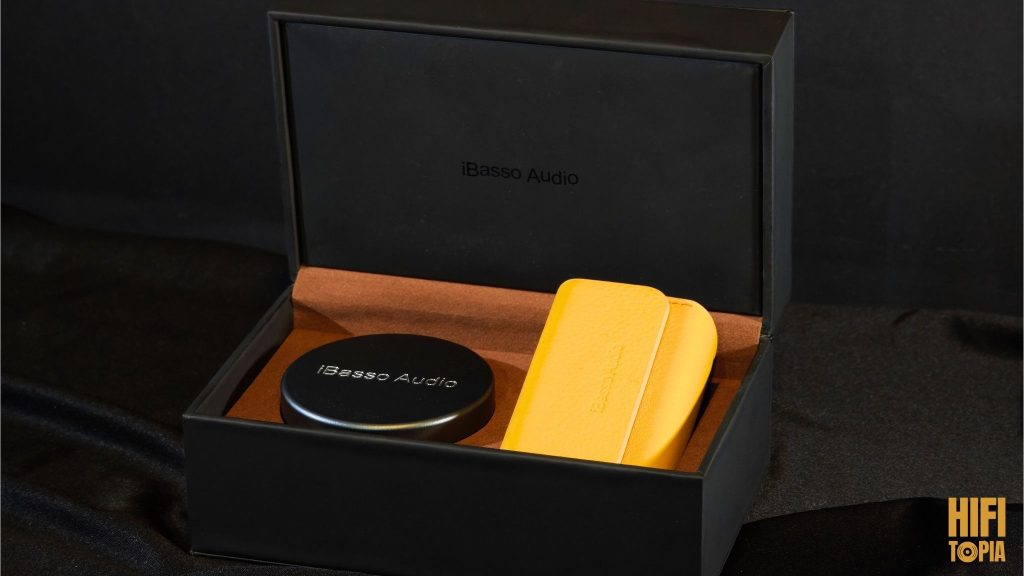
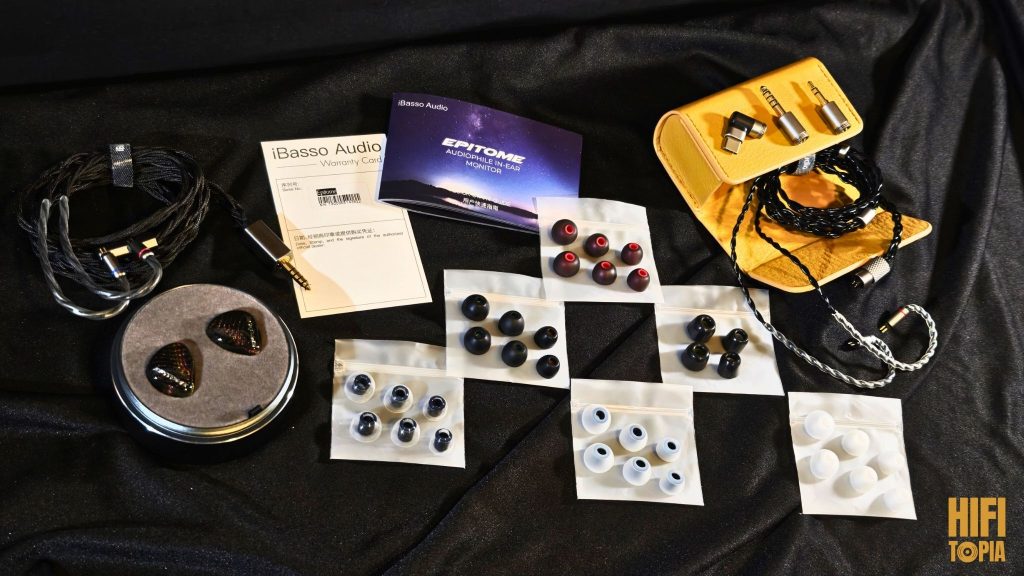
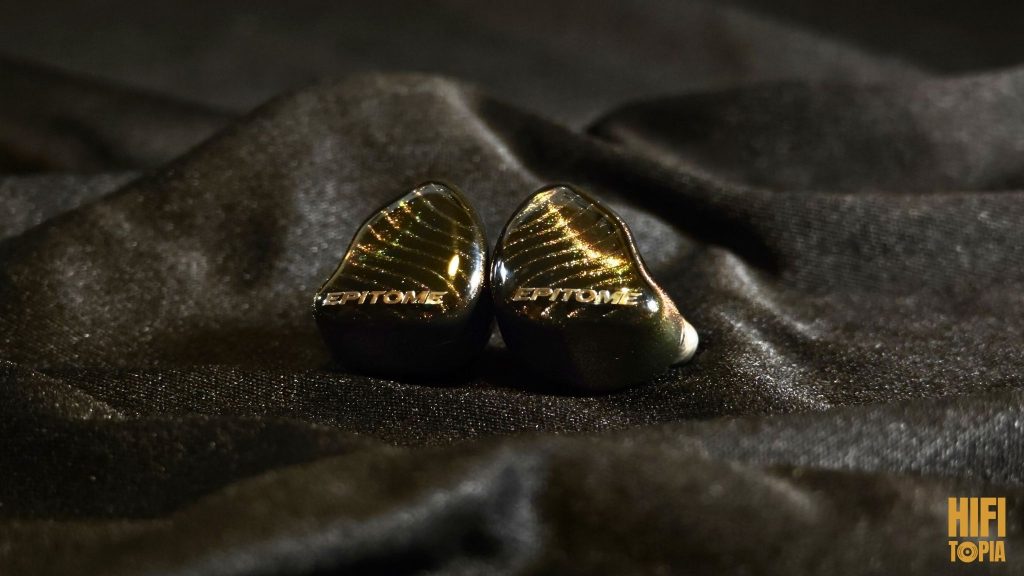
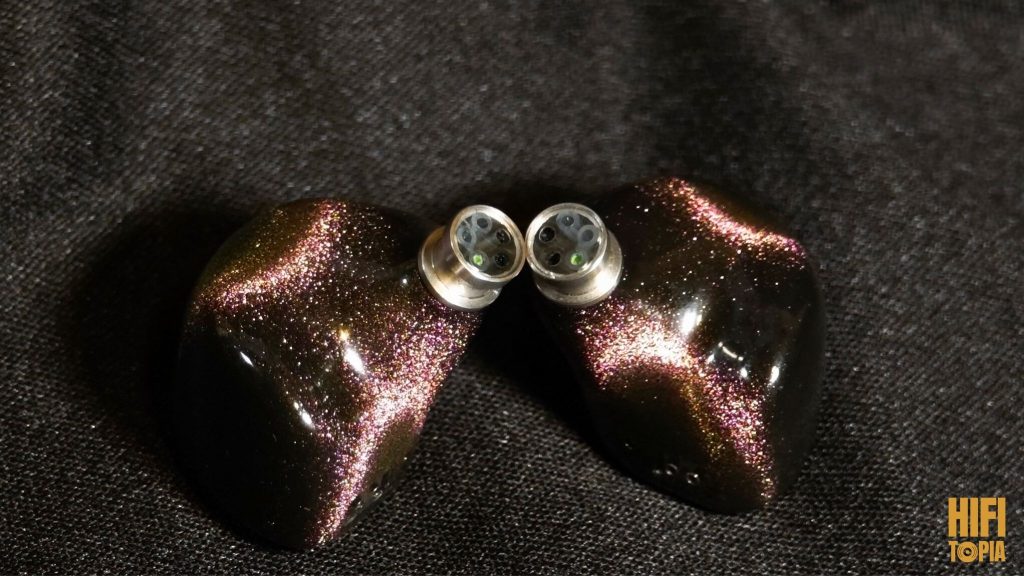
The iBasso Epitome features a shell with a iridescent finish and stunning light effects. It comes in a magnificent box similar to the one we saw with the D16 Taipan. The build quality of the accessories is excellent. Beyond that, this is one of the most generous sets of accessories I’ve ever seen. Here’s what’s included in the Epitome’s box:
- iBasso Epitome Flagship IEM
- Round Metal Case
- Yellow Magnetic Closure Case
- Standard Cable
- New Alloy Cable
- 4.4mm + 3.5mm + USB-c plugs
- 6 Types of Ear Tips
- Warranty Card
Shells & Cable(s)
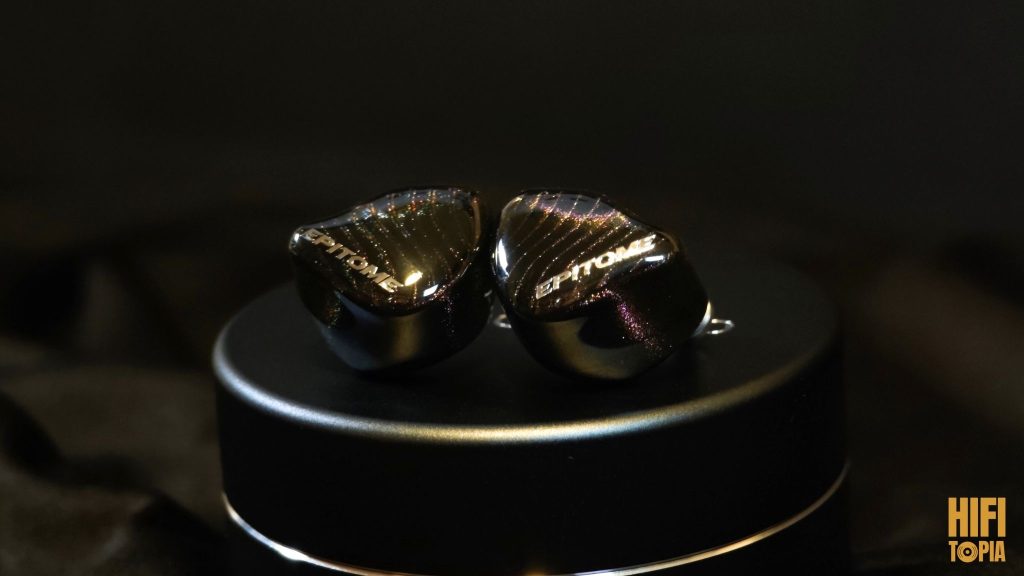
The earbuds don’t just look incredible: they’re actually quite well-sized for such a massive 20-driver configuration. I’d say their size is average, but their ergonomics are superb. They fit perfectly in the ear and provide excellent isolation. The nozzle length is ideal, and seeing exactly five holes at the tip is exciting.
It seems iBasso has experimented with different cables: one 5N monocrystalline copper cable with a replaceable jack and an SPC cable they’ve dubbed the “new alloy.”
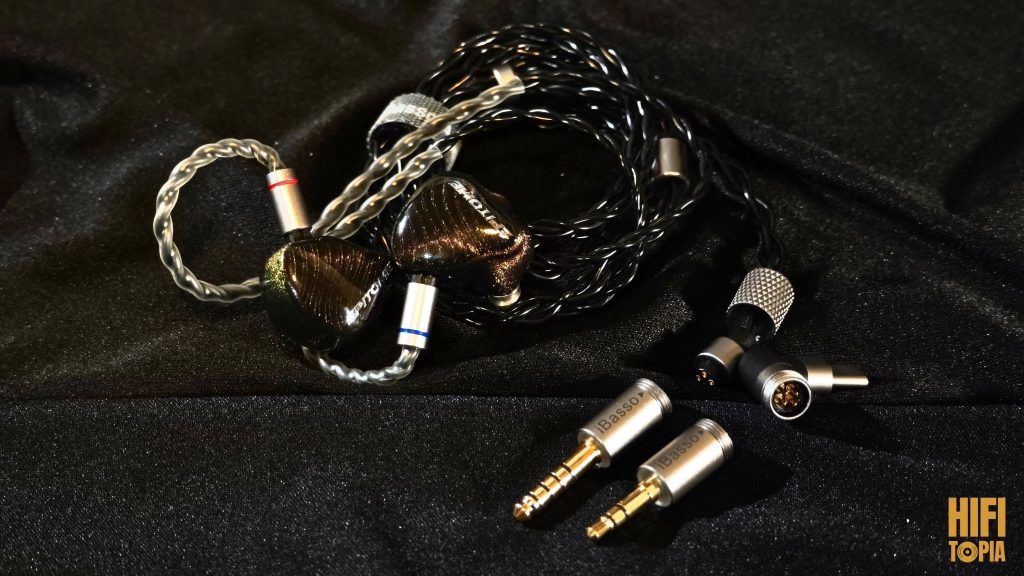
The monocrystalline cable comes with 3.5mm, 4.4mm, and Type-C connectors. The fact that this cable is 5N might seem like a low purity to you, but monocrystalline has a different structure, and this purity level is quite normal. The other cable is fabric-covered and has 6 cores, yes, 6.
The Type-C connector includes a DAC; I’ll discuss how it performs in the “Synergy” section.
Case, Tips & More
There’s a metal hard case that comes with the earbuds, but you can’t fit your earbuds and the cable inside unless you remove the foam padding. There’s also a leather carrying case, which is more practical.
As for tips, there’s plenty to choose from! You get exactly six different types, each with three sizes. With these, you can achieve a variety of sound profiles, offering plenty of options.
Driver Config
I don’t usually include a section like this in my reviews, but I want to highlight the tremendous care iBasso has put into this. After extensive testing and a great deal of effort, they settled on a 5-way, 20-driver configuration. The drivers used are as follows:
– 4 Dual EST Drivers | 10Hz-20kHz
Sonion EST units add airiness, spatial openness, and ultra-high extension.
– 1 Dual High-Frequency Knowles BA Driver | 6kHz-12kHz
Smoothly bridges the high and ultra-high ranges for natural transitions.
– 2 Dual Sonion Mid-High BA Drivers | 3kHz-6kHz
Enhance clarity, instrument separation, and upper-mid presence.
– 2 Dual Sonion Mid BA Drivers | 400Hz-3kHz
Deliver rich, expressive vocal performance and natural mids.
– 1 Dual Sonion Low-Frequency BA Driver | 20Hz-400Hz
Provides tight, dynamic bass with clean control.
Synergy
First and foremost, Epitome is an IEM that works synergistically with iBasso’s own source devices. Here, it aims to provide a unique experience with each of the AMP 13-14-15-16-17-18 cards that iBasso includes in its DAPs. The epitome was therefore tuned to a very high degree of neutrality and kept delicate enough to be easily affected by the source instrument. I think this was done deliberately to give it special meaning within the iBasso ecosystem. It’s very clever because there are already a lot of Dx 320-340 users. In addition, I firmly believe that the iBasso D16 Taipan, which we reviewed previously, and the Epitome will form a great match.
The iBasso Epitome is one of the most sensitive IEMs I’ve ever encountered. It’s an IEM that can be extremely sensitive about the source, cable, and ear tips. While this makes finding the right match challenging, it also means you’ll get an amazing sound once you do. The Epitome is by far the easiest IEM to drive in this price range. It doesn’t require much power.
For pairings, I used the Divinus Prism and JVC FX10 tips extensively. As for sources, I used the Hiby RS8II, and in addition to the stock cables, I used the Effect Code 23 MK2 and Lavricables Master Silver V5.
I’d like to note that I get the best sound with the FX10 tips. That’s why I used these tips almost everywhere in this review. As for the stock tips, my favorites were the Sony-style with the colored inner part—the narrow-mouth, soft silicone ones.
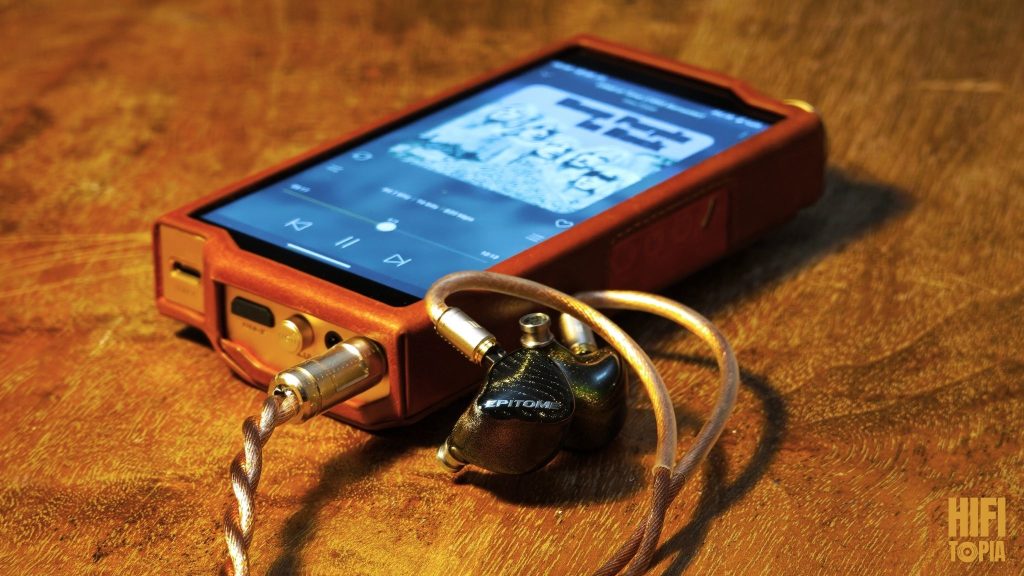
iBasso Epitome & Hiby RS8II
Technical excellence. That’s the first thing to say about this pairing. We have a natural, slightly bright in the upper mids yet generally balanced, mid-centric sound. Despite being an R2R, the Hiby RS8II has a sound that isn’t warm—it can even feel harsh at times. In that sense, I can’t say they’re a perfect tonal match, but they’re sufficiently compatible. With this pair, I achieved fantastic imaging, incredible nuance capture, and outstanding accuracy. I used this source as my reference throughout my review. Meanwhile, I listened for 2–3 hours with the Sony WM1ZM2 and noticed that the Epitome paired very well with this warm source. The result was both an organic tone and the ZM2’s warm sound masking some of the Epitome’s minor flaws in certain areas. Following that, using the RS8II in A-class amp mode at M gain, I experimented with various MSEB settings to create two distinct sound profiles. In one, my goal was to warm up the RS8II’s sound slightly without compromising its character too much. In the second, I aimed to completely replicate the ZM2’s tonal character (based on the pairing I achieved with the Epitome).
Result: The second setting worked incredibly well with the Epitome. Of course, I won’t use this as the primary reference in my review, but it was a nice experiment to see how warm pairings could work from different angles. Based on this, I can say that warm-sounding source pairings would be better for the Epitome.
However, throughout the review I will be using the RS8II to simulate multiple high-end sources. I will largely base my analysis on the stock tone, but I will also experiment with different tones.
So, what do we have here? In my listening sessions with the RS8II, I managed to achieve some warmth by adjusting the amplifier stage and filters (about 1/10th of what I achieved in my first attempt with the MSEB). Actually, for someone who prefers midrange and light bass up front, it’s a good enough match and delivered fantastic results on orchestral recordings, especially in terms of soundstaging. Beyond that, I think the RS8II really pushed the Epitome to its limits in terms of unlocking its technical potential. The resulting resolution and detail are amazing.
With its own Type-C connector
The Type-C connector included with the stock cable features a built-in DAC. Since the Epitome is a very easy-to-drive IEM, you’ll easily get sufficient power when connecting it directly to your phone via the Type-C cable. Surprisingly, it’s quite accurate and consistent in terms of tonal balance; the sound isn’t compressed and offers a level of technical achievement that’s far from ordinary. Of course, it can’t compare to a pairing with a high-quality source. However, it produces sound that’s technically capable of getting you through the day and handling tough situations. Tonal-wise, it’s neutral with a very slightly warm and bright timbre. I’m not making a technical comparison because this IEM wasn’t originally designed for that. I can confidently say it’s more than sufficient for media consumption and will get you through daily listening sessions.
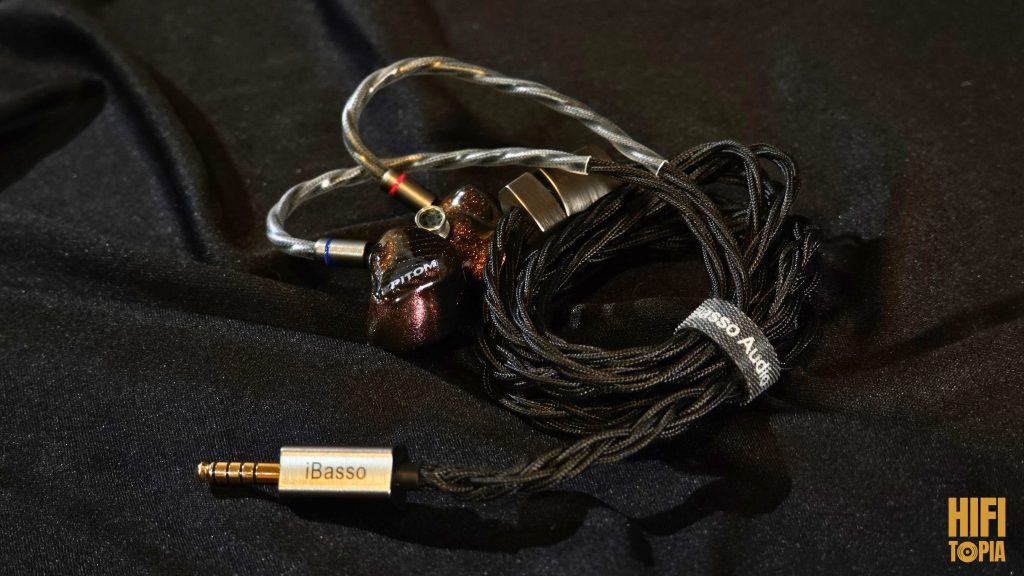
iBasso Epitome With The “New Alloy Cable”
First of all, I’m not writing about stock cable matching because I’ve already based 90% of what I wrote in the sound section on the stock cable. What I’ve written in the cable sections is based on a comparison with the “sound heading written using the stock cable.”
Here’s what I want to say about both stock cables: as with every review, I paired the Epitome with dfferent aftermarket cables. However, Epitome’s stock cables are quite good and adequate. The aim here is to create diverse experiences through variety. Frankly, I don’t think someone who buys this IEM will need to upgrade their cable much. Both the choice of monocrystalline copper and the inclusion of an additional cable in the box are satisfactory in terms of providing the necessary versatility and cable quality.
It has a sound and color similar to the stock cable but with a cleaner profile and a slightly more laid-back tone. Technically, there isn’t much difference from the stock cable, but the transition from the upper mids to the lower treble is a bit smoother with this cable. However, I find the stock cable’s treble timbre to be more natural.
iBasso Epitome With Lavricables Master Silver V5
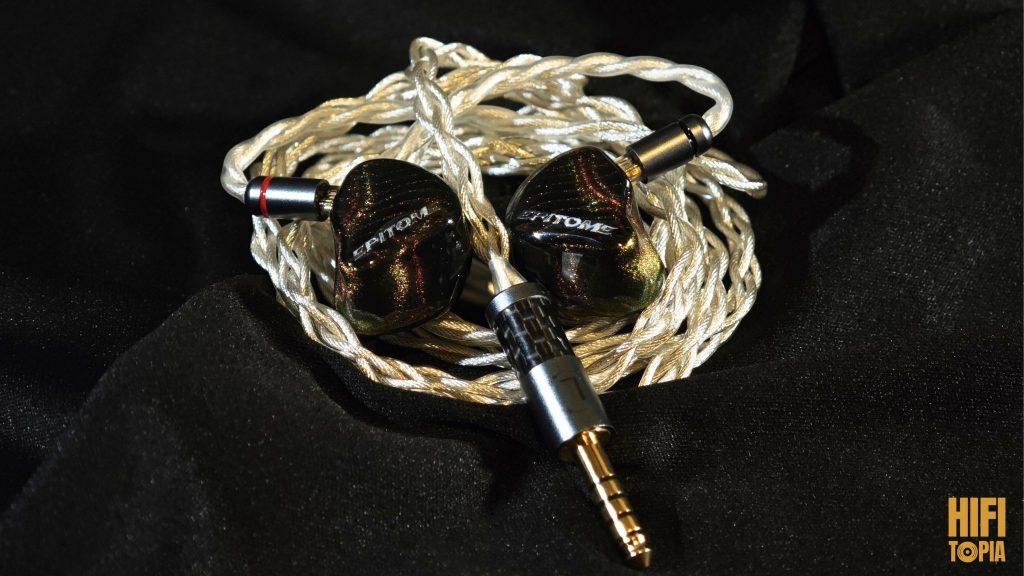
Despite being made of pure silver, the Master Silver V5 has a very balanced profile and is one of the “warmest” silver cables I’ve ever listened to. The Master Silver V5 enhances the treble without making it sharp. It adds a touch of airiness and shifts the placement of the cymbals slightly to the sides. Beyond that, it adds a slight boost to the lower mids—an effect you wouldn’t normally expect from a silver cable :)—but the Master Silver V5 is quite different from the rest and makes you feel it. The bass, which is already deep, feels even deeper. Compared to the stock monocrystalline copper cable, the bass here seems to have a different focal point: think of it as the sub-bass and mid-bass moving slightly further apart.
In the midrange, there’s a bit more separation compared to the stock cable. Upper mid coloration is less pronounced than with the stock cable, but it’s still there. What’s interesting is that the stock cable brings out more texture in brass instruments. Other than that, the Master Silver V5 and Epitome combination did a great job!
iBasso Epitome With Effect Code 23 MK2
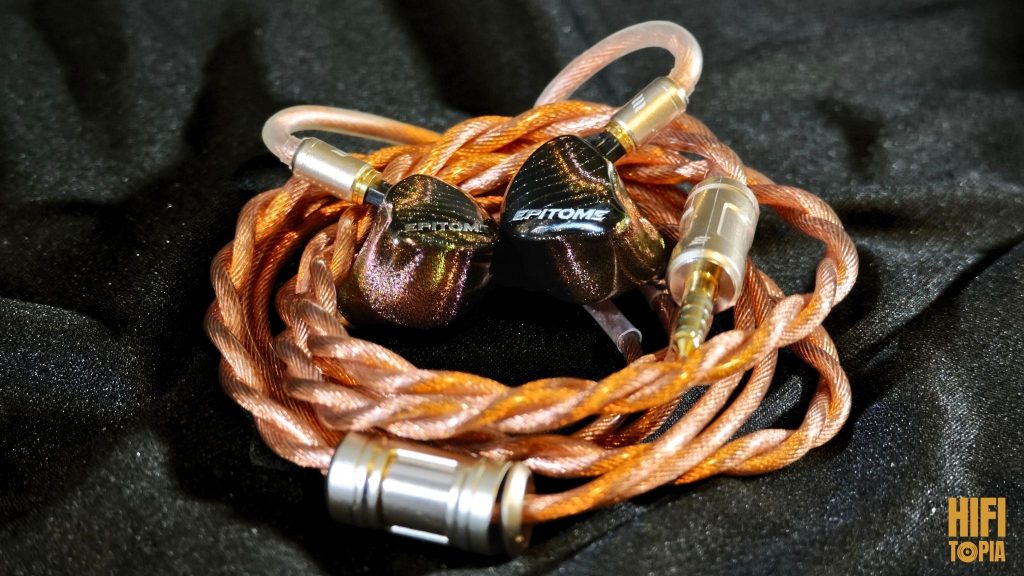
The clearest results I’ve achieved with my cable pairings using the Epitome might be with the Code 23 MK2. This cable was released by Effect Audio under the slogan “Subwoofer of Cables.” You can tell right away that it warms up the sound. Here’s what I noticed during longer listening sessions:
There’s an increase in the lower bass, and overall, the bass feels closer to the surface—all while maintaining timbre accuracy. I can say it improves note weight, significantly enhances clarity, and makes a serious contribution to the overall bass authority.
A lot has changed in the midrange as well: It added body to the lower mids and significantly reduced stepping back in the upper mids. This altered the overall midrange tone, resulting in a warmer sound in this range. Vocals are more forward, while instruments that were previously coming to the forefront in the upper mids have been pulled back and are now positioned in a much more reasonable place. Here, the energy in the upper mids and lower treble has decreased.
There wasn’t much change in the treble here, though the upper treble extension increased slightly. While I prefer the treble tuning of the Master Silver V5, if you love warm sound the Code 23 MK2 had a much more positive effect on the overall spectrum in terms of tonality: a warmer, fuller-bodied, and crisper sound. That’s what I call synergy.
From a technical standpoint, resolution and details are similar to the stock cable, but layering and soundstage width are slightly better with the Code 23 MK2.
iBasso Epitome VS Elysian Acoustic Labs Annihilator 2023
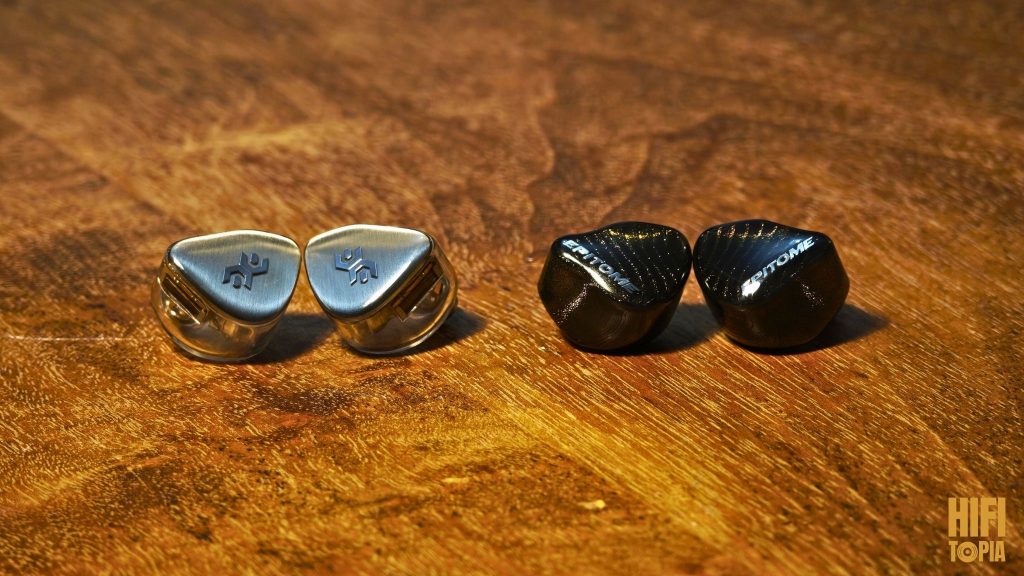
This comparison was conducted using the Hiby RS8II. Both IEMs were listened to with the JVC FX10 tips, using stock cables. The Annihilator 2023 was tested at M gain with a 4.4mm output, while the Epitome was tested at M and L gains with 3.5mm and 4.4mm outputs, respectively. The reason for this difference is the vast gap in the sensitivity between the two. The amp stage was kept balanced between A and AB, and the turbo was turned off.
The Epitome and Annihilator are IEMs with two very different characters and sound signatures. The Epitome produces a mid-centric sound with a neutral tonal colouring. The Annihilator produces a warm, full-bodied sound that could be described as V-shaped but with subtle W-shaped colorations. Fundamentally, this makes the Annihilator more enjoyble, while the Epitome is more natural, realistic and versatile.
Bass
This is where the difference between these two giants is most obvious and significant. The Epitome operates on a much more neutral line and produces significantly less bass; however, the subs are slightly dominant in the internal bass balance. The Annihilator, on the other hand, features large, thick bass, produces much more rumble, and has mid-bass taking the lead in the internal bass balance. Despite the difference in quantity, the Epitome goes much deeper, while the Annihilator’s bass is closer to the surface and more explosive. Epitome is superior in terms of bass quality.
In terms of entertainment in this category, the Annihilator is certainly the preferred choice, but let’s examine these at this level using the instruments:
Drums: The Epitome has a fairly light yet deep drum hit; despite this lightness, the amplitude transmission is excellent, though the authority is low. The Annihilator, in the simplest terms, smashes through—it’s still deep but feels more present on the surface. Still, the volume reproduction and authority are incredible. I’m basing this assessment specifically on three tracks: the drums at the beginning of “Equus” by Ne Obliviscaris, the rapid-fire drums in Pantera’s “Domination”, and the slow drums in Dawid Podsiato’s “Where Did Your Love Go?”
For the bass guitar, I’m listening to Primus’s “Jerry Was A Race Car Driver”: The Epitome is positioned further back and has less volume, yet it delivers a bass guitar with an exquisite texture. The Annihilator, on the other hand, is slightly more full-bodied and more upfront, but it produces a bass guitar with a simpler layered sound. The same observations apply to the double bass on Petra Magoni’s “La voce del silenzio,” though there’s a subtle nuance: since the sub-bass presence is much stronger on the Annihilator, there’s a timbre difference that directly affects the sense of proximity. With the Annihilator, the double bass is right next to your ear and has a physical presence; with the Epitome, it’s somewhere on the stage and comes from a distance—the physicality is less pronounced, but the texture remains intact.
Mid
Things really heat up in the midrange. Both have their own unique character in the midrange. The iBasso Epitome aims for naturalness and transparency here, but as it approaches the treble end of the spectrum, it steps on the gas and shows a lit energy in the upper mids. The Annihilator, on the other hand, features a complex tonal character in the midrange that specifically highlights the lower mids and guitars. Both are successful at capturing a natural sound in the midrange, but their tonal signatures are very different—it’s as if they’re pushing the limits of two distinct extremes. Epitome has a more transparent and neutral midrange and does a fantastic job of layering here. However, when it comes to the transition from upper mids to lower treble, Epitome brings the sound a little close to the surface in that region. Annihilator, on the other hand, offers a much warmer midrange presentation. However, Annihilator is also too thick in the lower mids. Both produce excellent and smooth female vocals. Epitome produces a more neutral sound in mid-range and occupies more area on soundstage.
Haggard – “The Final Victory,” “Chapter III: La Terra Santa,” “Per Aspera Ad Astra,” “In a Pale Moon’s Shadow”: With a full-bodied orchestra, varying tempos, and vocal diversity, these tracks cover a lot of ground. In terms of presentation, the Annihilator has a more substantial body and features multi-layered focus with more breathing space. Epitome, on the other hand, produces a more emotional sound here with a laid-back presentation in the lower mids and an intimate one in the upper mids. Annihilator has better solo violin here. Epitome is more successful in piano strokes. Both are superb in female vocals. Epitome leads in wind instruments, male vocals, and brass.
Allegraon’s “Concerto in Dm,” Brass Against’s “Lateralus,” and Katatonia’s “Decima”: Overall midrange consistency and the ability to handle multiple instruments are slightly better on the Epitome. However, when it comes to the lower treble, the Annihilator maintains distance more effectively. While harmonics and vertical positioning stand out in the Epitome, the Annihilator produces a more cohesive midrange and has more successful lateral positioning. Overall texture and positioning accuracy in the midrange are better in the Epitome.
While the presentation difference in this area makes a technical comparison difficult, it offers you a much more significant divergence than just a matter of superiority: A balanced midrange presentation with thick, full-bodied lower mids? Or a presentation that starts neutral, rises as it approaches the treble, and remains laid-back despite compression and surface-level issues in the transition? Both have their flaws yet possess harmonious beauty, and they are very different.
Treble
The treble section of this comparison was the most enjoyable part of the entire review for me. As you know, the Annihilator is an IEM famous for its treble, and everyone says it has the best treble. The iBasso Epitome has such an excellent high-frequency range that it doesn’t just compete with the Annihilator in this area—it’s practically challenging its dominance.
Starting with the lower trebles, the Annihilator seems to have the edge. With a more stable transition from the upper mids to the lower trebles, the Annihilator offers both greater control and a more desirable tonal quality in this range. In the very high frequencies, the Epitome brings bell bodies, upper violin notes sounds slightly closer to the surface. Moving up a bit, the competition begins in the mid-trebles: both IEMs produce incredible accuracy and a very natural cymbal timbre here. Although both have high energy here, they maintain a sense of distance. In terms of positioning, I’m casting my vote for the Epitome by a slight margin. In making this assessment, I’d like to note that I drew heavily on tracks like “Blind” by Korn, “High Hopes” and “Time” by Pink Floyd, and “Gotta Serve Somebody” by Bob Dylan.
The battle continues fiercely in the upper treble and the airy frequencies that follow: Here, the Annihilator stands out with its unique positioning and distinctive sense of space. Additionally, it adds a touch of airiness to the warm tone with just the right amount of energy. With the Epitome, the situation is quite different. When primary focus is on the lower treble, you don’t really feel much airiness here; this is more of a natural, range-appropriate brilliance. In this area, Epitome’s natural high-pitched sound production is unparalleled, putting it a notch ahead of Annihilator in that sense. Technically, both are incredibly successful in terms of extension control and consistency. In this regard, I find them equal.
Tchaikovsky – Overture 1812, “Sykfall” by Adele, “Just A Little Lovin’” by Shelby Lyne: When considering the overall treble character, the Epitome demonstrates a stronger presence in the lower-mid treble in terms of energy, focus, and body. The Annihilator, on the other hand, features a smooth transition from the mid-treble to a gradually rising energy and focus in the upper-mid treble. However, looking at the overall spectrum, the treble is more prominent in the Epitome and, frankly, has a bit more texture.
Technique
The iBasso Epitome and Elysian Annihilator 2023 are two heavy hitters from a technical standpoint. Both boast incredibly high resolution; the Epitome is slightly more homogeneous, while the Annihilator has better organizational capabilities. When it comes to detail and texture, the Epitome is a step ahead, while the Annihilator leads in terms of composition and layering.
The difference in homogeneity is particularly noticeable in the lower frequencies: the Epitome has slightly higher-resolution bass. In the mid and high ranges, they are nearly identical, but in terms of texture, the Epitome performs better in the midrange. Additionally, the Epitome captures nuances more effortlessly in certain areas of the midrange. Annihilator closes the gap it faces here as it approaches the high frequencies.
Epitome has a more transparent and holographic soundstage. It’s well-defined vertically, has good depth, and is spacious but not overly wide. The Annihilator, despite having less depth and spatiality, offers a wider soundstage. Both feature very precise imaging. The Annihilator has a darker background and creates a sense of playing in space, drawing you in. The Epitome, on the other hand, has a holographic yet homogeneous structure that surrounds you.
In terms of separation, things get a bit complicated: they exhibit different levels of separation at different points. Simply put, Epitome separates better at lower frequencies. In the lower mids, Epitome offers better separation, while in the upper mids, Annihilator does. In the trebles, while there’s similar separation in the lower trebles, the nose difference makes the separation in the upper trebles more pronounced in Annihilator.
I’d like to add a small technical note here: These two high-end iems have different positioning preferences and serve different purposes at this point. The Epitome brings the upper mids closer to you and delivers deep subs with a neutral bass response. The Annihilator, on the other hand, prepares you for the upper trebles with a mid-bass and a slight vocal push. Here, the neutral sound preference and fidelity to the natural range set Epitome apart.
Apart from their different timbres and completely different positioning preferences, both produce a natural and realistic sound. Here, it comes down to personal preference: choose the Annihilator for closer bass, drums, and male vocals; choose the Epitome for closer female vocals, wind instruments, and brass. These preferences do not alter the fact that both produce sound with very high consistency and accuracy.
Sound
Tonality & Sound Profile
The iBasso Epitome features a natural, mid-range-focused sound profile tuned to be neutral and bright, in keeping with iBasso’s signature sound character. Setting aside the fact that tonal balance is entirely a matter of personal preference, the goal here is to achieve a controlled brightness and high realism.
Another important thing to know about the Epitome is that, as we mentioned in the Synergy section, it is an extremely sensitive IEM that’s very easy to drive. While I have my doubts about whether this is a good choice, listening with L gain usually resolves this.
When delving into the nuances of the tonal character, here’s what I observed: I believe significant effort was put into providing a neutral response in the low frequencies while still maintaining the presence of the sub-bass. The midrange is almost entirely neutral in tone, right up until the very top of the mids. Another distinct choice is keeping the transition from midrange to treble close to the surface, which creates additional amplitude effects on some instruments. For example, the violin on the Epitome sounds very transparent yet textured and distinct. When we reach the upper frequencies, the treble relaxes slightly after the transition from upper mid to lower treble and rises gracefully toward the air frequencies. I must say I find the naturalness of the treble and the control over the cymbals incredibly successful.
Bass
Neutral, organic, distant, and deep. The iBasso Epitome produces very realistic and deep bass, but in terms of soundstage placement, it’s significantly distant from the surface. While this might not satisfy those seeking powerful bass, I’m getting enough punch for instrumental listening, so I won’t dwell on the issue of volume here. The level of technical precision, detail, and texture here is incredible. The speed and capture ability are among the best I’ve heard.
Mid
In the midrange, the Epitome effortlessly resolves the sound down to the finest nuances. Here, there is a contrast shift that affects the overall spectrum. The midrange response, which is quite neutral in the lower mids, gains energy as it approaches the upper mids and begins to move slightly toward the front of the soundstage. By the time we reach the upper mids, the sounds are closer to the surface, more dramatic, and heard in the foreground. This tonal character highlights the star of the soundstage: the mids, and especially the upper-midrange, are distinctly natural.
The superb separation and naturalness in the midrange are beautiful. Of course, Epitome also has some coloring preferences: Upper mid part the region where the sound carries the most energy and details. The sense of proximity to the surface increases significantly, and a slight highlight becomes noticeable in this narrow area. This section is the most given importance part of the entire spectrum. What needs to be said about it is short and simple: if you love bright lower trebles and lively upper mids, you’ll love this section. Otherwise, it will take you some time to get used to it. The amount of texture in this area is still very strong, and the tonal consistency still maintains high accuracy.
Treble
Natural, detailed, and well-defined. The decay times are exceptionally natural and realistic. The bells are perfect in terms of tonal consistency. This section is superb in both tonal quality and technical execution.
The instruments in the lower treble range sound transparent, realistic, and voluminous. As we move upwards in this range, the harmonics emerge impressively.I think iBasso’s own source devices will be a particularly good match at this point. This decay is truly masterfully tuned and fits perfectly in its place. The treble is balanced within itself, and the mid-treble body and air frequencies are of similar intensity. In the upper treble frequencies, the air frequencies have the most natural extension possible, the amount of presence is incredibly accurate.
Not sharp, not harsh, not tiring: yet still detailed, airy, and very realistic. This is what I call high-end treble.
Technique
When it comes to the technical evaluation, Epitome really stands out. It not only offers extremely high resolution and flawless detail reproduction, but also delivers a homogeneous and isobaric response, high accuracy, and exceptional separation.
It features slightly above-average layering and significantly superior separation across the spectrum. This demonstrates truly exceptional imaging capability. The soundstage width is standard, but the depth and spatiality are excellent. You can experience the vertical dimensions much more clearly than with many other iems. The soundstage has a holographic structure and a three-dimensional, transparent quality: everything is distinct, and nothing overlaps.
Despite its extreme sensitivity, it responds well to power and exhibits no distortion across the spectrum. The texture is superb across the spectrum, with sound that is highly consistent both from instrument to instrument and as a whole.
Last Words
The iBasso Epitome is a product that demonstrates iBasso’s strong entry into the high-end IEM market. Judging by the looks of it, the Chinese DAP giant aims to establish a solid foothold in this market, and the Epitome appears to be a very strong start in that regard.
If you’re someone who enjoys neutral tuning and mid-centric sound, and you also have technical concerns (resolution, accuracy, detail, separation, etc.), the Epitome could be the perfect solution for you. My main recommendation would be to pair Epitome within the iBasso ecosystem. The D16, D17, and 340 pairings, in particular, show significant potential. If you have warm-sounding sources, I recommend pairing them with the Epitome; if not, I suggest exploring products that can warm up the sound to discover new pairings. We’ve reached the end of this in-depth review. Scroll down a bit to leave a comment and share your thoughts directly with me!