Sensitivity: 106dB SPL/mW
Impedance: 18 ohms
Cable: 0.78mm 2-pin w/ 3.5mm termination
Shell: Plastic w/ aluminum faceplate
Total Score
Introduction
Happy summer days to all Hifitopia readers. How have you been since we last met?
Today, we’ll be reviewing the new version of the Kiwi Ears Cadenza, which once made quite a splash in the budget headphone world. Introducing the Kiwi Cadenza II!
You’re all familiar with the Cadenza. If not, keep reading.
The unit I have here was provided by Linsoul for an independent review. We thank them for agreeing to our principles of integrity.
I spent about 100 hours with the Kiwi Cadenza II before writing this review.
Design & Build
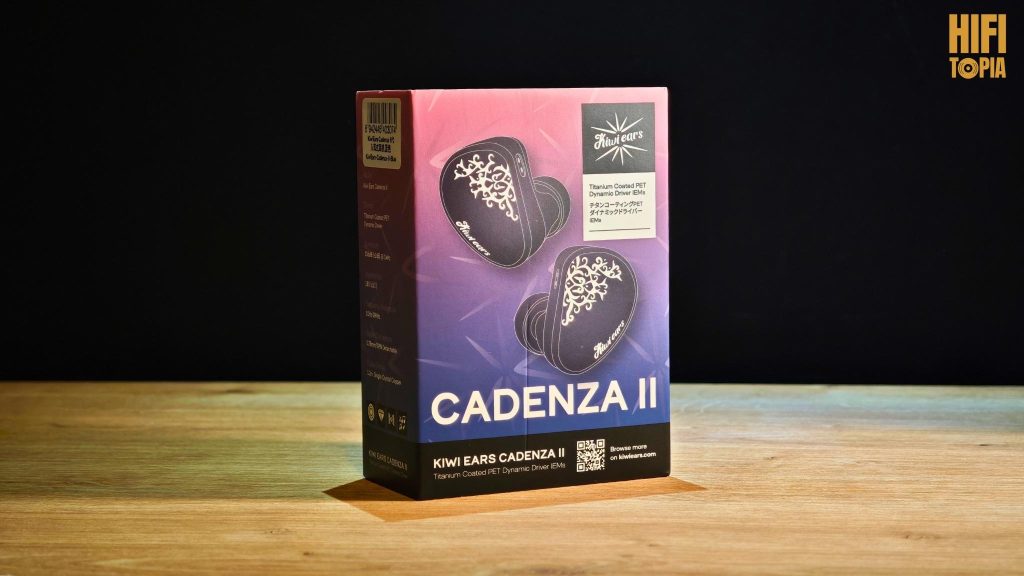
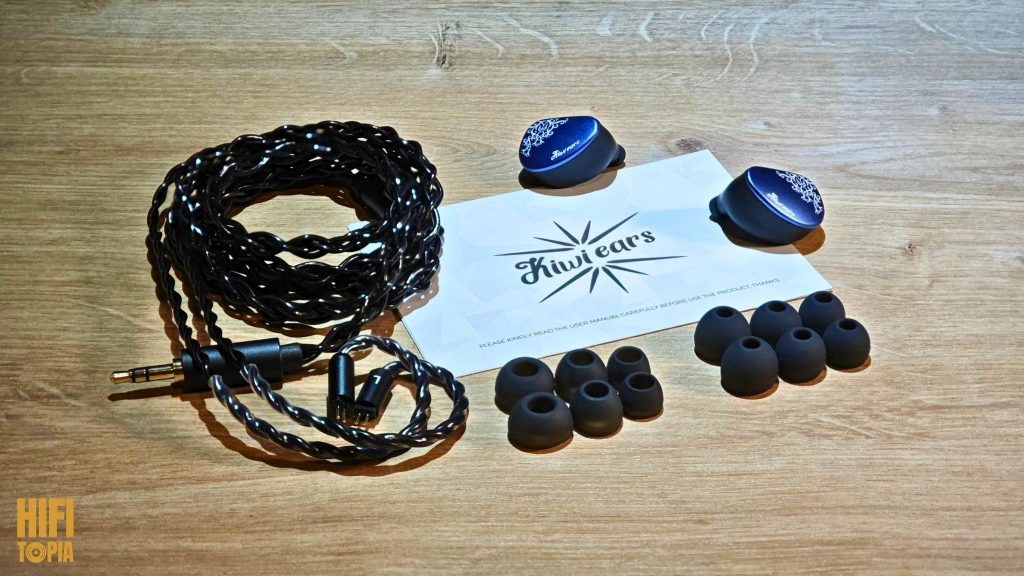
The Kiwi Ears Cadenza II comes in a very plain and simple box, and inside you’ll find only the essentials: the cable and ear tips. Everything I have to say about the overall build quality is entirely positive:
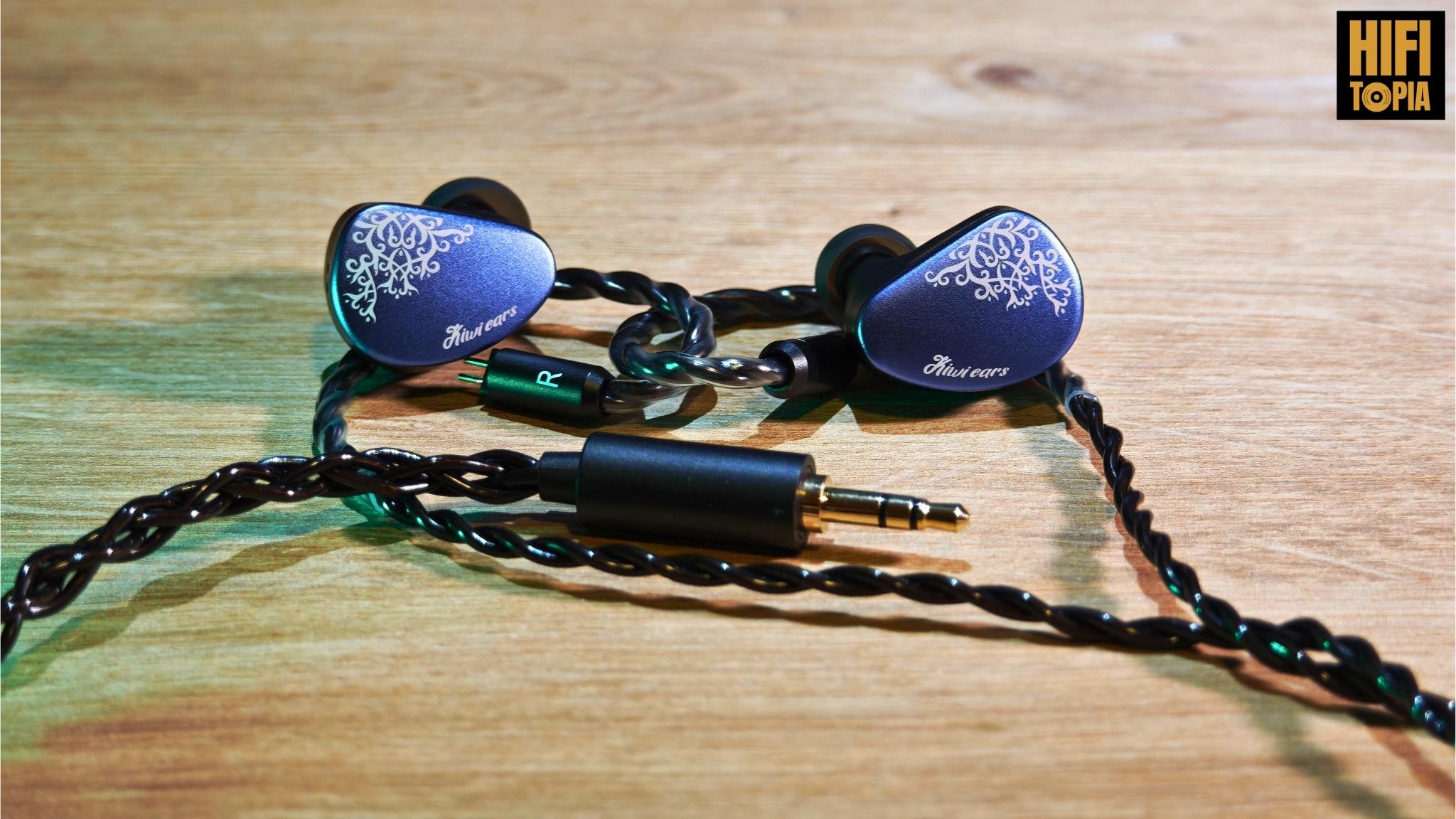
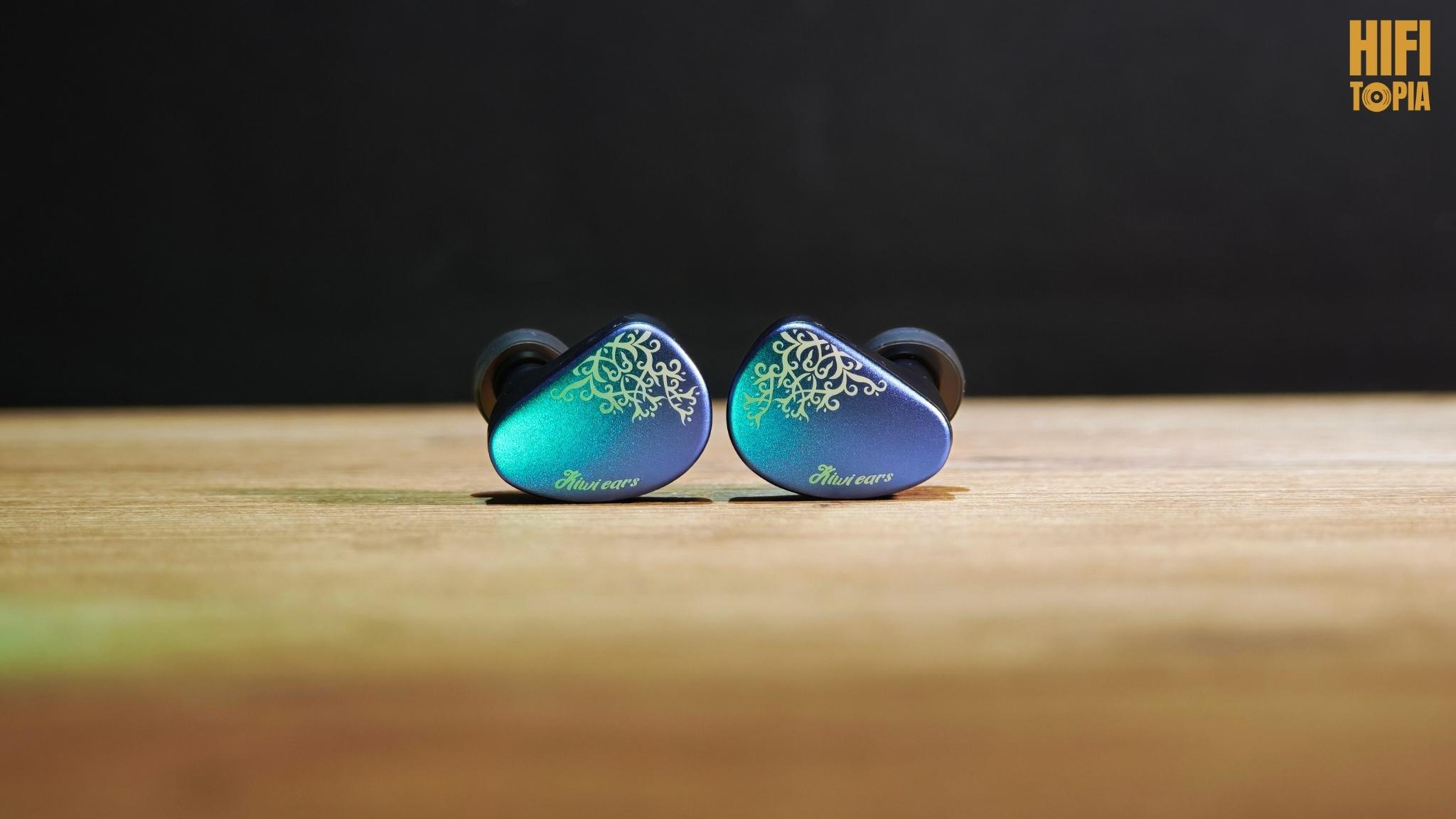
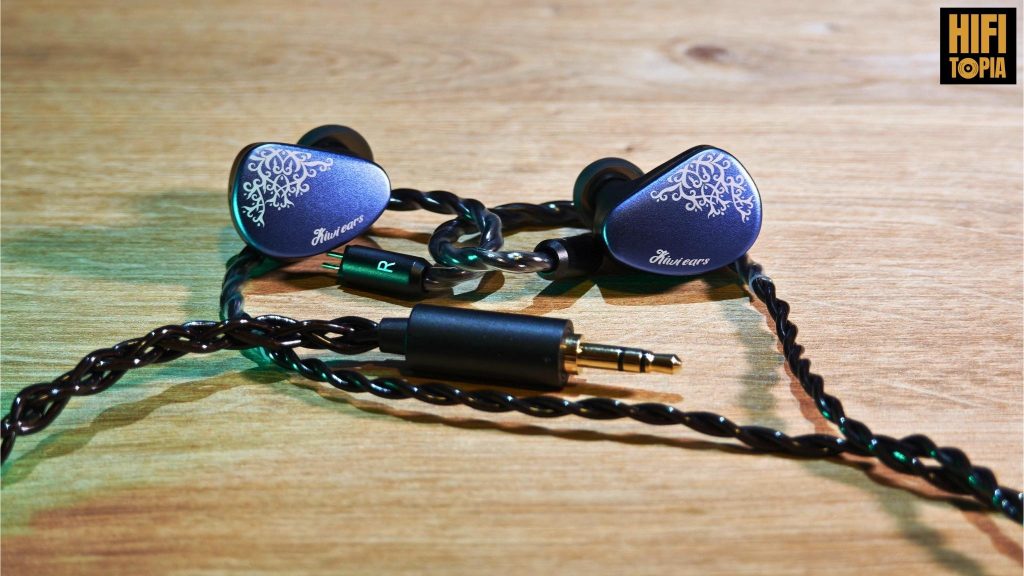
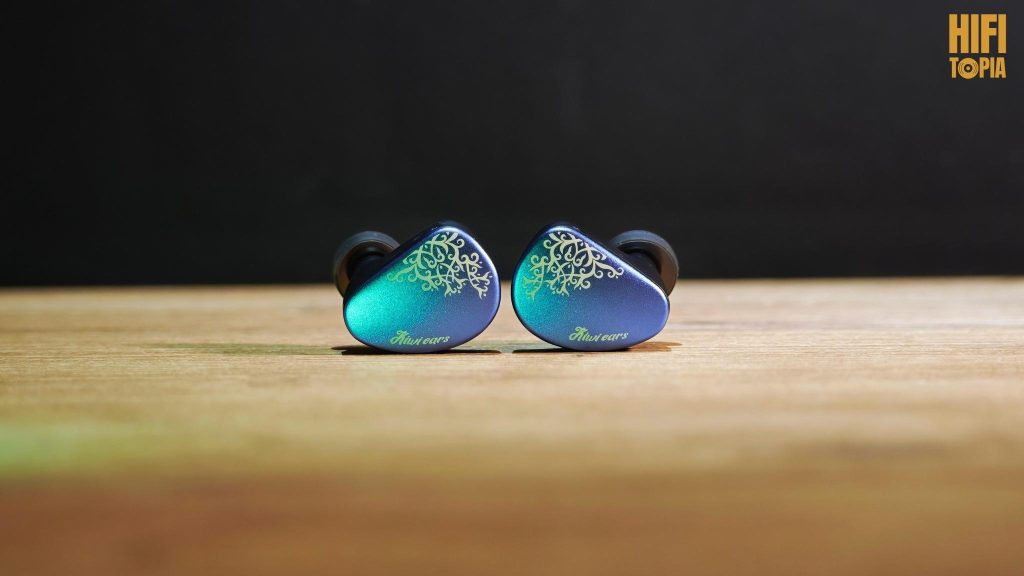
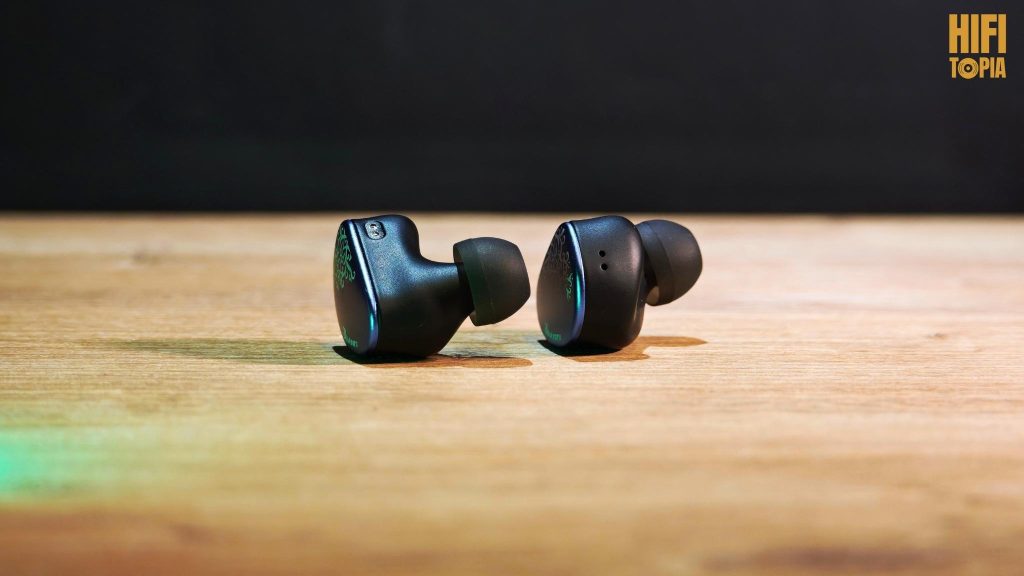
The Cadenza II has moved away from its predecessor’s glossy resin design in favor of a more mature and understated aesthetic. This time, metal faceplates accompany the polycarbonate composite body. Frankly, in this form, it looks far more expensive than it actually is. The housing is quite small and weighs just 4.45 grams per earbud, providing a lightness that makes them feel almost nonexistent in the ear. The nozzle (sound tube) has an average diameter of around 6mm, offering a comfortable “shallow” fit that doesn’t put undue pressure on the ear canal. The oxygen-free silver-plated copper cable included in the box is quite valuable for the budget segment; it doesn’t tangle easily and doesn’t produce any “microphone” noise (cable friction noise). It’s a thick, high-quality cable. It comes with both narrow and wide-bore tips.
Technology & New Things!
On the technical side, there is a single albeit revised component: the 10mm Titanium-Coated PET Diaphragm Dynamic Driver. The titanium coating is designed to provide the diaphragm with extra rigidity, thereby increasing transient response speed. The real engineering behind the device, however, is a labyrinth-like network of acoustic tubes called KARS 2.0 (Kiwi Acoustic Resonance System). This system manipulates airflow to ensure that low frequencies are sharply cut off at the 200 Hz threshold and do not bleed into the midrange. With an impedance of 18Ω and a sensitivity of 106dB, these headphones are, in every sense of the word, “easy to drive”; they can operate at full performance even with your phone’s headphone jack. Of course, I still recommend getting a $10 dongle 😉
Syngergy
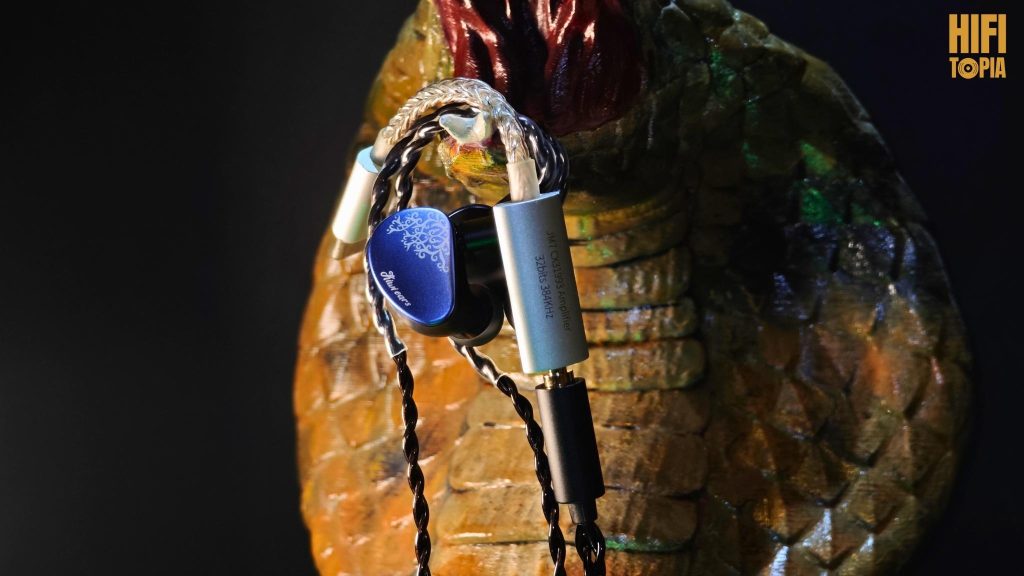
Kiwi Ears Cadenza II & ‘$10 dongles’
The Kiwi Cadenza II was designed with affordability in mind, given its sound quality. It gets the job done even when plugged directly into devices like phones or computers, but of course, we recommend getting a dongle. In my listening tests with two different “$10” dongles, I got quite satisfactory results. The sound is balanced and clear, with plenty of detail. Plus, it performs well with just about any genre. From this perspective, this setup promises good sound for $60 to those new to the hobby who are looking for an affordable entry point.
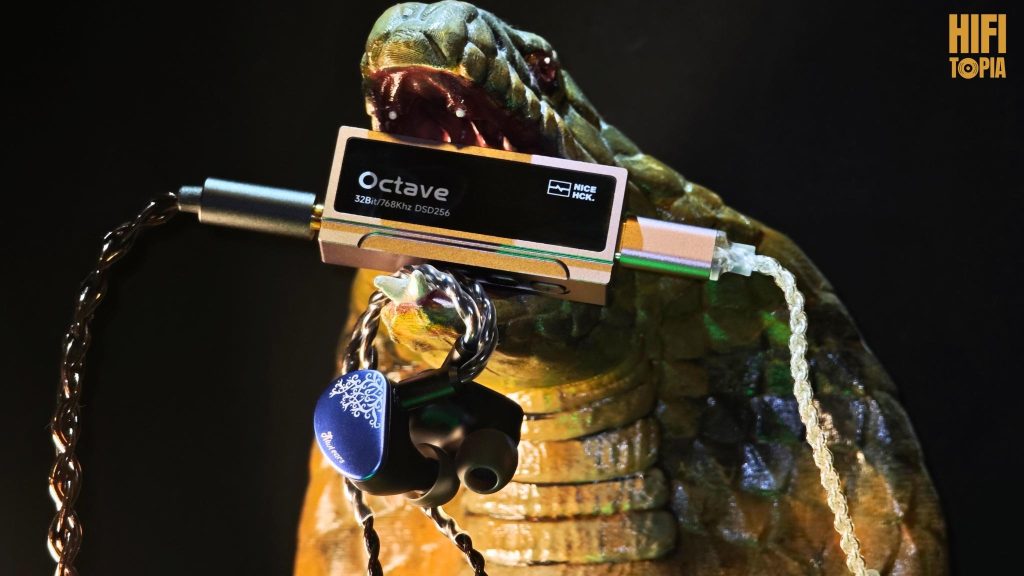
Kiwi Cadenza II & Nicehck Octave
Of course, it was necessary to try this out. The Kiwi Cadenza II really showcased its potential when paired with the Octave. The sound is quite detailed, evenly balanced, and tonally stable. All things considered, the Kiwi Cadenza II delivers far more than you’d expect from a $50 IEM in this pairing. While its practicality as a usage scenario is open to debate, I think this review demonstrates just how good the Cadenza II really is.
Sound
The Kiwi Cadenza II has moved beyond the warm and relatively ordinary budget-oriented sound of the first generation, adopting a much more mature, transparent, and wide-staging character with a slight U-shaped frequency response. The synergy between the 10mm titanium-coated driver and the KARS 2.0 resonance system delivers a technical achievement worthy of praise, regardless of price. Its response to the source and power is quite good: as these headphones draw current from a DAC/amp, they reveal their true power and soundstage depth. They feature a versatile tonal character and perform optimally with many music genres.
Bass
KARS 2.0’s labyrinth technology really steals the show here. The sub-bass extends quite deep (~8 dB gain), almost as if it were a standalone subwoofer, adding a very pleasant underlying layer (rumble) to the music. Thanks to the transient (speed) advantage provided by the titanium diaphragm, the impact of the low frequencies is quite dry, clear, and fast. The most impressive aspect is that sharp cutoff at the 200 Hz threshold; the mid-bass never bloats or bleeds into the midrange. For those not seeking a suffocating, clunky mass at the “basshead” level, it delivers a reference-level, clean bass presentation.
Mid Of The Kiwi Cadenza II
The mid-frequencies are extremely clean, smooth, and neutral. The clarity in the lower-mids ensures that instruments and male vocals have a realistic body, just as they should. The controlled ~9 dB pinna gain in the upper-mid range (around 3 kHz) makes female vocals clear and distinct, yet because it’s kept just below the reference level, it never sounds harsh or shrill (non-shouty). The presentation is slightly laid-back and manages to stay natural. The midrange offers both sufficient transparency and body.
Treble
The Kiwi Cadenca II’s treble is quite smooth, airy, and delivers a confident presentation. The decay of cymbals is very natural, and the resolution is surprisingly high for this price point. However, due to a slight roll-off in the upper treble, that crystal-clear brilliance and the “sparkle” of micro-details are somewhat muted. It’s a wonderful long-term listening companion for those who don’t like aggressive and bright treble. The extension is natural and measured, and the soundstage placement leans toward the outer edges. This is exactly what we want.
Technique
Resolution and detail retrieval are excellent for this price point. Moreover, technical performance is uniform across the entire frequency spectrum. When the Cadenza II is powered up, it delivers a wide and deep soundstage that goes beyond its class. Instrument separation and layering are quite precise; thanks to the consistent imaging during left-to-right transitions, you can pinpoint every instrument’s exact position on the soundstage, even in the most complex passages. Of course, these observations are relative to other IEMs in this price range. The Kiwi Cadenza II works wonders for just $50.
Last Words
The tradition continues. The Kiwi Ears Cadenza II is just as fantastic as the first one. It looks set to clearly dominate this price range. I highly recommend it to newcomers to the hobby.