Crossover: Passive 2-way system
Sensitivity: 110dB @ 1mW (1kHz)
Impedance: 96 ohms @ 1kHz
Frequency Response: 20Hz – 18kHz
Cable: Linum Estron BaX T2 (3.5mm termination)
Shell: Molded Polycarbonate w/ Pelican Vault case
Introduction
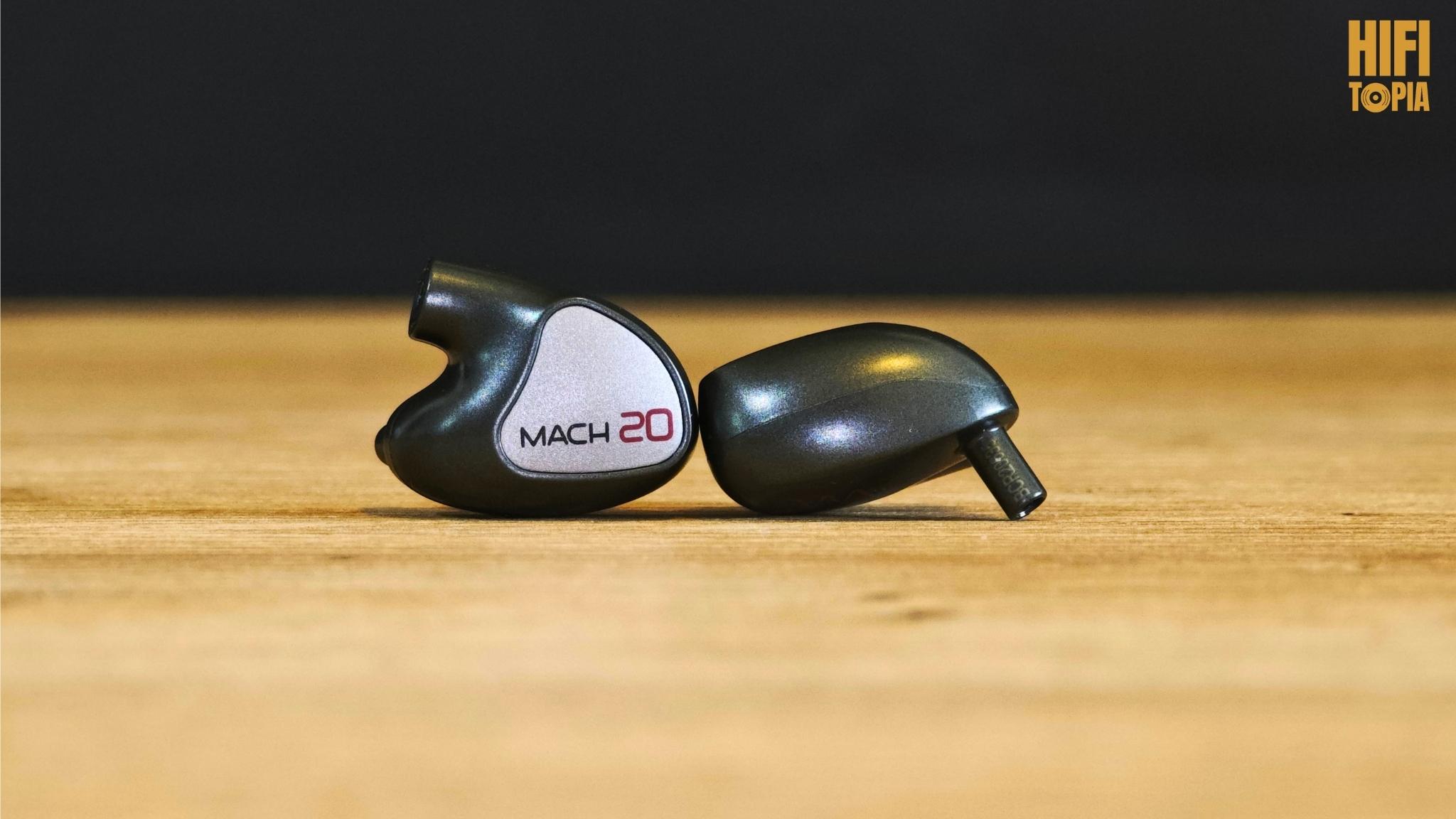
Greetings to all Hifitopia readers on these hot days. Today, we’ll be reviewing one of the latest entry-level in-ear monitors from a company whose name you’re all familiar with. Here it is: the Westone Mach20!
Westone is one of the most established players in the in-ear monitoring world. Following the legendary W and UM Pro series that have been part of our lives for years, the MACH series has taken up the torch, representing the brand’s modern design philosophy. The MACH 20 on our desk is the series’ dual balanced armature model. With a price tag that has dropped from $430 to around $200, these earphones which directly target analytical listeners, vocalists, and studio professionals promise “pure neutrality” in today’s multi-driver Chi-Fi market.
The product I have was sent to me by Westone so that I could publish an honest review. I’d like to thank Westone for supporting independent reviews and for accepting our principles of integrity.
Design & Build
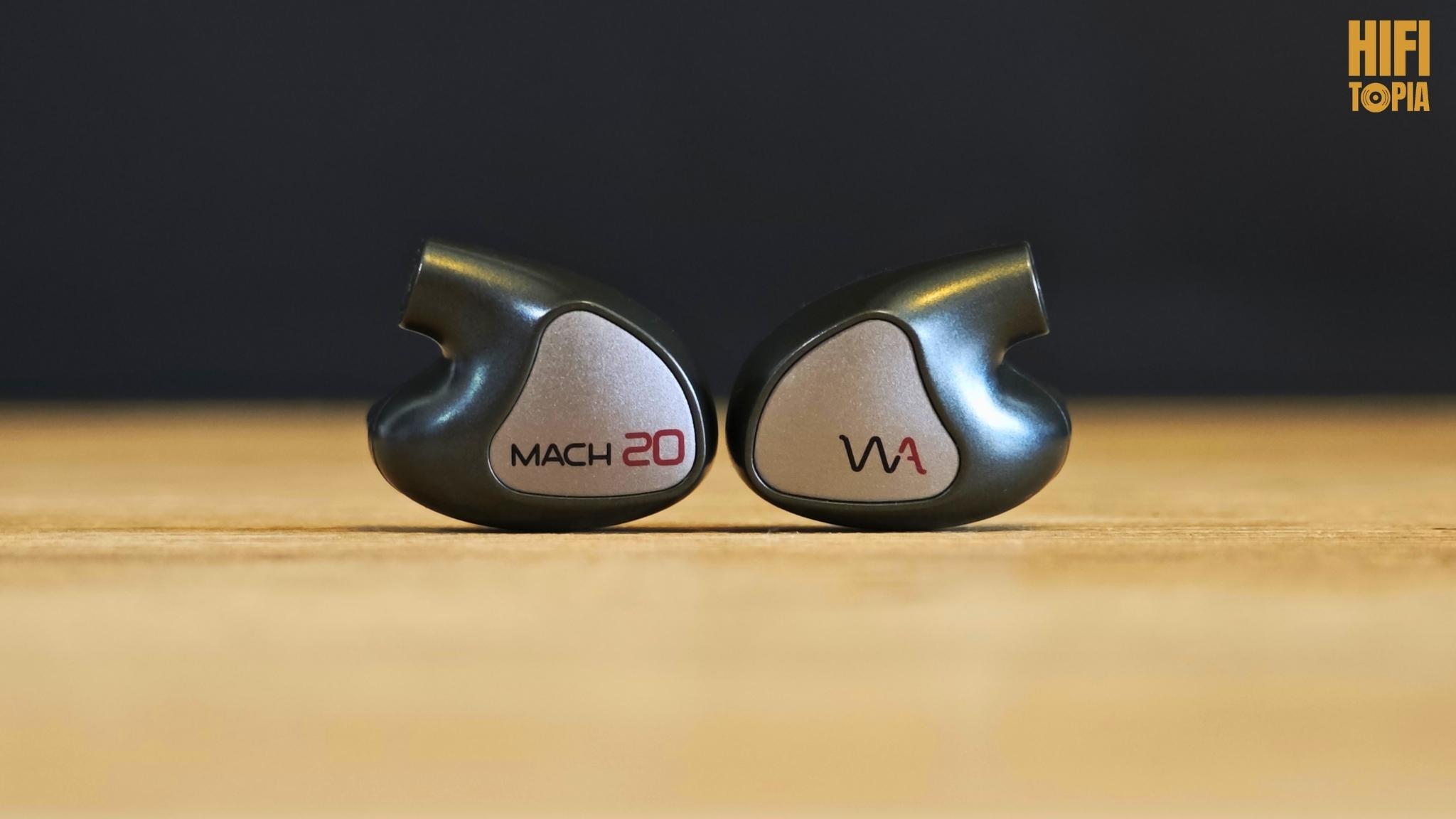
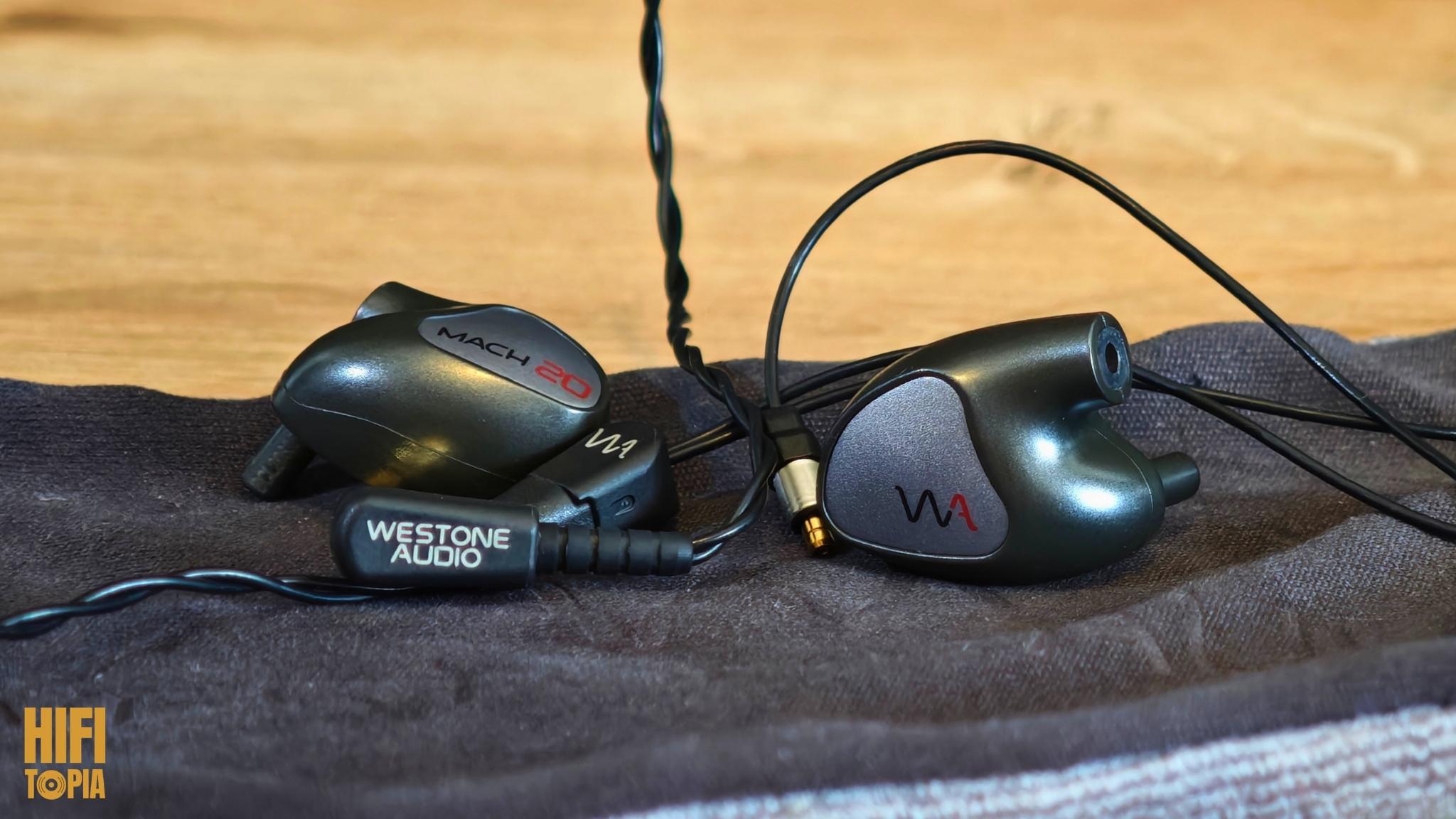
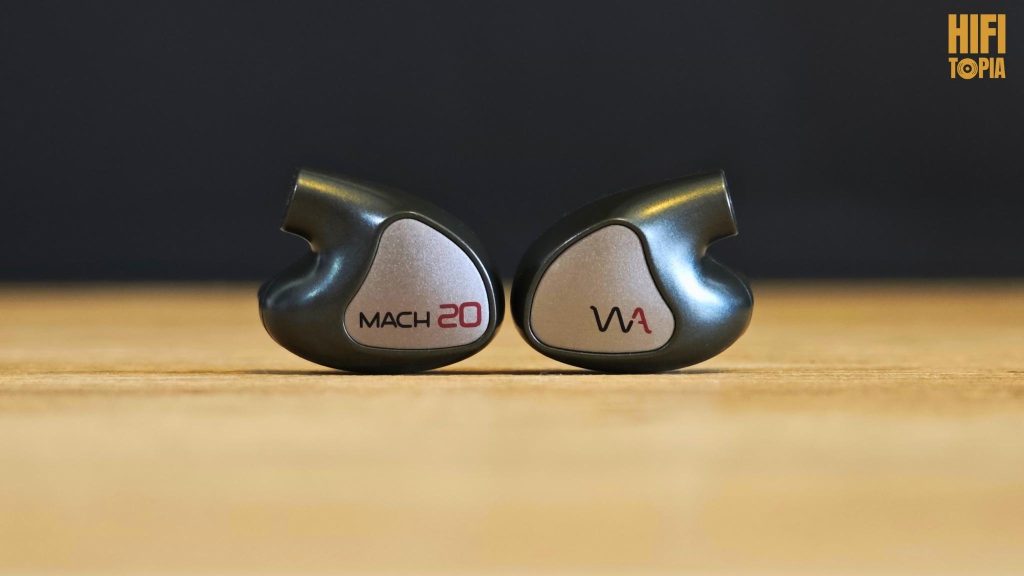
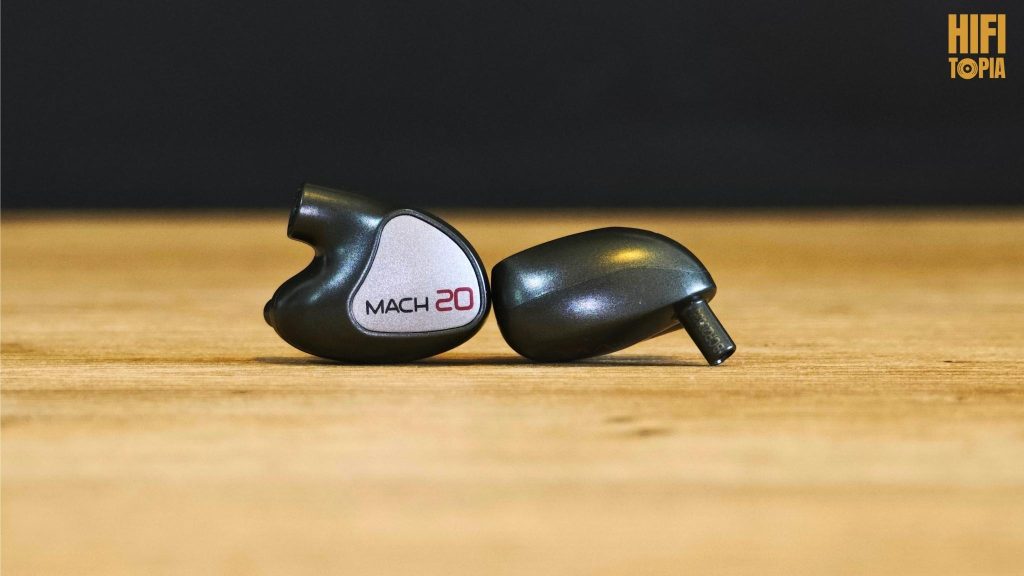
When you think of Westone, the first thing that comes to mind is ergonomics, and the MACH 20 upholds that legacy to the fullest. The gray polycarbonate housing is surprisingly small, extremely lightweight, and fits the anatomical contours of the ear like a feather. It creates no pressure points in the ear during extended listening sessions. This is one of the most comfortable IEMs I’ve ever worn, and it offers incredible sound isolation. In this regard, it’s frankly almost unrivaled.
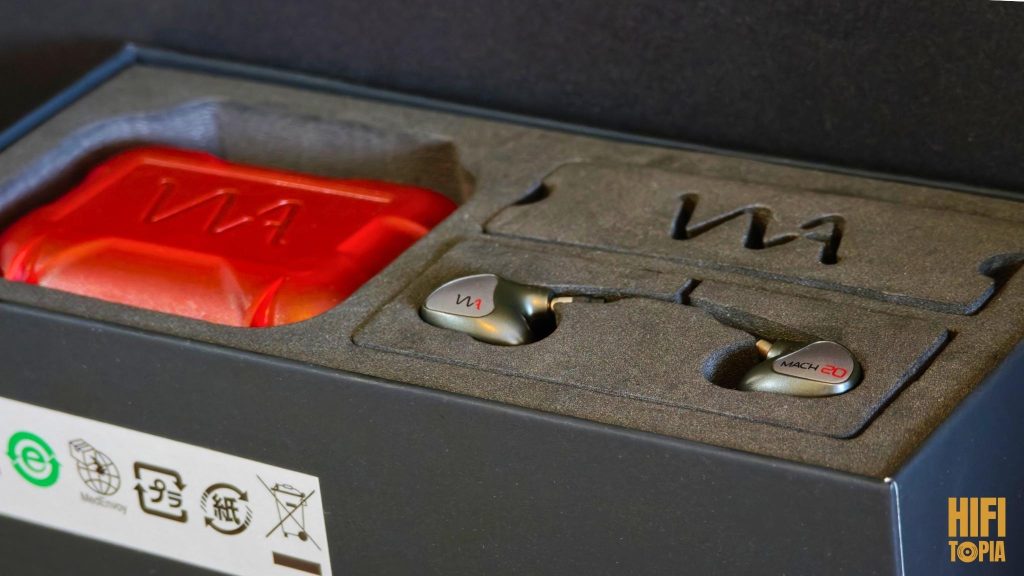
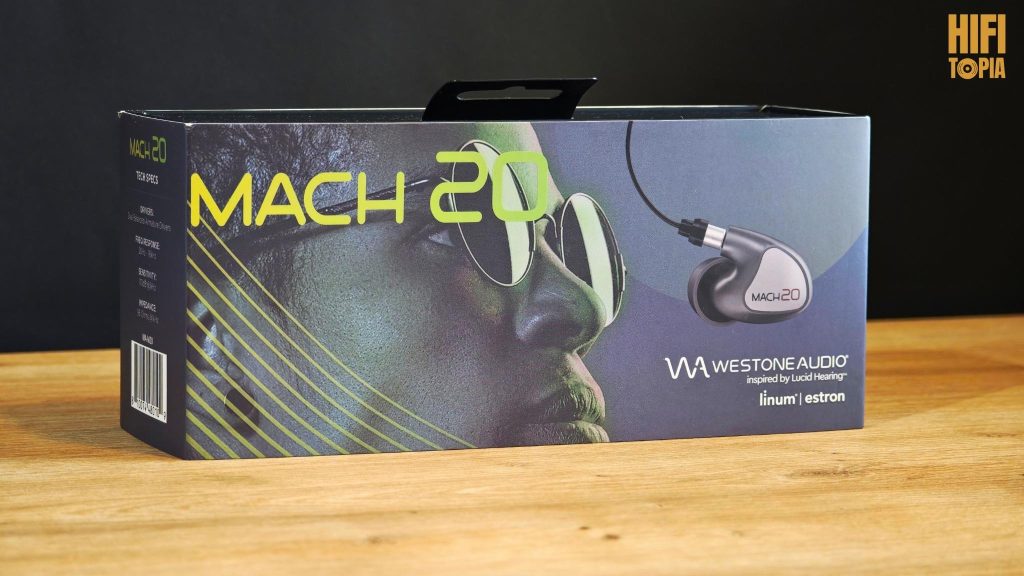
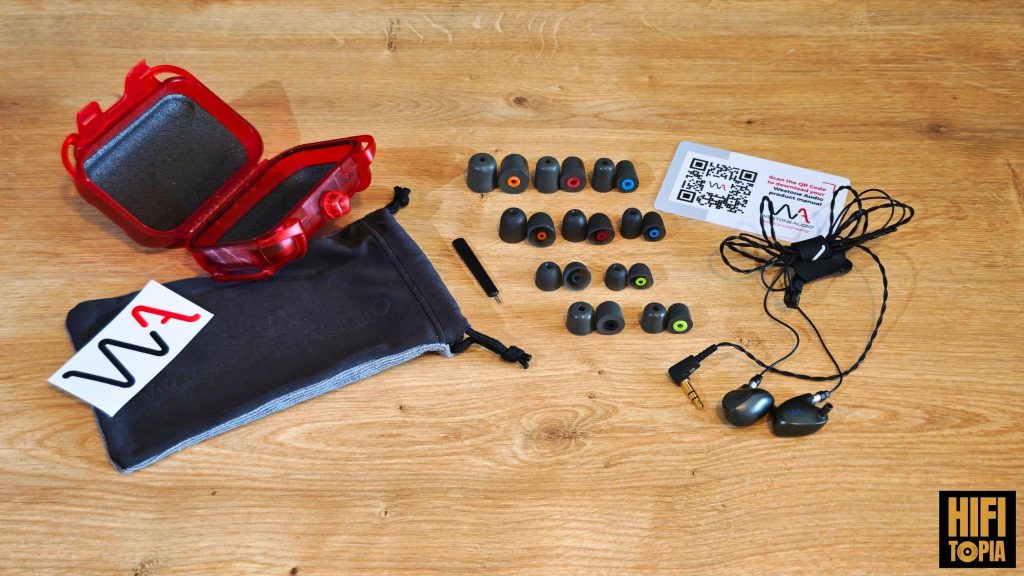
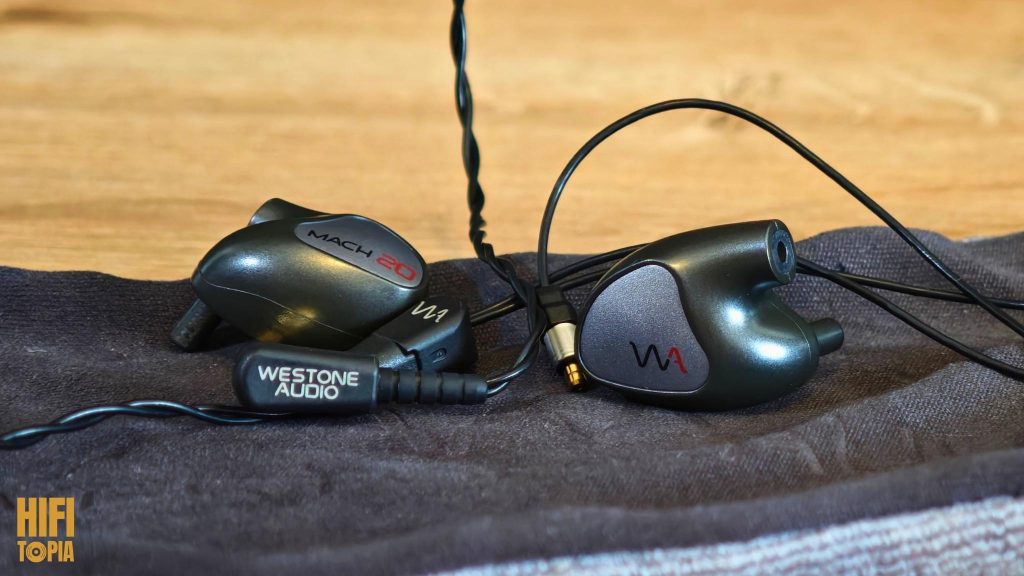
On the cable front, the collaboration with Linum stands out: the Linum Estron BaX T2 cable is used. As thin and light as a thread, this cable reduces friction noise (microphone effect) to zero. However, the cable’s thinness can cause it to tangle easily, and the proprietary T2 connector design limits cable replacement options for users of standard 2-pin/MMCX connectors. At first glance, it looks inexpensive, but despite its ultra-lightweight design, it actually offers excellent sound transmission. The IP67-certified, shock- and water-resistant Pelican Vault case included in the box, along with the selection of Star/True-Fit tips, meets true professional equipment standards. Overall, the contents of the box are both generous and high-quality, and I’d like to commend Westone for this.
Technology
The MACH 20 features an engineering design focused on simplicity, without getting caught up in marketing battles. Inside, two custom balanced armature drivers (1 Low/Mid + 1 High) are connected via a passive 2-way crossover network.
On the technical side, the 96 Ω impedance and 110 dB @ 1 mW sensitivity stand out. The high impedance of 96 ohms completely eliminates the issue of background noise (hissing) from powerful amplifiers or source devices. However, this means the headphones require an amplifier that delivers clean current rather than relying on the weak outputs of smartphones. Frankly, I don’t think this aligns with the focus on lightness and comfort, but from an engineering standpoint, everything is by the book.
Synergy
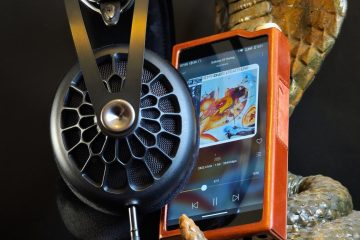
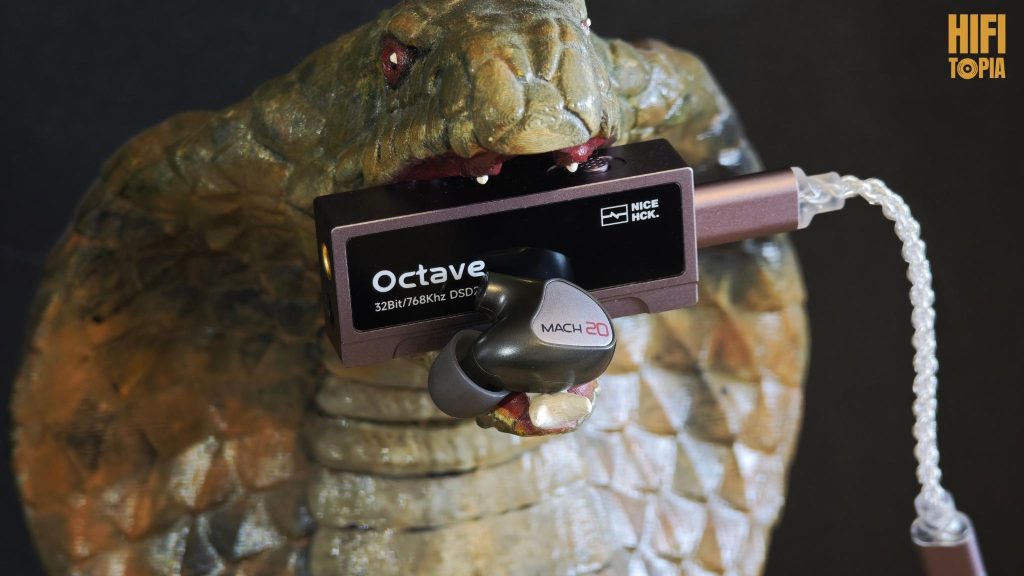
Westone Mach20 & iBasso DX260mkII
When putting this setup together, I wanted to get the best possible performance out of the Mach20 without breaking the bank. On the one hand, I didn’t want to use a dongle, and here’s why:
Although the 96-ohm impedance listed in the Westone MACH 20’s spec sheet might make it seem like an “easy-to-drive IEM” on paper, when connected to standard phone outputs or underpowered USB-C dongles, the headphones immediately become dynamically constrained; the bass sounds dry, and the soundstage is confined to a two-dimensional studio monitor. What the earphones need is not raw power, but the ability to control a clean, high-voltage output. This is precisely where the iBasso DX260 MKII comes in, offering one of the most balanced pairings that brings out the MACH 20’s full potential.
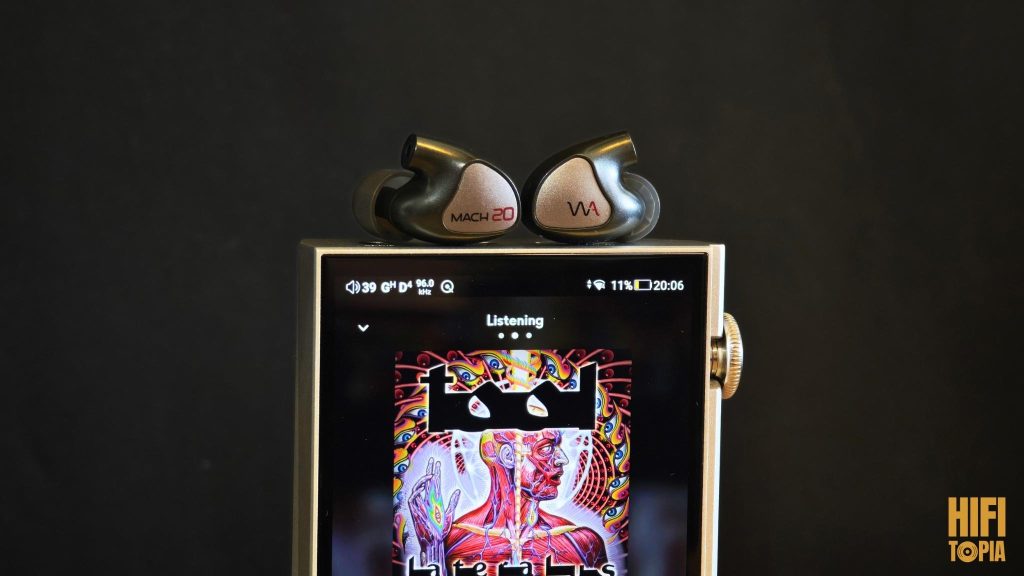
The organic and fluid resolution of the DX260 MKII’s eight CS43198 DACs provides exactly the lifeblood the MACH 20’s dual-armature sound, which can otherwise remain overly flat and dry, needs:
Midrange Fluidity: When combined with the DX260 MKII’s analog touch, the MACH 20’s neutral, colorless studio vocals gain a light, velvety, musical character without losing their surgical clarity. While that sense of thinness in male vocals is resolved, female vocals are never pushed to the point of straining.
Pitch-Black Background and Soundstage: When the MACH 20’s 96-ohm impedance meets the DX260 MKII’s ultra-low noise floor, the background remains literally “pitch-black”; it’s impossible to hear even the slightest bit of background noise or amplifier hiss. In addition, I think the DX260 MKII pushes the MACH 20 to its absolute technical limits. The level of detail achieved is quite good given the softness of the tone.
Sound
Listening sessions were conducted primarily with the Dx260 MK2 and RS8II.
Westone is also a company that manufactures monitors for studio and live performers. Naturally, they have a sound signature tailored to this purpose. The MACH 20 features a completely linear (flat) studio monitor character, directly rejecting the bass-heavy Harman or V-shaped entertainment profiles embraced by the modern Chi-Fi market. The headphones’ focus is clear: as much neutrality as possible, vocal fidelity, and an analytical transparency that doesn’t mask errors in the mix.
Bass
The physical limitations of the dual-balanced armature design are directly evident here. Sub-bass depth is somewhat attenuated below 40–50 Hz, meaning the deep vibrations and physical impact sought in electronic music or modern productions are presented with a slightly subdued sensation in these headphones. In contrast, the mid-bass is extremely agile, dry, and controlled. In acoustic drum and bass guitar passages, the driver’s transient response is flawless; there is absolutely no bleed from the lower frequencies into the midrange or any muddiness.
Mid
This is the core that defines the headphones’ entire character. The midrange is clear, direct, and positioned slightly forward. This slight forwardness is where the principle of neutrality is first compromised, because a certain amount of tonal coloration is what gives the sound its true character. The timbre of vocals and instruments meets reference studio standards; there’s no artificial body bloat in male vocals, nor any harshness in female vocals. Since the transition between 2–4 kHz is kept quite linear, the vocal performance ruthlessly highlights flaws in the mix, yet the vocals—despite being forward—remain unharsh and sound velvety. In other words, they aren’t harsh—they’re just up front. When it comes to instruments, the guitar, violin, and piano tones are extremely natural and well-balanced. The Mach20 delivers average performance when handling multiple instruments.
Treble
The high frequencies are designed with a clear “safe harbor” philosophy. Artificial peaks in the 6–8 kHz range that might sound grating or metallic have been avoided; cymbals sound clean and flawless. However, since the high-frequency extension beyond 10 kHz cuts off prematurely, the sense of airiness and the sparkle of micro-details are somewhat muted. The treble is perfect for long listening sessions without fatigue, but it’s too subdued to satisfy those seeking aggressive detail and brilliance at the very top end. This treble character initially made me skeptical, but the Mach20’s jazz performance was so good. The cymbal decay is full and accurate.
Technique
Passive noise isolation, especially when combined with the foam tips included in the box, almost completely cuts off the outside world. This makes it easy to hear the details without much effort. The soundstage isn’t massive; the sound is positioned within a compact, close-field studio monitor-like space that doesn’t extend beyond your head. Nevertheless, instrument separation, layering, and imaging are quite consistent—even in complex acoustic passages, it’s possible to pinpoint exactly where each instrument is located. Although I found the resolution and reproduction of microdetails to be average, the overall sense of depth, tonal accuracy, and layering ability are exceptionally good.
Last Words
Excellent isolation, a neutral sound signature, comfort, and a quiet background—all in exchange for a slightly muffled sound and a thin cable. The Westone Mach20 is a purpose-built IEM that will appeal to specific preferences. It has serious features that make it great, as well as some drawbacks. Whether or not to use these IEMs is a matter of personal preference, but one thing is certain: with its excellent packaging and overall value, the Mach20 is definitely a bargain at around $200. On the other hand, the $430 price tag is excessive.